China Condemns US Blockade of Iranian Ports as Tensions Rise in Strait of Hormuz
China criticized the US blockade of Iranian ports as dangerous, warning it could destabilize the ceasefire, while urging diplomacy as oil prices declined on hopes of a resolution
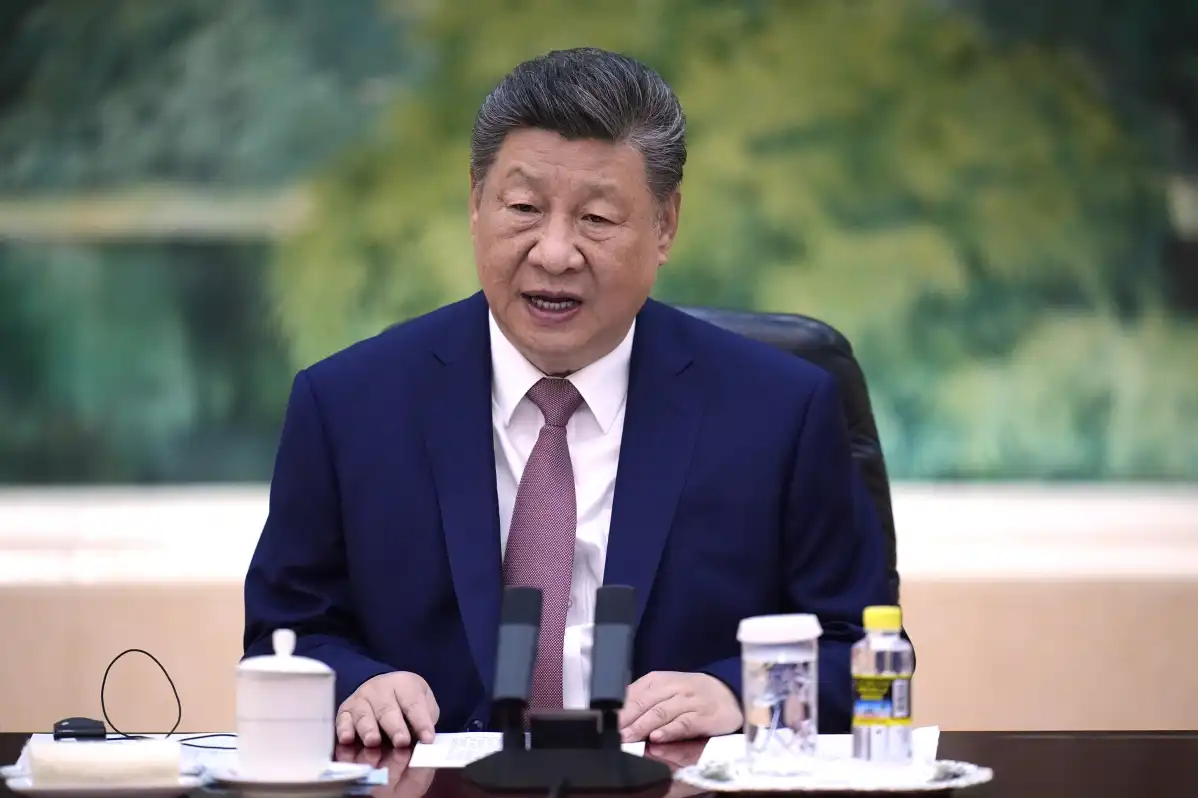
ERBIL (KURDISTAN 24) - China on Tuesday described the United States’ blockade of Iranian ports in the Strait of Hormuz as a “dangerous and irresponsible act,” warning it could further escalate tensions in the region.
The Chinese Ministry of Foreign Affairs said the blockade, which began at 10:00 a.m. ET on Monday, alongside increased US military deployments, risks destabilizing an already fragile ceasefire.
Foreign Ministry spokesman Guo Jiakun told a press conference that only a comprehensive ceasefire could help ease the situation, adding that Beijing would work to support efforts aimed at restoring peace and stability in the Middle East.
The United States began preventing ships from entering and leaving Iranian ports in the strategic waterway on Monday, in an effort to pressure Tehran to reopen the Strait after negotiations in Islamabad failed to reach an agreement over the weekend.
China, which maintains close ties with Iran, has a significant interest in the reopening of the Strait of Hormuz. As the largest buyer of Iranian crude, Beijing faces potential economic consequences from the disruption of maritime trade.
The blockade marks a sharp escalation in the conflict, despite a pause in hostilities that was agreed on April 7.
Guo also rejected reports suggesting that China had supplied weapons to Iran, describing such claims as “completely made up.”
“China believes that only by achieving a comprehensive ceasefire and ending the war can we fundamentally create conditions for easing the situation in the strait,” he said.
“China urges all parties to abide by the ceasefire arrangements, focus on the general direction of dialogue and peace talks, take practical actions to promote the easing of the regional situation, and restore normal traffic in the strait as soon as possible.”
Meanwhile, oil markets reacted to signs of potential diplomatic progress. Prices fell below $100 per barrel on Tuesday, with Brent crude declining about one percent in early trading to $98.44, while US West Texas Intermediate for May delivery dropped 2.6 percent to $96.48 per barrel.
The developments reflect growing international concern over the impact of the blockade on regional stability and global energy markets.