Iraq's Ruling Shiite Bloc Advances Badri for Iraqi Premier Amid Legislative Overhaul
Iraq’s Shiite Coordination Framework is poised to name Bassem Badri as the new prime minister in a power play by Nouri al-Maliki. The incoming leader inherits a fraught agenda: reviving mandatory military conscription and tackling a massive $500 million food-subsidy scandal.
ERBIL (Kurdistan24) - Inside the Baghdad residence of al-Hikma National Movement leader Ammar al-Hakim on Saturday, the Shiite Coordination Framework convened to finalize Iraq’s next prime minister, with internal voting momentum decisively shifting toward Bassem al-Badri. The anticipated nomination, engineered by former Prime Minister Nouri al-Maliki, signals a critical consolidation of factional power as the Iraqi parliament simultaneously prepares to tackle a revived military conscription mandate and deeply entrenched public sector corruption.
The Shiite Coordination Framework (SCF)’s summit is designed to resolve a protracted internal deadlock and announce a final candidate before the 15-day constitutional deadline expires.
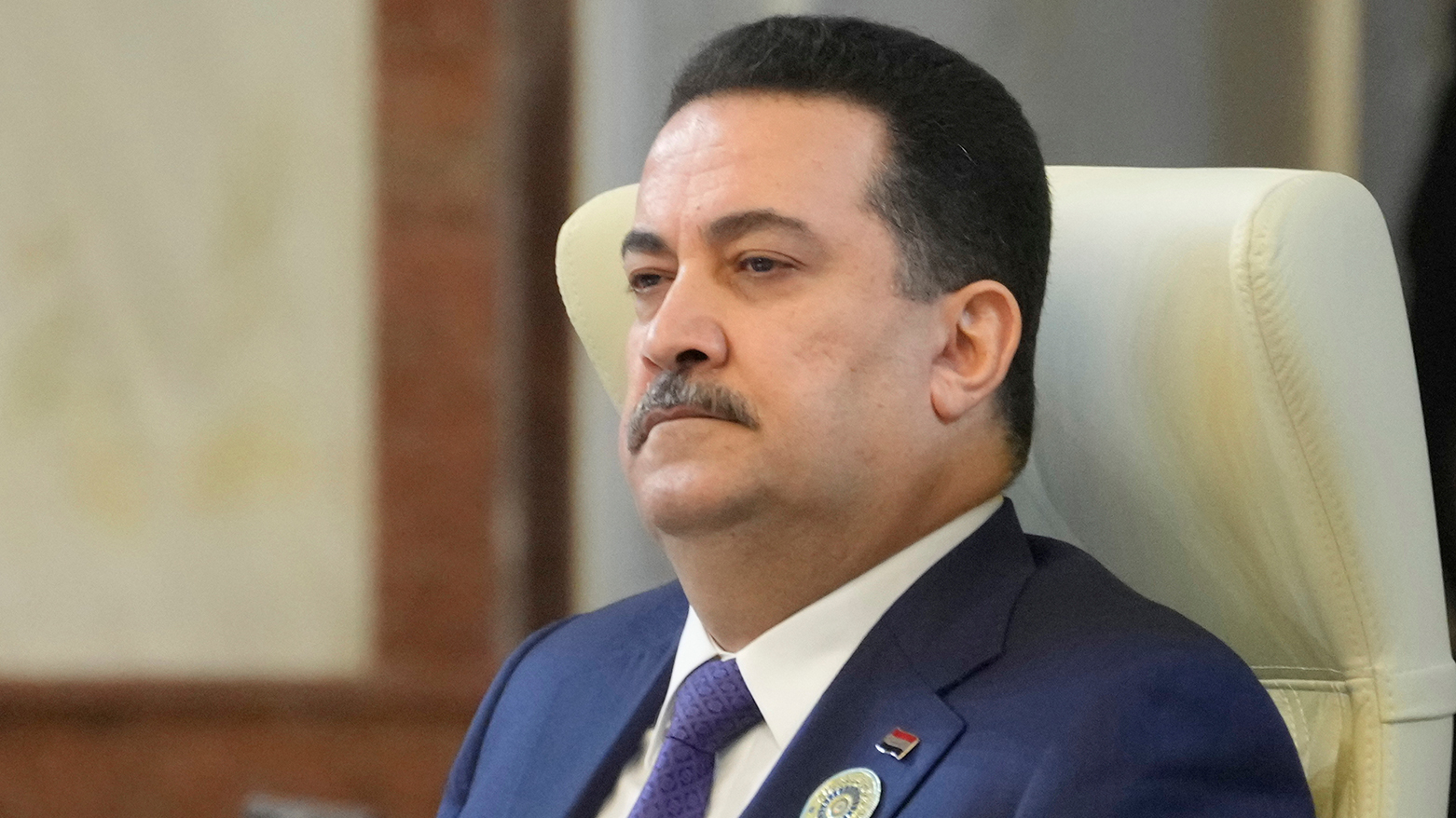
Following his withdrawal from direct candidacy, Maliki marshaled his political capital to back Badri, maneuvering to outflank the incumbent frontrunner, Mohammed Shia al-Sudani. According to Sanad Hamdani, a member of the al-Sadiqun Movement, the faction led by Qais al-Khazali has formally aligned with Maliki to support Badri’s ascension.
Hamdani disclosed that out of the 12 decisive votes within the SCF, Badri has currently secured seven, leaving Sudani with five. The alignment effectively untangles a political knot that had previously paralyzed the coalition, defined by sharp tripartite disagreements between Maliki, Sudani, and former Prime Minister Haider al-Abadi.
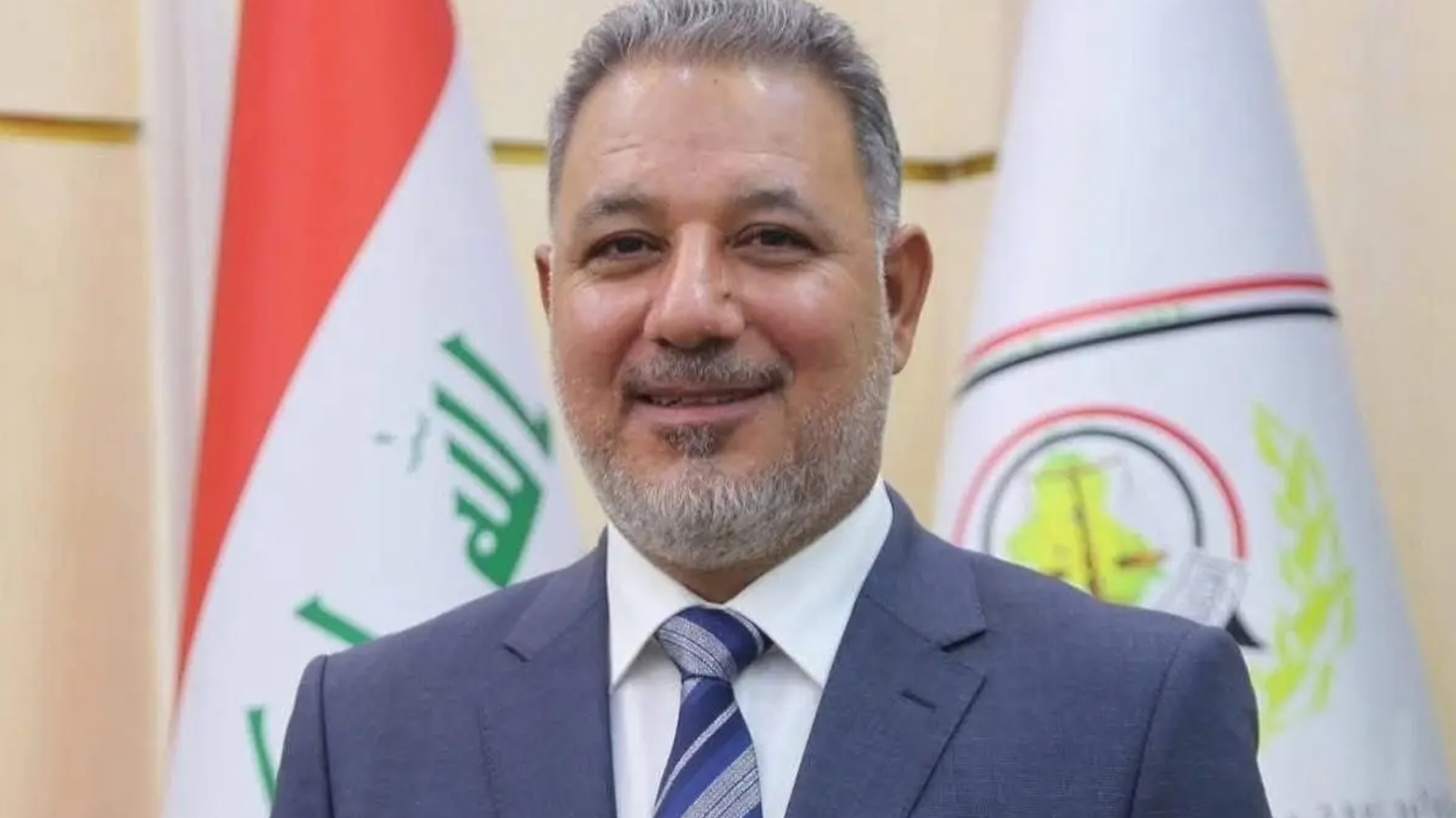
The Iraqi political drama deepened further when Baha al-Araji, head of al-Sudani's Coalition bloc in the Iraqi Parliament, stated that claims regarding the finalization of a candidate for the post of Iraq’s prime minister are "untrue."
Araji wrote on the X platform, "The claims being made regarding the finalization of a candidate for the post of Prime Minister are not true in any way."
He added, "These claims are being disseminated systematically and are full of misinformation by well-known agencies, which is evidence of the weakness of the opponents of [Mohammed Shia] al-Sudani’s agenda."
He further stressed, "We emphasize our national project, which is founded on a strong strategic path that counters doubt through a unified decision."
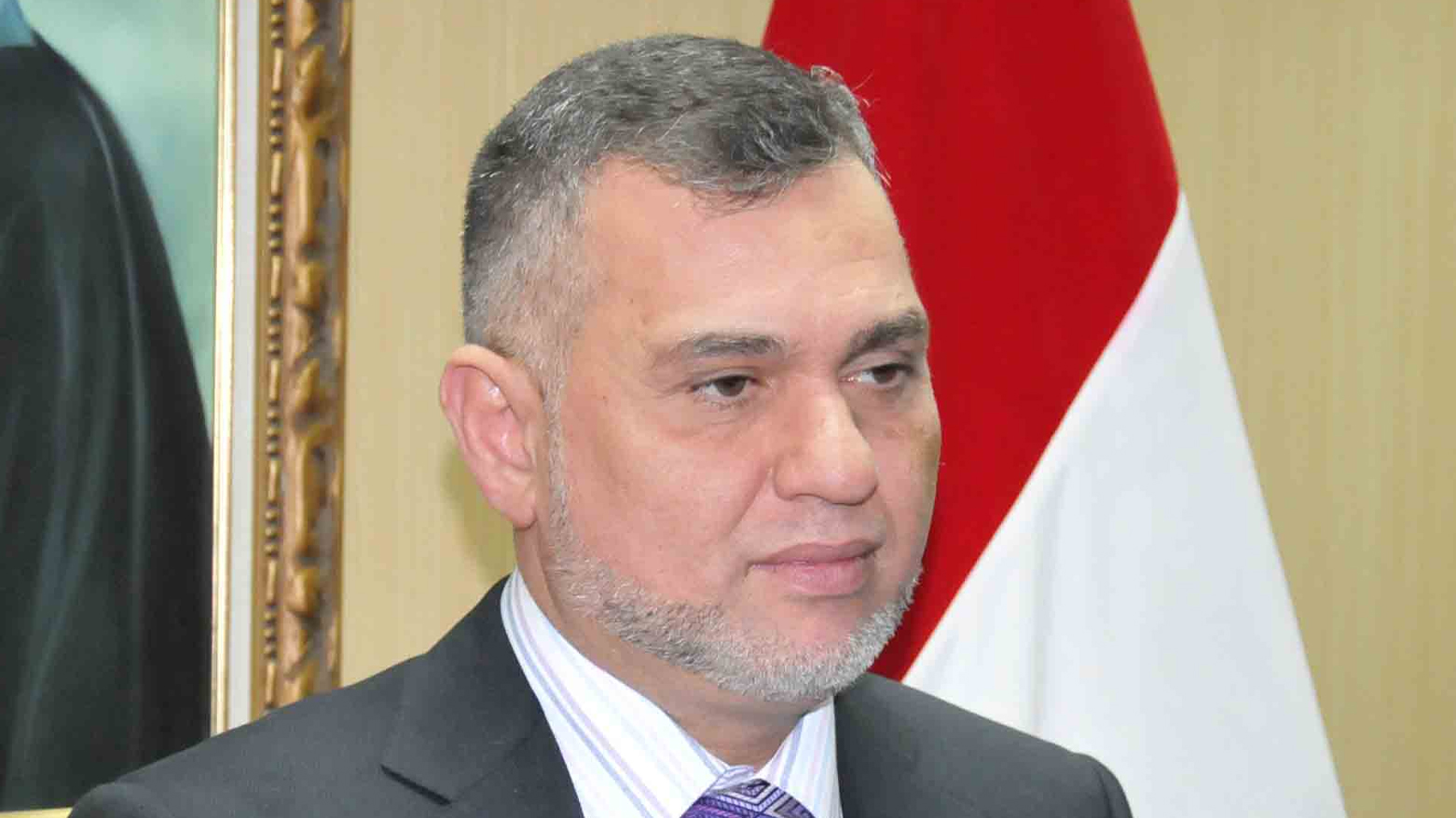
Meanwhile, Rahim al-Aboudi, a senior member of the Hikma Movement, outlined the latest developments within the Shiite political bloc and the Coordination Framework regarding the designation of a prime ministerial candidate in an interview with Kurdistan24.
On Saturday, Aboudi told Kurdistan24 that Shiite Coordination Framework leaders had convened at the residence of Ammar al-Hakim to finalize the name of the next candidate for Iraq’s prime minister. He noted that a list of nine individuals is under consideration and will be vetted through the framework’s internal process.
While Mohammed Shia al-Sudani and Bassem Badri remain the most prominent contenders, the possibility of a consensus candidate remains open.
In another part of his remarks, Aboudi indicated that the political process is facing significant external pressure, particularly from the United States, but stressed that national interests and the interests of the Iraqi people must take precedence.
Regarding the possibility of delaying the selection of a new prime minister, Aboudi said there is a “50 percent” chance the meeting could be postponed if parties fail to reach a final agreement, citing concerns about rushing into a decision that could negatively affect the country’s future.
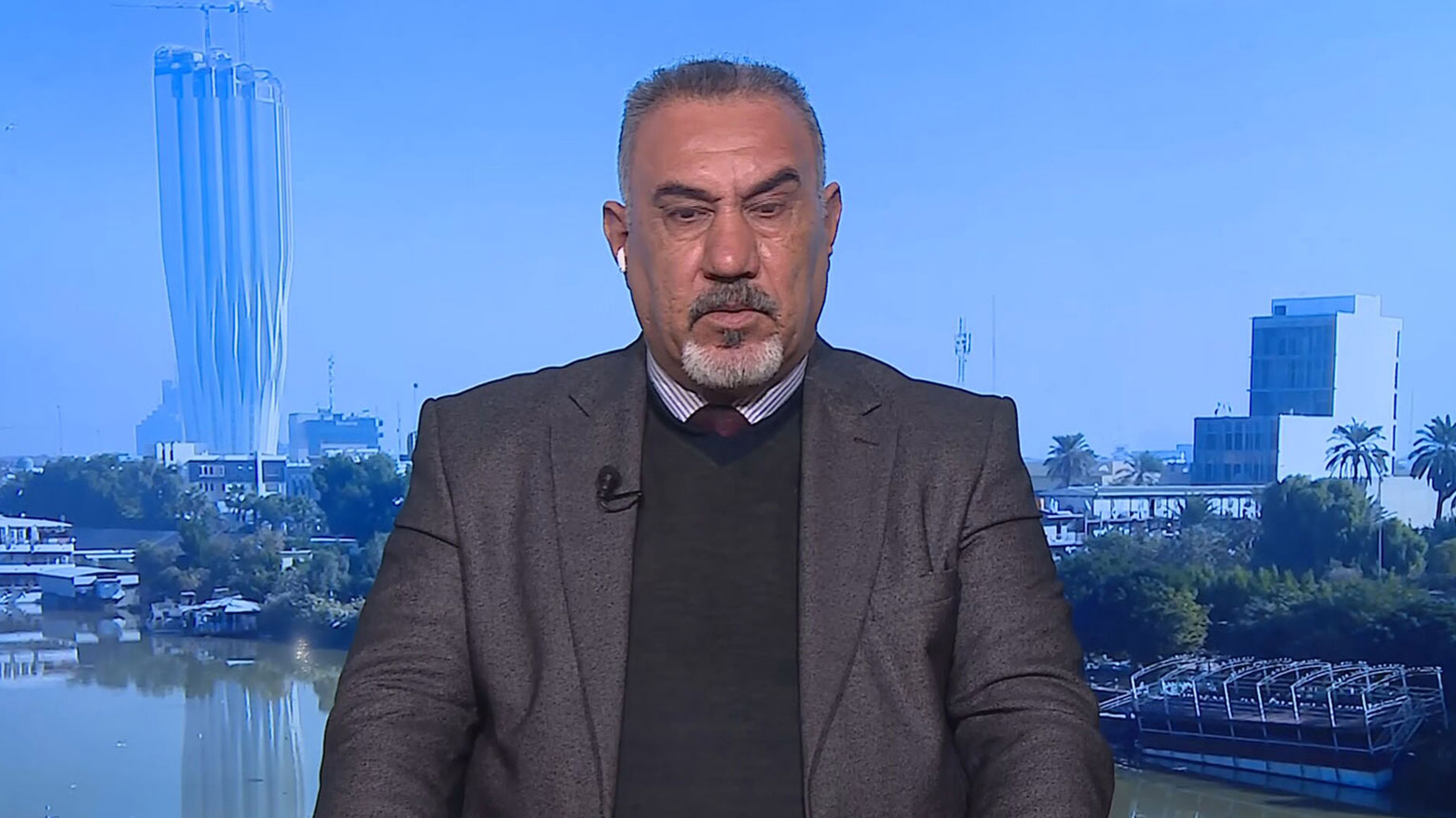
He also emphasized that the Hikma Movement supports the formation of a strong, service-oriented government capable of restoring stability while remaining removed from personal and partisan conflicts.
Whoever emerges from Hakim’s residence with the mandate will inherit a highly mobilized legislature preparing for an aggressive legislative sprint.
The Media Office of the Iraqi Parliament announced that lawmakers will hold four consecutive sessions beginning on the 19th of this month to conduct the first readings of eight separate bills. Chief among them is a 66-clause draft law mandating military service, prepared by the Security and Defense Committee.
The conscription initiative reflects a broader push by the legislature to project federal authority.
Last Wednesday, Speaker of the Parliament Haibat al-Halbousi met directly with the Iraqi Chief of Staff at the Ministry of Defense to coordinate support for the bill.
Halbousi categorized mandatory service as a strategic imperative to strengthen the army’s capabilities and organize a disciplined human resource base.
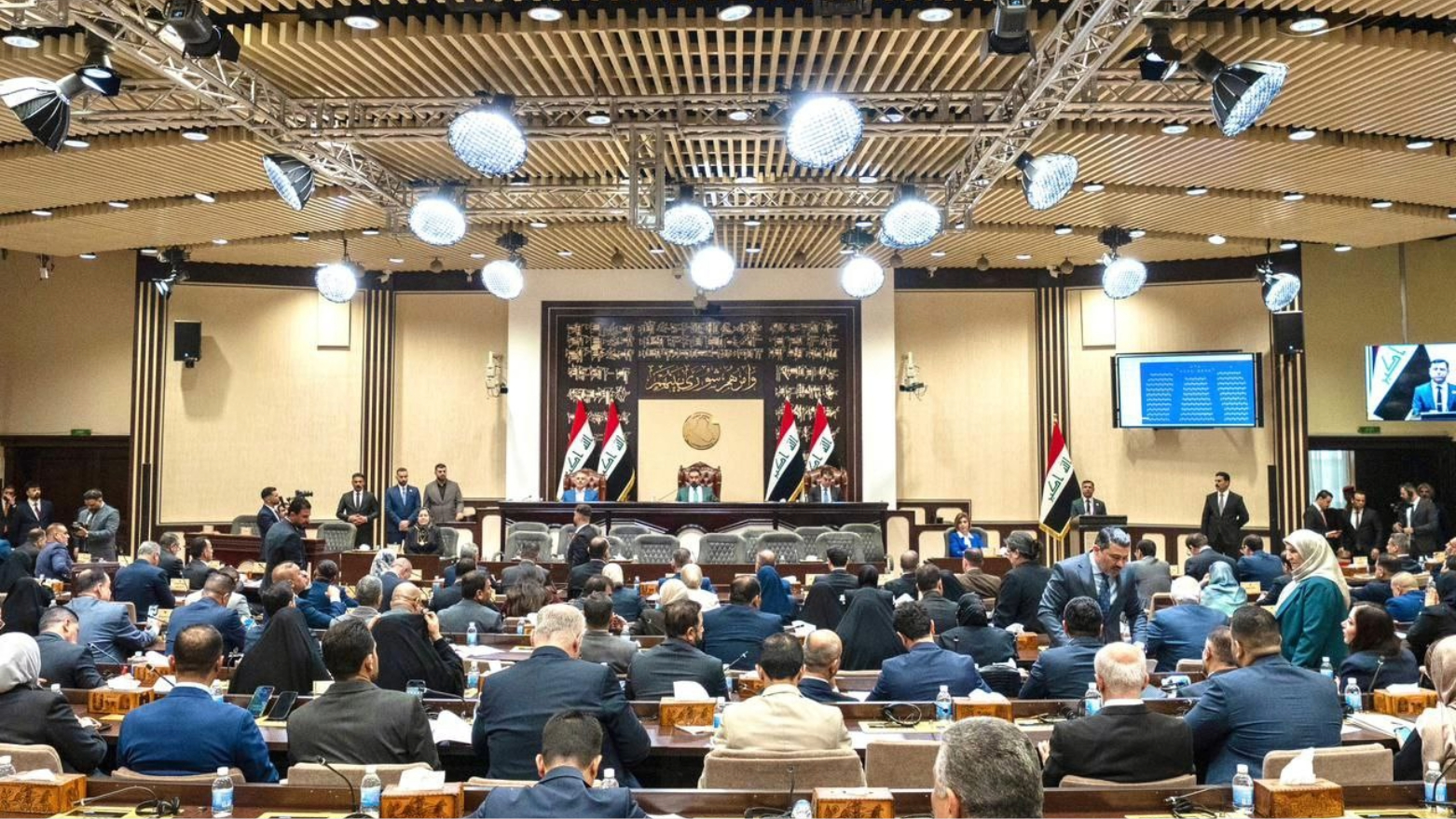
Mandatory conscription was systematically dismantled in 2003 by Paul Bremer, the American civilian administrator in Iraq, and previous attempts to revive the draft in 2021 collapsed under political fragmentation.
Beyond defense restructuring, the incoming executive will face immediate pressure to address systemic hemorrhaging in the state’s primary social safety net.
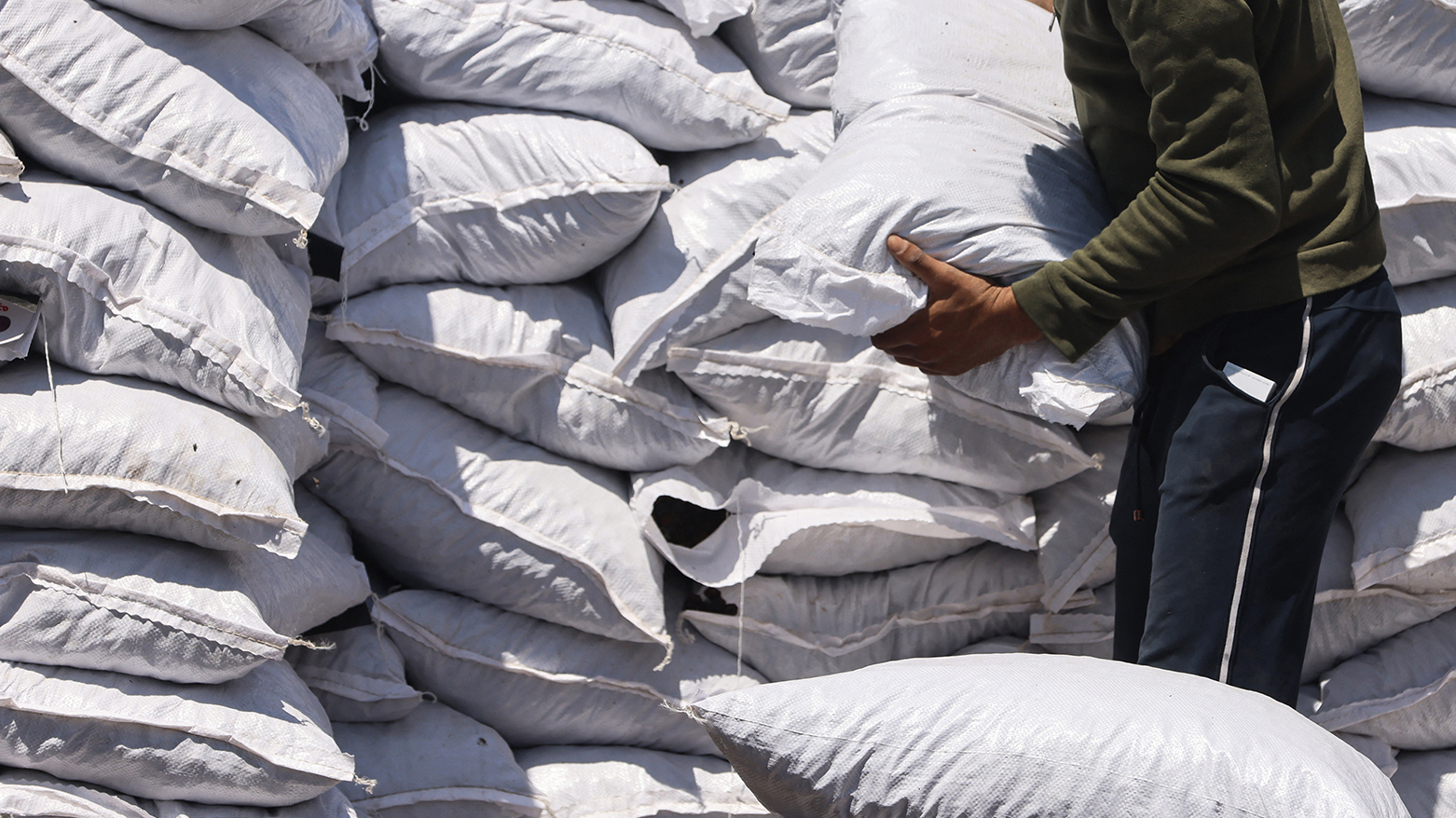
Iraq’s public food basket distribution program is currently the subject of widespread parliamentary and regulatory scrutiny following disclosures of massive financial leakage.
Government confirmations and parliamentary data indicate the presence of 4.4 million 'ghost names', including deceased individuals, expatriates, and duplicate entries, costing the federal treasury approximately $500 million annually.
Former Member of Parliament Amir Ma’mouri stated that the distribution of unauthorized rations over the five-year duration of the current contract has resulted in losses approaching 900 billion dinars. Integrity Committee member Hadi Salami provided a sharper metric, asserting that corruption within the food basket contracting process drains $151 million per month.
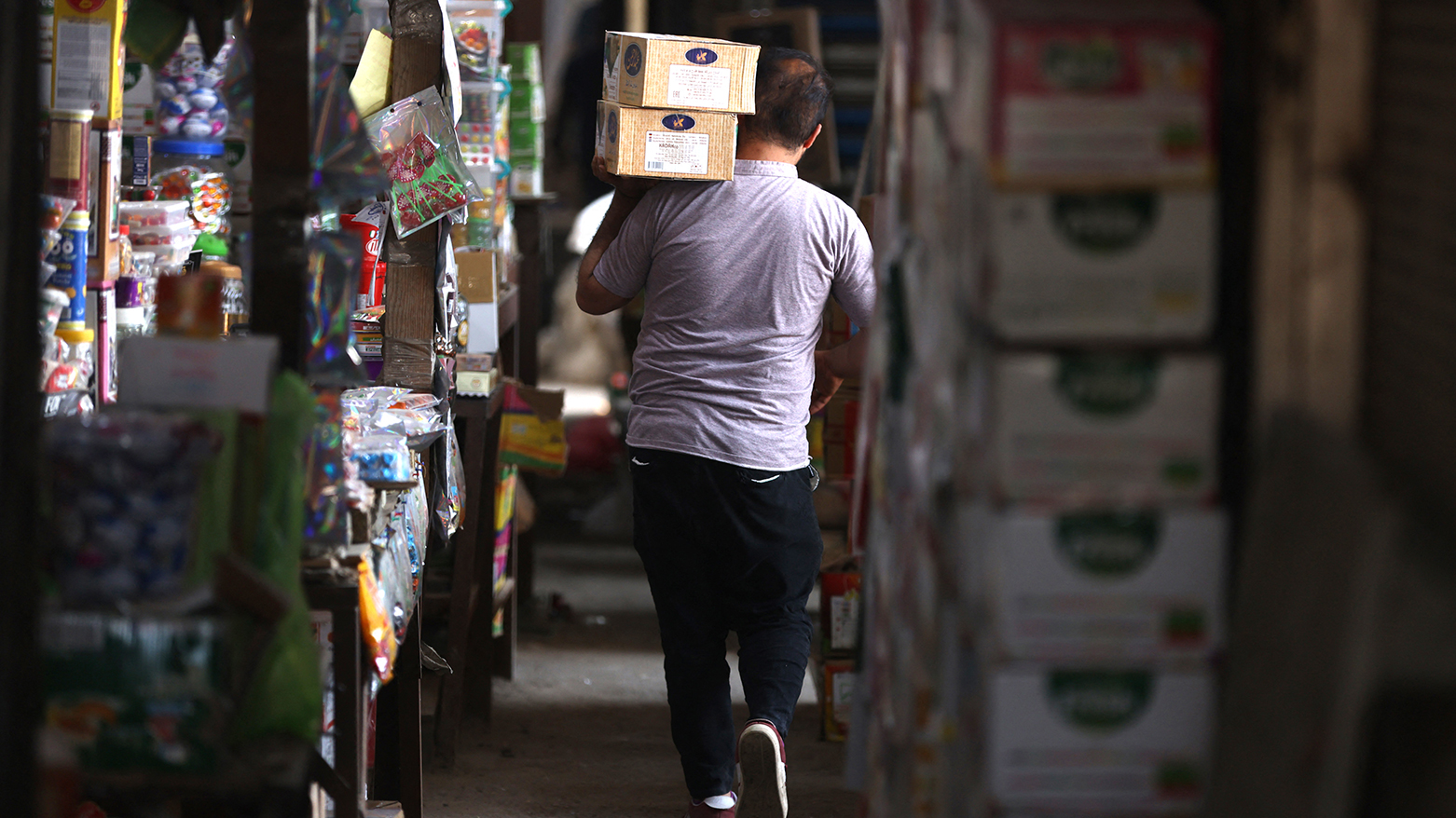
Furthermore, MP Saud Saadi identified a recurring procurement discrepancy, noting the government pays $9 for food baskets valued at an actual market cost of $6, generating a monthly state deficit of 500 billion dinars.
The Ministry of Trade has defended its management of the subsidy program, attributing logistical delays to global economic fluctuations.
Ministry spokesperson Mohammed Hanoun stated that the government is actively digitizing the distribution network, having updated the data of 38 million citizens to eliminate redundancies and curtail bureaucratic fraud.
However, economic experts like Karim Halou argue that an electronic registry is insufficient without stricter regulatory oversight to bypass entrenched intermediaries artificially inflating domestic prices for staples like oil and sugar.
The elevation of Bassem Badri over Mohammed Shia al-Sudani illustrates a calculated structural repositioning by Nouri al-Maliki, who is utilizing the SCF’s internal voting mechanics to maintain executive dominance by proxy.
Concurrently, the resurrection of mandatory military service and the exposure of massive subsidy fraud underscore an Iraqi state attempting to project sovereign institutional authority while simultaneously struggling to contain systemic administrative decay.
By aligning with the Sadiqun Movement, Maliki ensures that the incoming premier will govern through a consolidated Shia bloc, though this executive mandate will immediately be tested by a parliament demanding high-friction reforms in both defense and public welfare.
Whether Badri formally secures the nomination rests on the Shiite Coordination Framework’s ability to maintain its fragile seven-vote majority through the close of Saturday's summit.
Should the consensus hold, the new prime minister will be thrust immediately into next week’s four-day parliamentary marathon, forced to navigate the financial realities of an inherited bureaucracy while managing a deeply contested military draft.
Actor Map & Factional Alignments
Nouri al-Maliki and the State of Law Front: Withdrew direct candidacy to consolidate support behind Bassem Badri, utilizing proxy power to secure the premiership.
Sadiqun Movement (Qais al-Khazali): Formally aligned with Maliki’s bloc, providing the critical votes to give Badri a 7-5 advantage over Sudani.
Mohammed Shia al-Sudani: Holding five votes within the Framework, currently marginalized by the Maliki-Khazali alignment.
Ammar al-Hakim: Leader of the Hikma National Movement, functioning as the host and institutional facilitator of the Coordination Framework’s decisive summit.
Haibat al-Halbousi: Speaker of Parliament, operating independently of the PM selection to drive the legislative resurrection of the military conscription draft.
This article was updated on Saturday, Apr. 18, 2026 at 02:16pm. Statements from Bahaa al-Araji and Rahim al-Aboudi were added.