Iran Declares “New Mechanism” Governing Strait of Hormuz amid Rising Tensions
Iran announced a “new mechanism” for the Strait of Hormuz, but details remain unclear, as repeated closures and disputes with the US continue to shape maritime access.
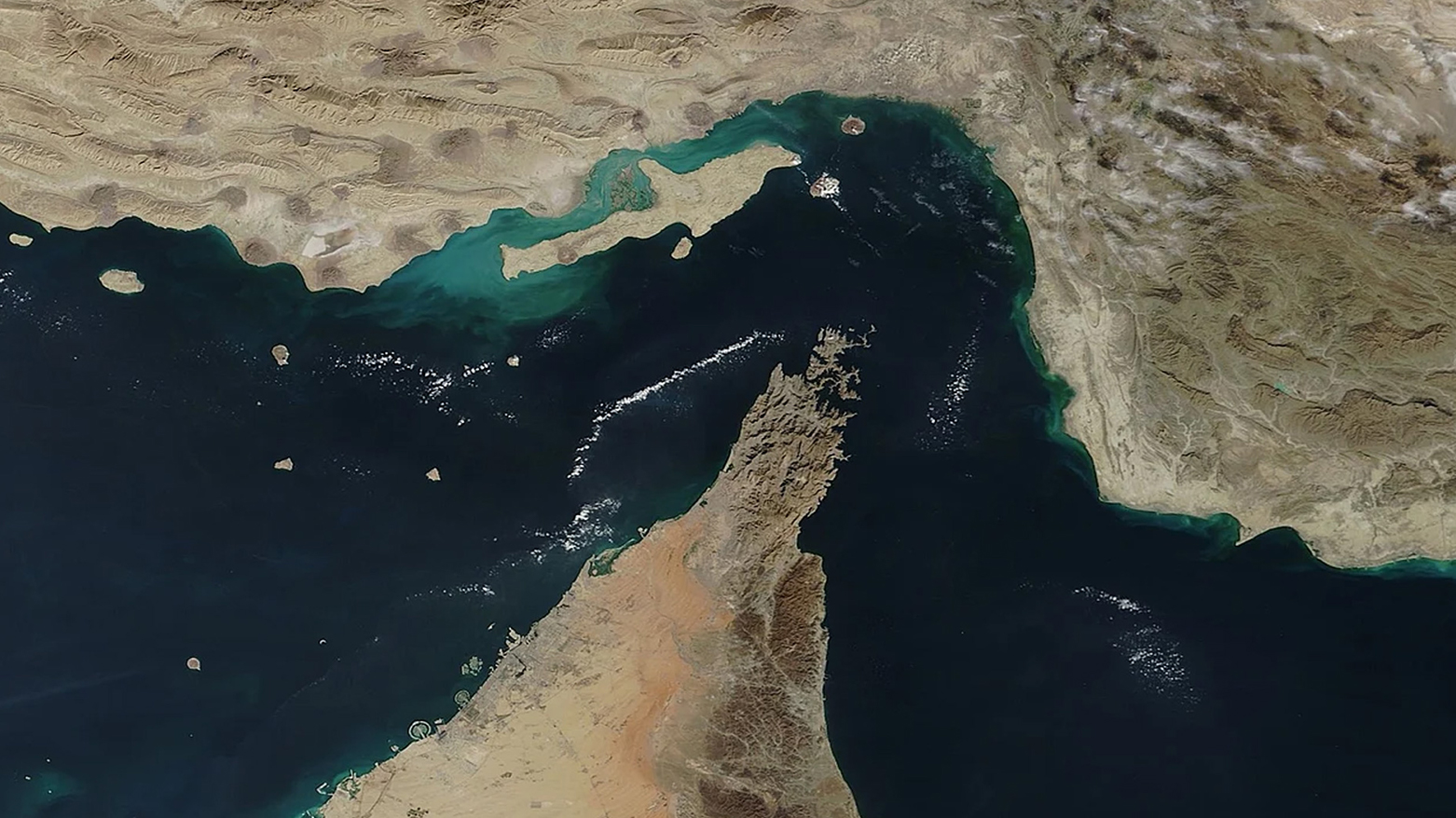
ERBIL (Kurdistan 24) - Iranian officials announced the implementation of what they described as a “new mechanism” governing the Strait of Hormuz, signaling a shift in how security and maritime access are managed in one of the world’s most critical shipping routes.
Ali Akbar Velayati, senior adviser to Iran’s Supreme Leader, said Sunday, “The era of imposing security from beyond the seas has come to an end.”
The statement was reinforced by remarks carried by the IRNA news agency, citing an official from the Iranian presidency: “A new mechanism is now governing the Strait of Hormuz, and it was necessary for concerned countries to recognize this reality earlier.”
At the same time, the aerospace division of Iran’s Islamic Revolutionary Guard Corps said the pace of restoring and preparing missile launch platforms and unmanned aerial systems has increased beyond pre-war levels.
Earlier, a spokesperson for Iran’s Khatam al-Anbiya central headquarters said the strait would be reopened under conditions similar to recent military arrangements, while stressing that it remains under strict control and monitoring by Iranian armed forces.
The official added that the continuation of maritime access is tied to what Iran described as the United States’ commitment to guaranteeing freedom of navigation for vessels entering and leaving Iranian waters.
However, Iranian officials have not provided detailed information about the structure or mechanisms of the so-called “new mechanism.” Its scope and operational framework remain unclear, with no specifics disclosed so far, leaving its practical implications undefined.
The announcement comes after repeated cycles of closure and reopening of the Strait of Hormuz during the ongoing conflict.
The waterway was effectively closed following US and Israeli strikes on Iran on Feb. 28, as Tehran moved to restrict passage through the strategic corridor. In response, the United States imposed a blockade on Iranian ports, aiming to pressure Iran to reopen the strait and return to negotiations.
During a subsequent 10-day ceasefire, Iran announced a temporary reopening of the strait for commercial vessels, linking the move to broader regional de-escalation efforts. However, disputes over the terms of maritime access and accusations of violations led to renewed restrictions, with Iranian officials warning that unauthorized passage could be treated as hostile action.
Efforts to stabilize the situation have involved ongoing diplomatic contacts, including attempts to restart negotiations and mediation efforts led by regional actors. Despite these efforts, disagreements over conditions — including the US blockade and guarantees for shipping — have contributed to repeated disruptions in maritime traffic.
The evolving situation reflects a pattern in which military pressure, ceasefire arrangements, and diplomatic negotiations have directly influenced the operational status of the Strait of Hormuz.
Iran’s latest declaration of a “new mechanism” underscores its intention to assert tighter control over the waterway, even as the lack of clarity around its details raises questions about how it will be implemented in practice.