Kirkuk Taxi Drivers Protest Fuel Shortages Amid Prolonged LPG Disruption
Kirkuk taxi drivers protested fuel shortages, citing 20 days without LPG, as concerns grow over governance and service delivery in the province
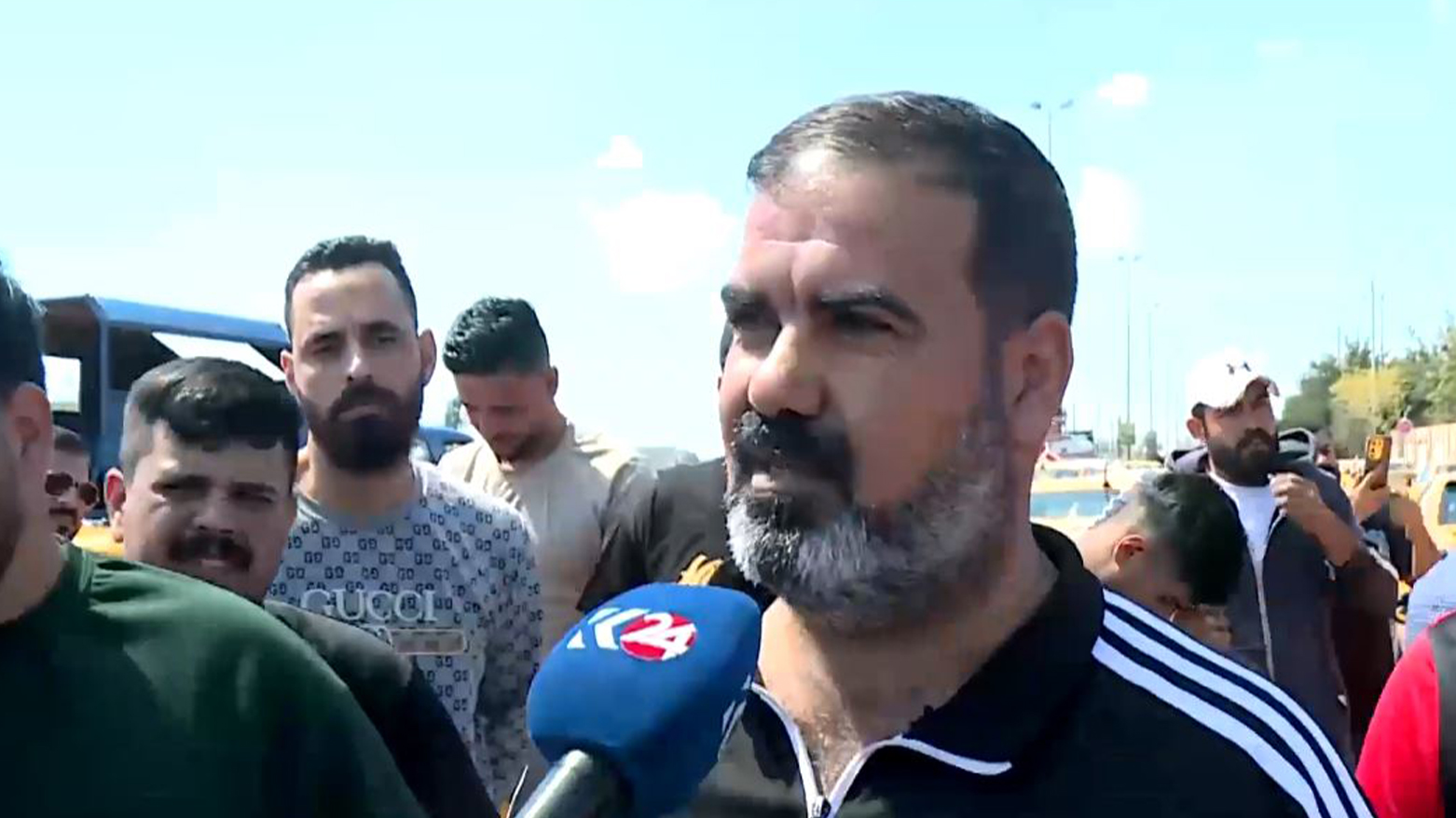
ERBIL (Kurdistan 24) — Taxi drivers in Kirkuk staged a protest on Wednesday, over continued shortages of liquefied petroleum gas (LPG) and limited gasoline supplies, warning of mounting pressure on their livelihoods.
Drivers said government-run stations have not distributed gas for more than 20 days, forcing them to rely on insufficient gasoline allocations and limited supplies from private stations.
One protesting driver told Kurdistan 24: “We haven’t received gas for 20 days. Private stations have been distributing gas for the past two days, but why isn’t the government doing the same? Gas is available in other provinces, but not in Kirkuk. We were encouraged to convert our vehicles to run on gas, and now there is none. This crisis has lasted 20 days, and we are still waiting.”
Another driver questioned the disparity in supply, saying: “Gas is available at private stations but not at government ones—so where is it coming from? It’s available in places like Pirde sudistrict in northern Kikruk and elsewhere, but gasoline is also insufficient. The 35 liters we receive don't last 24 hours. We just want our fair share of gas.”
Protesters said the shortage has forced them to rely heavily on gasoline, which they say is also rationed below daily needs.
“There is no gas, and the 35 to 50 liters of gasoline we receive are not enough. We demand that gas be provided,” a third driver said.
Another participant highlighted the mismatch between consumption and allocation: “Our gasoline quota is insufficient. Some drivers consume 50 to 60 liters daily, but we only receive 35 liters. Previously, when gas was available, we had no issues.”
He added: “Now, Kirkuk’s gas is being sent to the south. We call for stations like ‘Mantujat’ and ‘Jabal Bor’ to operate 24 hours a day to resolve this crisis.”
The protest comes amid broader political and administrative developments in Kirkuk, where a Turkmen figure recently assumed the position of governor, marking a shift in local leadership dynamics. The timing has added to public scrutiny over service delivery and governance in the province.
Drivers and residents say the ongoing fuel shortages reflect a wider pattern of neglect, with complaints that the Iraqi government has not adequately addressed Kirkuk’s needs despite persistent disruptions affecting daily life and economic activity.