EU Foreign Policy Chief Urges Broader Negotiations on Missiles and Hybrid Threats in Iran Talks
Kaja Kallas warned that excluding nuclear experts from Iran talks could produce a weaker deal and a “more dangerous Iran,” urging broader negotiations addressing missiles, regional influence, and cyber threats.
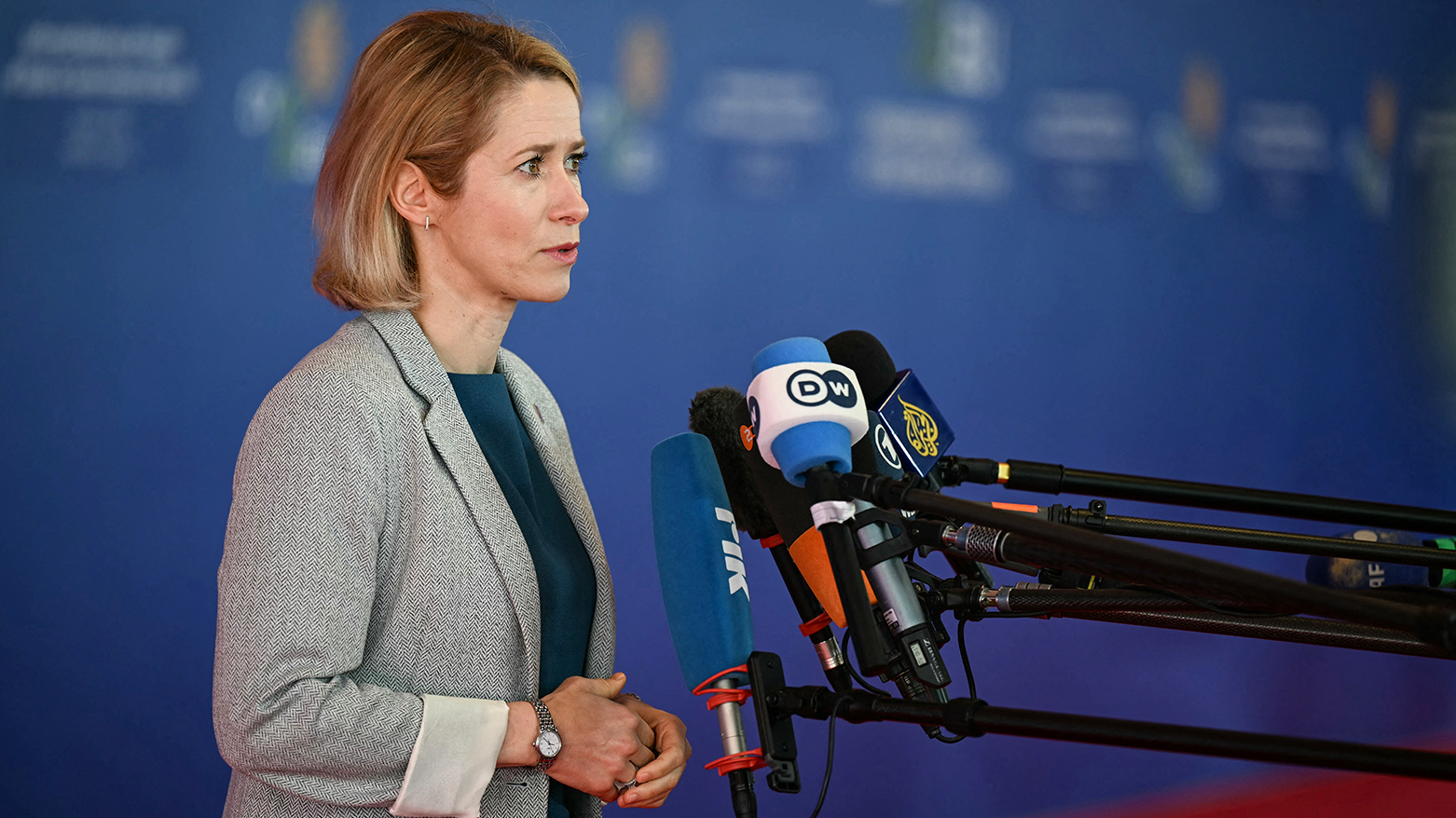
ERBIL (Kurdistan24) - At the margins of an informal summit of EU leaders in Cyprus on Friday, Kaja Kallas issued a stark warning over the direction of ongoing negotiations with Tehran, stressing that any deal lacking technical nuclear expertise could ultimately backfire.
Speaking to Reuters, Kallas emphasized that the participation of nuclear experts is “absolutely necessary” in talks with Iran.
She cautioned that limiting discussions to a narrow nuclear framework without expert input could result in a significantly weaker agreement than the 2015 nuclear deal.
“If negotiations are reduced solely to the nuclear file and experts are not at the table, the result will be an agreement far weaker than the 2015 deal,” she said.
Kallas underlined that the risks go beyond the nuclear issue itself, arguing that a limited approach would fail to address broader security concerns tied to Iran’s regional and technological activities.
Broader concerns beyond nuclear file
The EU official stressed that multiple sensitive issues must be addressed simultaneously to ensure any agreement is sustainable and effective.
These include Iran’s missile program, its support for armed groups across the region, and what she described as “hybrid activities” and cyberattacks targeting Europe.
She warned that ignoring these elements could have serious long-term consequences.
“If these challenges are not addressed, we will ultimately face a much more dangerous Iran,” Kallas said.
Her remarks come as US President Donald Trump continues to criticize the 2015 Joint Comprehensive Plan of Action (JCPOA), signaling a different approach in current negotiations with Tehran.
On April 20, 2026, Trump said a new agreement under his administration would be “far better” than the previous deal negotiated under former presidents Barack Obama and Joe Biden.
He described the earlier agreement as “one of the worst and most embarrassing deals in US history.”
Kallas’s warning also aligns with broader European concerns over escalating tensions in the Middle East. Earlier on Friday, French President Emmanuel Macron called for the urgent restoration of stability in the region, stressing that it is in the interest of the global economy and international security.
The convergence of diplomatic caution and geopolitical pressure highlights the fragile state of current negotiations, where the stakes extend far beyond nuclear capabilities alone.
As talks continue, Kallas’s message underscores a central dilemma: whether a narrower, faster deal is worth the risk of creating deeper instability in the long term.