China Pulled Deeper into Iran Talks as US Negotiations Stall
Iran is pushing for a greater Chinese role in negotiations as U.S.-Iran talks stall, with key statements made in late April.
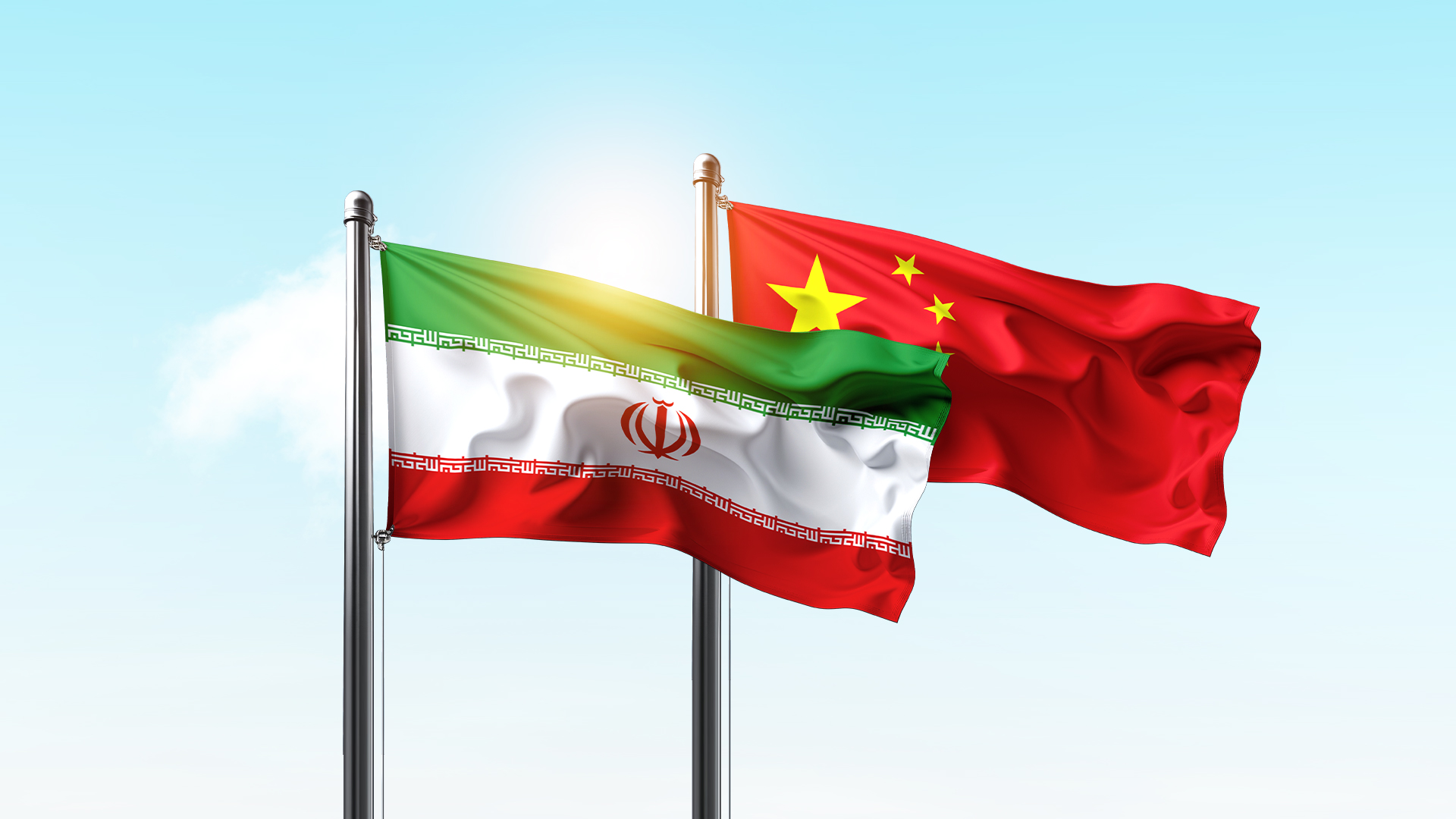
ERBIL (Kurdistan 24) — Iran is seeking a greater role for China in brokering a nuclear deal to end the war with the United States, as talks between Washington and Tehran remain stalled, according to a report by Newsweek on Monday.
Despite a ceasefire in a war that has shaken the global economy due to its impact on Middle East oil exports, negotiations between the U.S. and Iran have failed to progress, with both sides maintaining maximalist demands since the war began on February 28.
President Donald Trump, speaking earlier this month (mid-April), said the U.S. was working with China to bring Iran to the negotiating table, stating: “We are working together smartly and very well!”
China, meanwhile, played a behind-the-scenes role in securing the ceasefire earlier in April 2026, boosting its diplomatic standing amid its long-term rivalry with the United States.
Mohamed Amersi, head of the Amersi Foundation, speaking at a conference hosted by the Beijing-based Center for China and Globalization (CCG) over the weekend (April 25–26), said Iran is under economic pressure and is actively seeking a larger Chinese role.
“One hundred percent, absolutely, the Iranians want China,” Amersi said, adding that Tehran believes Beijing should take a more active role in mediating between Iran and the United States.
At the same conference, Amersi outlined a potential framework in which China could take custody of Iran’s highly enriched uranium — a step that could help reduce nuclear tensions.
He said China could also underwrite a new nuclear agreement and condition economic investment on de-escalation measures by Iran.
Henry Huiyao Wang, founder of the Center for China and Globalization, speaking to Newsweek in comments published on April 26, said China is well positioned to act as a mediator.
“If there’s a desire on both sides to calm down…the U.S. wants to calm down and Iran also wants to calm down—that’s probably very easy for China really to be a third party,” he said.
At the same time, other analysts in Beijing expressed caution. Shou Huisheng, speaking to Newsweek (April 26), said China would be careful not to jeopardize its relations with the United States.
“The major priority for China is to deal with the U.S. and to make sure the two countries will not have a big problem,” he said.
Da Wei, director of the Center for International Security and Strategy at Tsinghua University, said in comments published on April 26, that the prolonged conflict may weaken Washington’s global position.
“My view is the Trump administration kind of weakened their own international position in the war,” he said.
The Iran war has reshaped global geopolitical dynamics, drawing in major powers including China. While Beijing has denied providing military support to Tehran, it remains a key economic partner, particularly in energy trade. The conflict has also influenced U.S.-China relations, with both sides navigating competition and cooperation simultaneously. Planned meetings between President Trump and Chinese President Xi Jinping in May 2026 are expected to further address the implications of the war, alongside broader issues such as trade, Taiwan, and global security.
As U.S.-Iran talks remain stalled, China’s potential role as a mediator is gaining attention, though its involvement will likely be shaped by broader strategic considerations and its relationship with Washington.