Rubio Highlights Iran’s Regional Network & Nuclear Ambitions as key Issues
Rubio said Iran’s influence in Iraq and Syria, internal divisions, and nuclear ambitions are key obstacles to negotiations, despite ongoing diplomatic efforts.
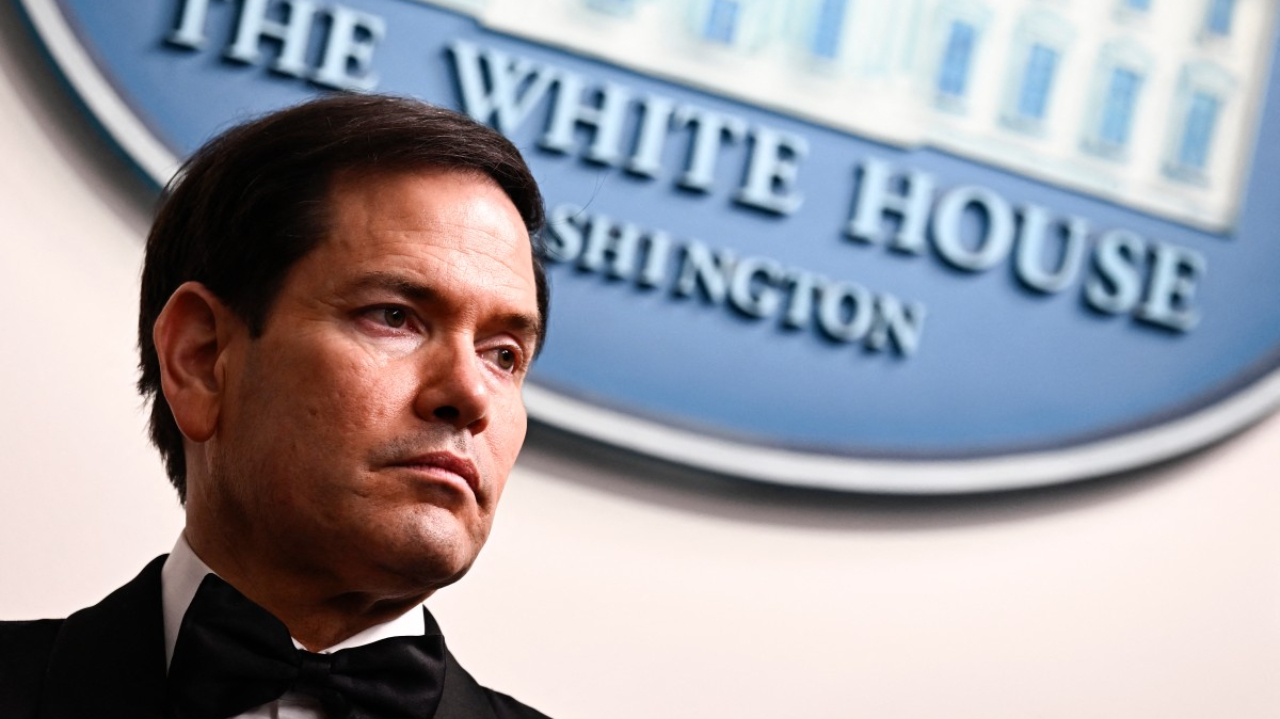
ERBIL (Kurdistan24) - U.S. Secretary of State Marco Rubio, in an interview with Fox News on Monday, outlined Washington’s concerns over Iran’s regional role, internal political structure, and nuclear ambitions, warning that these factors continue to complicate efforts to reach a lasting agreement with Tehran.
Secretary of State said the current ceasefire remains fragile and stressed that the United States is maintaining a high level of vigilance.
“We have a ceasefire right now… we’re vigilant about it,” he said, noting that threats linked to Iran extend beyond direct military confrontation.
He warned that the Iranian system itself presents a major obstacle to negotiations, describing it as fragmented and difficult to engage with effectively.
“Our negotiators aren’t just negotiating with Iranians… those Iranians then have to negotiate with other Iranians,” Rubio said, highlighting internal divisions between political leaders and more hardline ideological factions.
Rubio added that these internal dynamics make it unclear whether Iranian negotiators have the authority to commit to agreements, complicating diplomatic progress.
“The country’s run by radical Shia clerics that’s a pretty big impediment,” he said, adding that tensions between competing factions within Iran’s leadership further slow decision-making.
Iran’s regional role: Iraq and Syria
A central part of Rubio’s warning focused on Iran’s influence across the Middle East, particularly through proxy networks operating in Iraq and Syria.
“They seek to expand and export their revolution… that’s why they supported the militias in Iraq,” Rubio said, linking Tehran’s strategy to its backing of armed groups across the region.
He emphasized that Iran’s activities are not limited to national defense but are aimed at broader regional dominance.
“They don’t just seek to dominate Iran, they seek to dominate the region,” he said, pointing to Iran’s involvement in conflicts beyond its borders.
Rubio warned that this network becomes significantly more dangerous when combined with Iran’s nuclear ambitions.
“Imagine that with a nuclear weapon… they would hold the whole region hostage,” he said, arguing that Tehran’s current capabilities already allow it to exert pressure through conventional means.
Strait of Hormuz and Economic Pressure
Rubio also addressed tensions in the Strait of Hormuz, describing Iran’s actions as an attempt to leverage global energy flows.
“The straits is basically the equivalent of an economic nuclear weapon that they’re trying to use against the world,” he said, warning against any normalization of Iranian control over international waterways.
He stressed that any proposal by Iran to reopen the strait must ensure full freedom of navigation, without restrictions or financial demands imposed by Tehran.
“If what they mean by opening the straits is that you need permission or you pay us, that’s not opening the straits,” he added.
Stalled diplomacy and Pakistan talks
Rubio’s remarks come amid stalled diplomatic efforts between Washington and Tehran. A first round of direct talks took place in Islamabad in mid-April 2026 following a temporary ceasefire in the war involving the United States, Israel, and Iran.
The talks marked a rare instance of direct engagement after years of indirect communication. However, they failed to produce a breakthrough.
A planned second round of negotiations was disrupted after U.S. President Donald Trump canceled a scheduled visit by senior envoys to Pakistan, signaling dissatisfaction with Iran’s initial proposals.
Rubio acknowledged that Iran has since submitted revised offers but said key questions remain.
“‘Better’… absolutely. It’s better than what we thought they were going to submit,” he said, while cautioning that it is unclear whether the proposals reflect the position of Iran’s ultimate decision-makers.
He suggested that Iran may be attempting to buy time rather than reach a definitive agreement.
“I think the Iranians are serious about getting themselves out of the mess that they’re in, but we can’t let them get away with it,” Rubio said.
Rubio’s interview underscores Washington’s position that Iran’s regional activities combined with internal political fragmentation and nuclear ambitions, remain central obstacles to any lasting agreement.
His remarks also reflect broader uncertainty surrounding diplomatic efforts, as negotiations remain stalled and tensions continue across multiple fronts in the region.
Iranian officials have not directly responded to Rubio’s latest remarks. However, Tehran has consistently rejected U.S. accusations regarding its regional role, emphasizing sovereignty and warning against what it describes as external pressure and interference. Recent statements by Iranian leaders have also stressed the importance of diplomacy, while maintaining a cautious and distrustful stance toward Washington.