Gulf Leaders Convene in Saudi Arabia for Crisis Talks Amid Ongoing Regional War
Jeddah Meeting Highlights Unified GCC Position as Tensions with Iran Persist
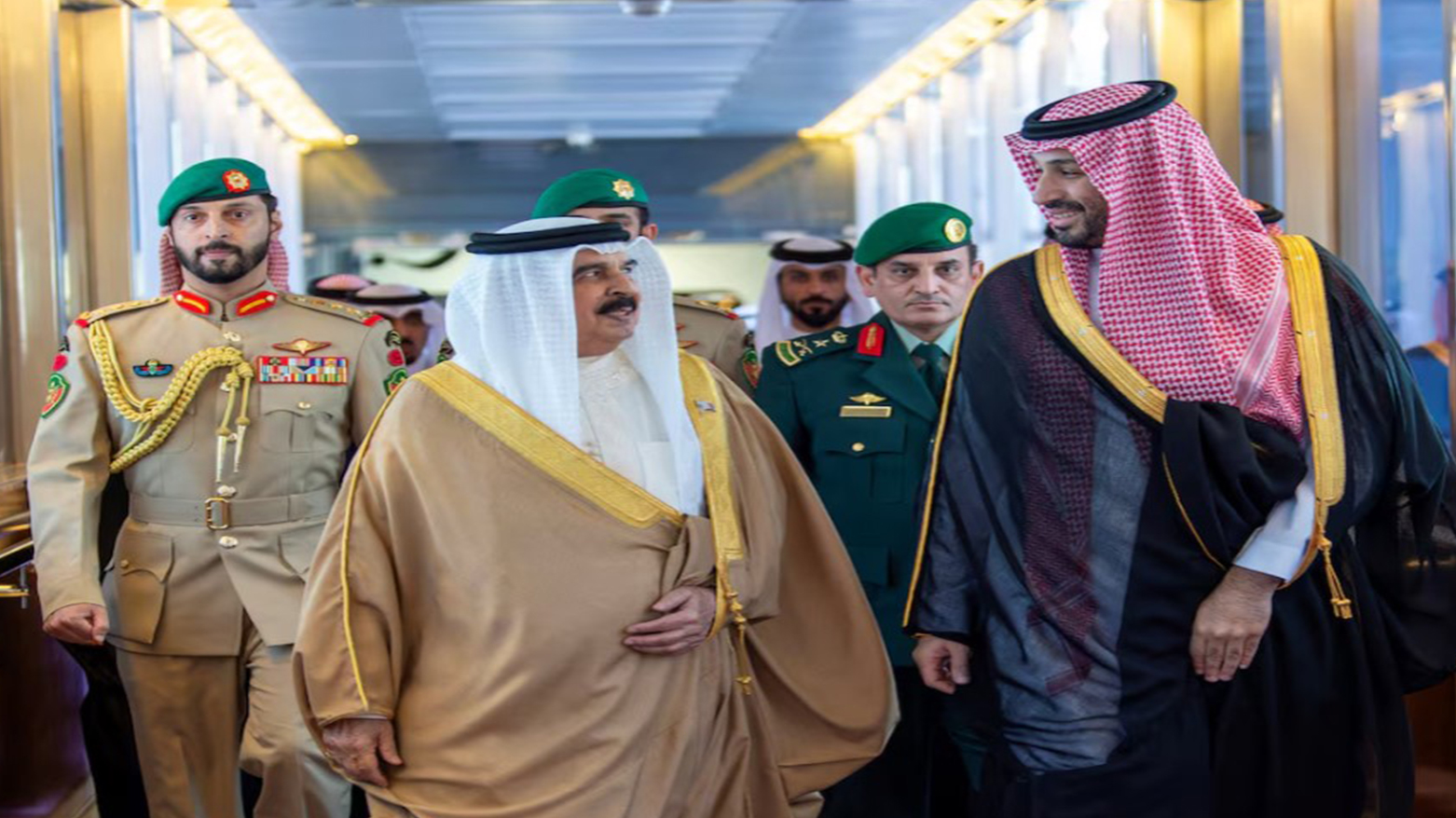
ERBIL (Kurdistan24) — Saudi Arabia on Tuesday hosted leaders and senior officials from across the Gulf region for high-level talks aimed at addressing the escalating crisis triggered by the ongoing U.S.-Israeli war against Iran.
The meeting, held in the Red Sea city of Jeddah, comes as the White House weighs Tehran’s latest proposal to bring an end to the two-month-long conflict and reopen the strategically vital Strait of Hormuz.
Before the outbreak of hostilities, the Strait of Hormuz accounted for nearly 20 percent of global crude oil and liquefied natural gas shipments. However, maritime traffic through the waterway has been severely disrupted since the war began, raising concerns over global energy supplies.
The gathering marked the first in-person meeting of the Gulf Cooperation Council (GCC) since the conflict erupted on February 28, when U.S. and Israeli forces launched strikes on Iran.
Tehran responded with waves of missile and drone attacks targeting Gulf states, causing significant damage to key energy infrastructure across the region.
Saudi Crown Prince Mohammed bin Salman welcomed Gulf leaders upon their arrival in Jeddah, according to footage released by state media.
In a statement, the Saudi Press Agency said the summit addressed a range of regional and international developments, with a focus on coordinating responses to the evolving crisis.
A source close to the Saudi government told AFP that discussions centered on “the current political and security situation in the region,” underscoring the urgency of collective action.
Following the meeting, Tamim bin Hamad Al Thani said in a social media post that the summit “embodied the unified Gulf position toward the current situation and what it requires in terms of intensified coordination and consultation.”
In a concluding statement, the GCC’s secretary general strongly condemned Iran’s actions, describing them as “blatant attacks” on Gulf countries.
The statement added that the strikes had caused a “sharp loss of trust” between GCC states and Iran, urging Tehran to take serious steps to rebuild confidence.
The Jeddah summit reflects growing regional efforts to present a coordinated front as the conflict continues to reshape political and security dynamics across the Gulf.
The summit also came amid growing criticism in the Gulf over the bloc’s handling of the crisis. Anwar Gargash, a senior adviser to the United Arab Emirates president, said earlier this week that the Gulf Cooperation Council had failed to mount an adequate political or military response to Iran’s retaliatory attacks.
Speaking at a conference in Dubai, Gargash described the bloc’s position as “the weakest historically,” citing the scale of missile and drone strikes that targeted multiple Gulf states following the outbreak of the war.
Gargash noted that while some logistical coordination took place among Gulf allies, the overall strategic response fell short of expectations, particularly given the direct threat faced by member states, including the UAE.
He added that long-standing policies of containment toward Iran—through diplomacy, trade, and regional engagement—had “failed miserably,” calling for a comprehensive reassessment.
His remarks came despite a fragile ceasefire reached on April 8 between Washington and Tehran, which has halted weeks of cross-border attacks targeting U.S. bases and critical infrastructure but left underlying tensions unresolved.