Araghchi Claims U.S. Conflict Costs Exceed $100 Billion Amid Stalled Diplomacy
Iran’s foreign minister disputes U.S. war cost estimates, as diplomatic deadlock, military tensions, and domestic political divisions persist despite a pause in active fighting.
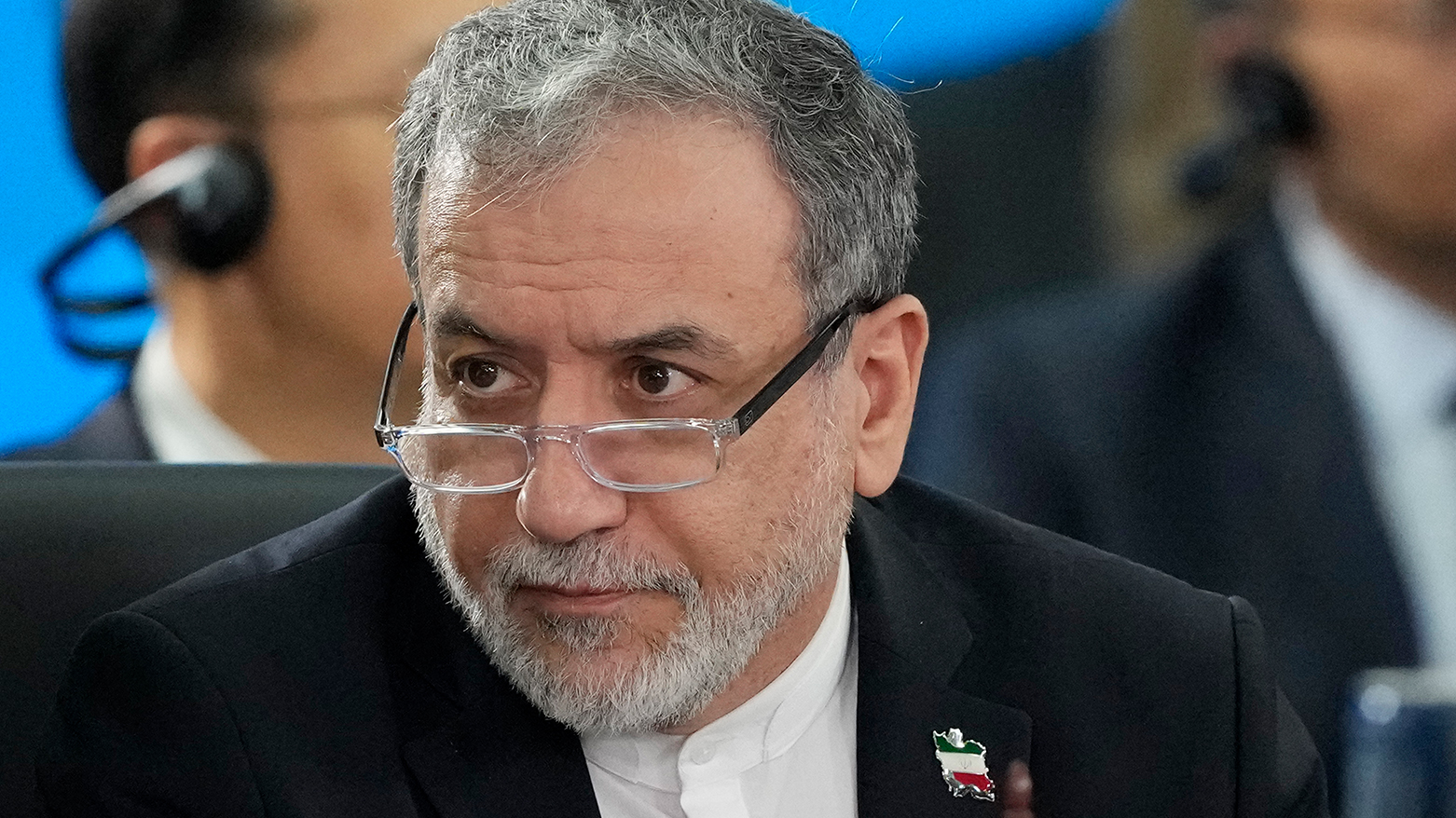
ERBIL (Kurdistan24) - Iran's FM Abbas Araghchi, in a post on X on Friday, asserted that the financial toll of the ongoing conflict is vastly higher than official United States estimates, writing, "The Pentagon is lying. Netanyahu's gamble has directly cost America $100b so far, four times what is claimed."
Araghchi's social media statement further declared that the financial burden on American citizens is significantly more severe than publicly acknowledged.
He claimed that the monthly expense for each U.S. household has reached $500 and continues to climb rapidly.
The foreign minister concluded his remarks by stating, "Israel First always means America Last," highlighting Tehran's framing of the military engagement as fundamentally detrimental to domestic American economic interests.
The Iranian official's comments arrive against the backdrop of an extended pause in active combat, originally initiated by U.S. President Donald Trump, which has temporarily halted a conflict that commenced in late February.
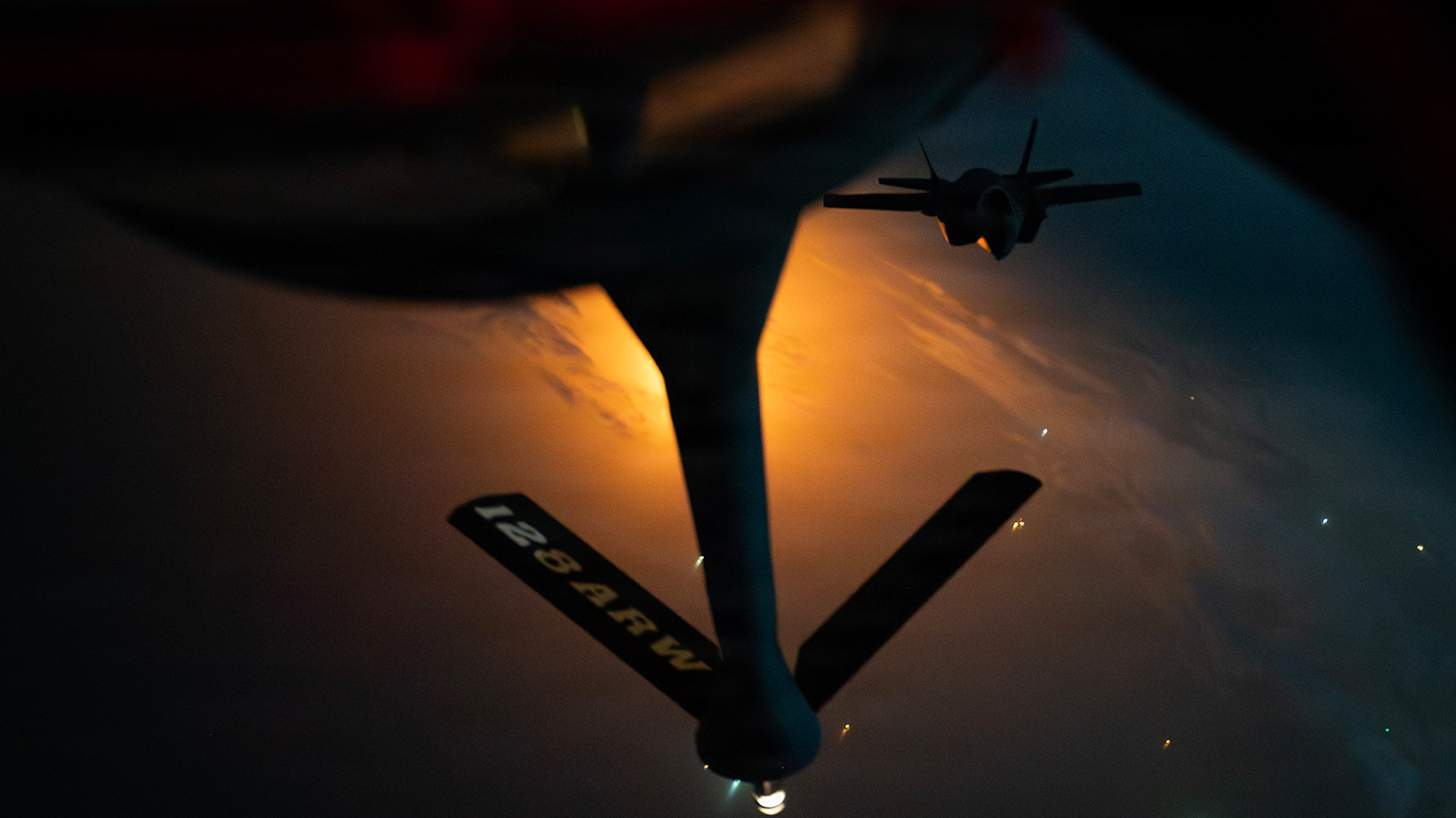
Despite this cessation of major kinetic operations, according to Agence France-Presse reporting, Washington maintains a strict naval embargo on Iranian shipping hubs, while Tehran continues to tightly restrict maritime transit through the critical Strait of Hormuz.
This latest rhetorical escalation underscores the persistent volatility between Washington and Tehran. As detailed by AFP journalists, the two nations have only engaged in a single diplomatic session since the hostilities began, with no substantive breakthroughs regarding a definitive end to the war or resolutions concerning Iran's nuclear capabilities.
Diplomatic Positioning
According to a report by Agence France-Presse, Iranian leadership maintains a stated willingness to engage in dialogue with the United States, provided that Washington abandons what Tehran views as coercive tactics.
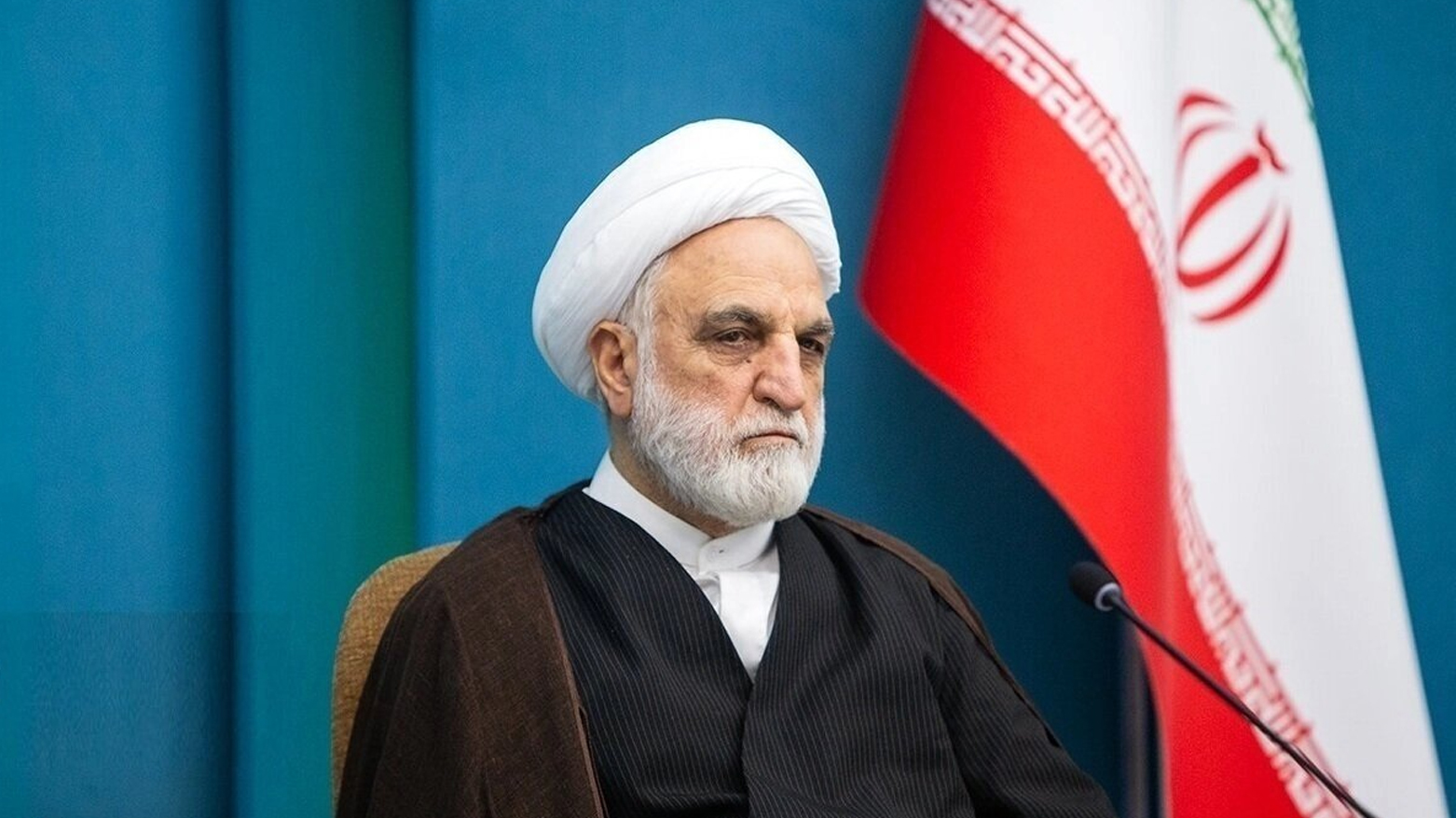
In a video broadcast via the Mizan Online judicial portal, Gholamhossein Mohseni Ejei, Iran's judiciary chief, articulated the state's posture, affirming that the nation "has never shied away from negotiations," as documented by AFP.
Ejei emphasized that Iranian officials fundamentally reject the "imposition" of policies dictated under the threat of force, AFP reported.
The judiciary leader noted that Tehran does not desire the perpetuation of warfare, but he stressed that the country remains "absolutely not willing to abandon our principles and values in the face of this malicious enemy," according to the Agence France-Presse account.
Further illustrating the tense diplomatic environment, AFP highlighted recent developments in Washington and Tel Aviv regarding strategic posturing.
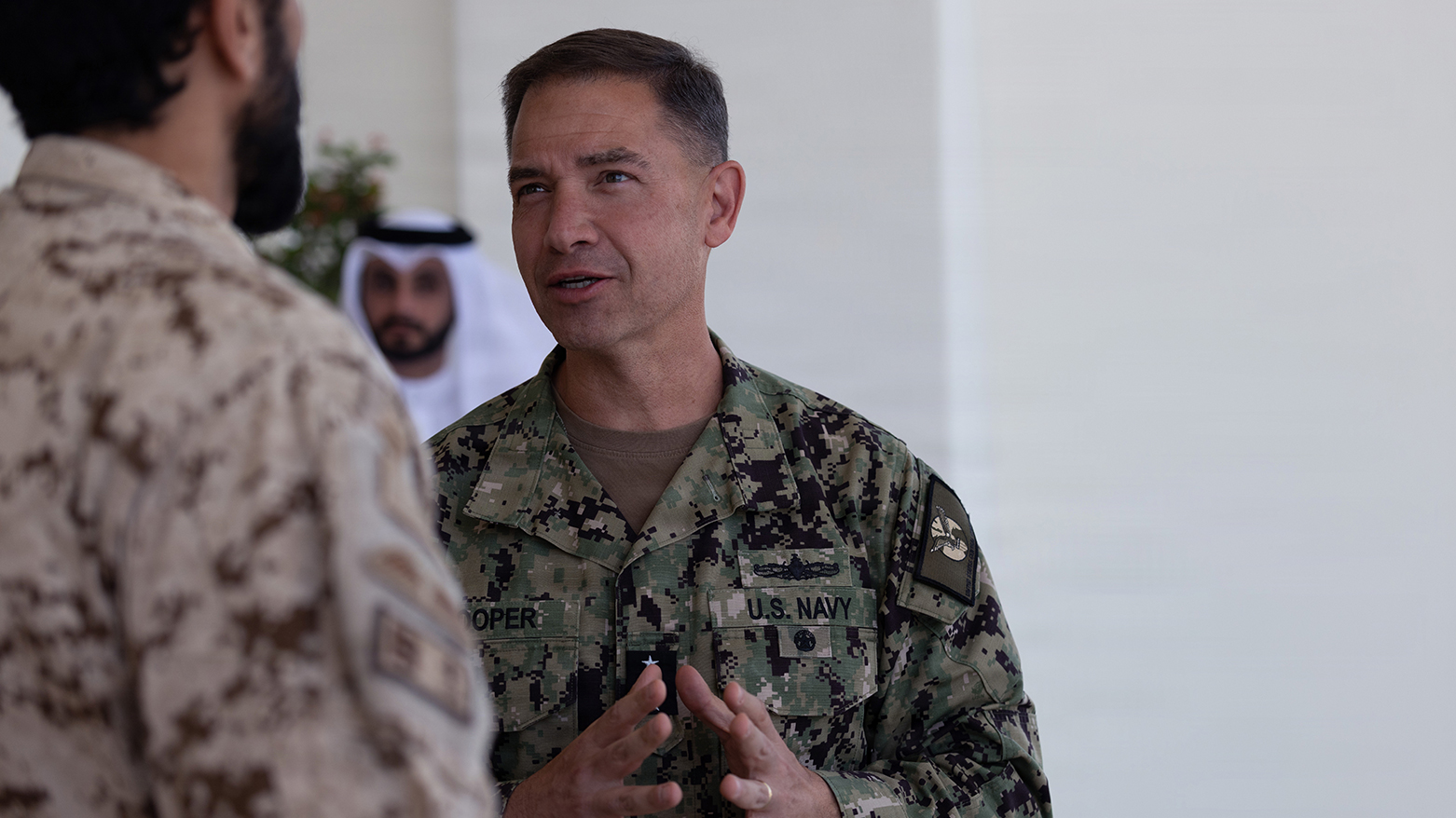
The news agency pointed to reports indicating that the head of U.S. Central Command, Admiral Brad Cooper, was scheduled to brief President Trump on potential military options.
Simultaneously, Israeli Defense Minister Israel Katz has warned that further operations against Iran might be necessary to secure military objectives, as noted in reporting by Agence France-Presse.
Despite these warnings, Iranian officials project institutional confidence.
According to AFP, Ejei claimed the U.S. gained nothing from the military campaign, while Iran's supreme leader, Ayatollah Mojtaba Khamenei, issued a written declaration framing the U.S. operations as a "disgraceful defeat."
Khamenei reiterated that Tehran's nuclear and missile assets represent vital national resources that will be fiercely guarded, as chronicled by Agence France-Presse.
U.S. Political and Institutional Debate
Within the United States, the strategic and financial management of the conflict has sparked intense domestic friction.
As reported by AFP journalist W.G. Dunlop, U.S. War Secretary Pete Hegseth faced significant hostility from Democratic lawmakers during his first congressional appearance since the war's initiation.
In reporting by Agence France-Presse, Hegseth immediately adopted an aggressive stance toward the House Armed Services Committee, characterizing the skepticism of certain elected officials as "defeatist."
Representative Adam Smith pressed the Pentagon chief for clarity regarding the ultimate strategic goals of the administration and the methods by which kinetic operations would successfully eliminate Iran's nuclear infrastructure, as detailed by AFP.
The congressional hearing also highlighted deep partisan divides over the administration's transparency and operational foresight.
According to the Agence France-Presse report by Dunlop, Representative John Garamendi accused Hegseth of deceiving the American public, labeling the Middle Eastern conflict a "quagmire" and a strategic error that has rapidly depleted critical U.S. munitions stockpiles.
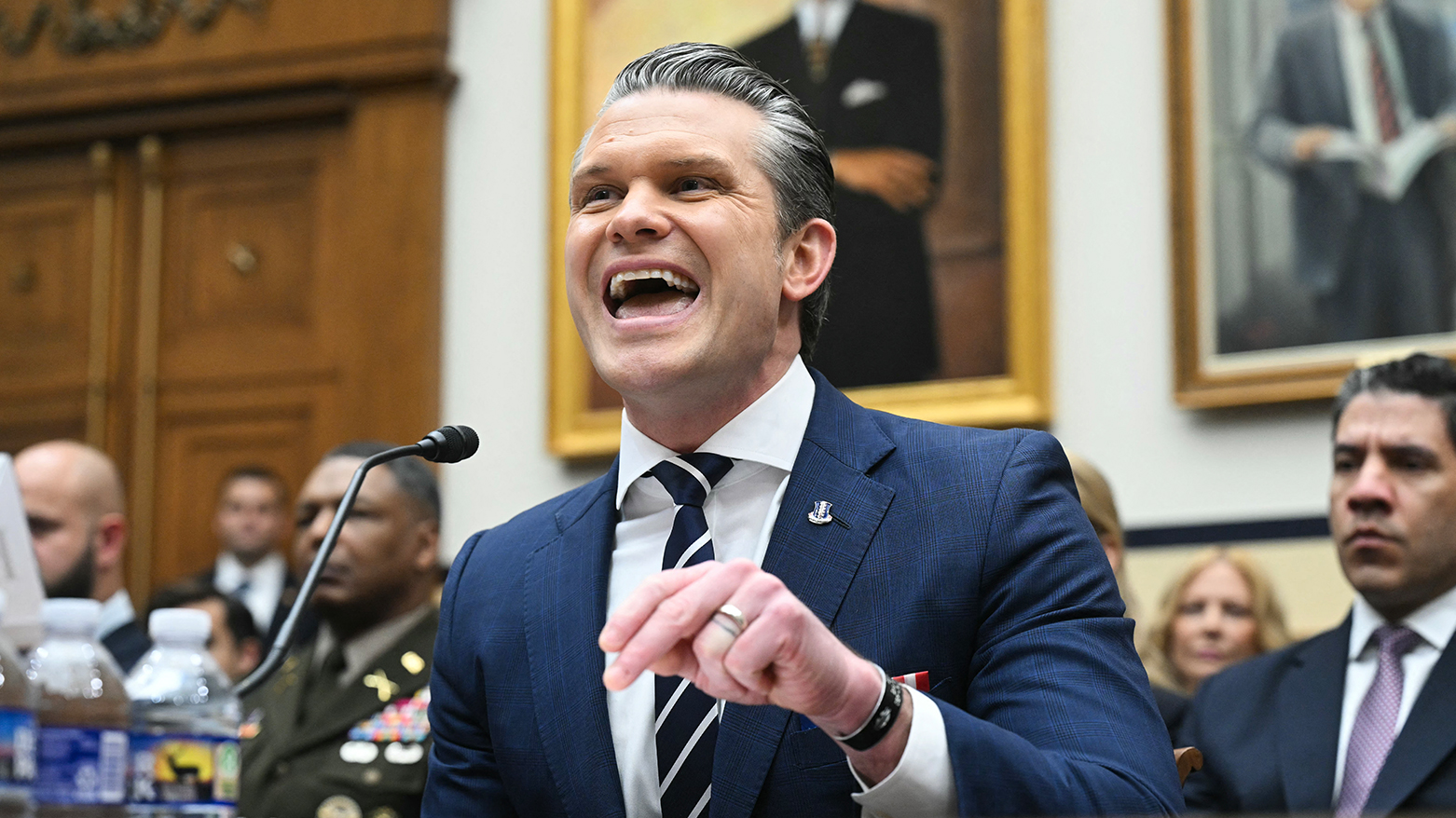
Hegseth countered these accusations by asking whom the representative was cheering for, suggesting such characterizations served as enemy propaganda, AFP reported.
Lawmakers also challenged the administration's preparedness regarding the economic fallout of the conflict.
AFP journalists noted that Representative Seth Moulton questioned whether the War Department had adequately anticipated the closure of the Strait of Hormuz, an event that has triggered global economic disruptions.
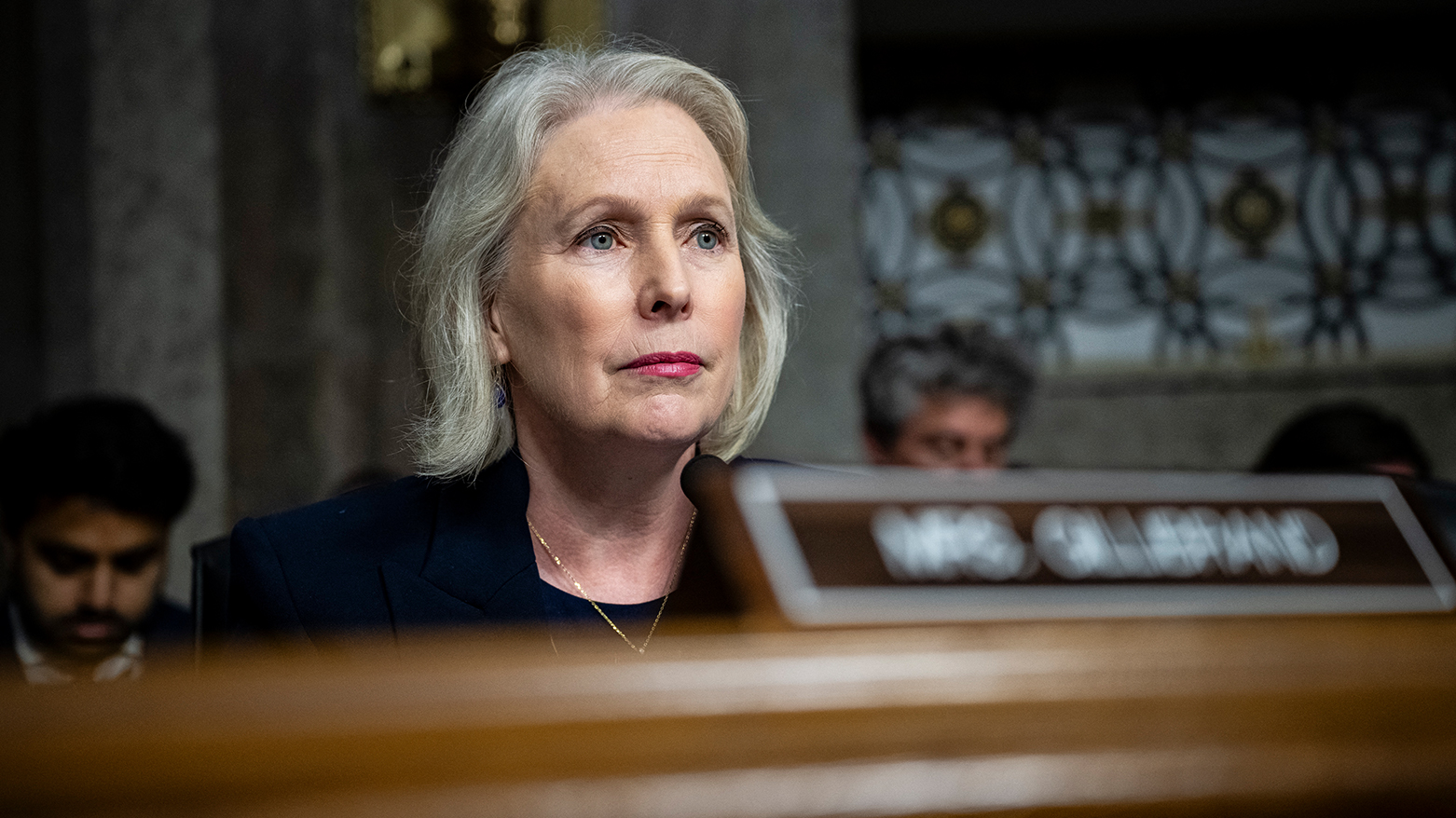
Furthermore, Representative Patrick Ryan demanded accountability regarding a lethal incident in Kuwait that resulted in the deaths of six American service members, accusing the war secretary of failing to deploy adequate countermeasures, according to the Agence France-Presse account.
Thirteen U.S. troops have died and 400 have been injured over the course of the hostilities, AFP reported.
Military and Financial Dimensions
The explicit financial figures cited by the Iranian foreign minister directly challenge the official cost assessments presented by U.S. military leadership.
According to Agence France-Presse reporting, Jules Hurst, the acting comptroller for the Pentagon, informed lawmakers that Operation Epic Fury has required approximately $25 billion in funding since late February.
Hurst indicated that the vast majority of these funds have been allocated toward replenishing munitions, as outlined by AFP.
War Secretary Hegseth reinforced this baseline figure during his congressional testimony, asserting the current expenditures were actually below the $25 billion mark, according to the Agence France-Presse dispatch.
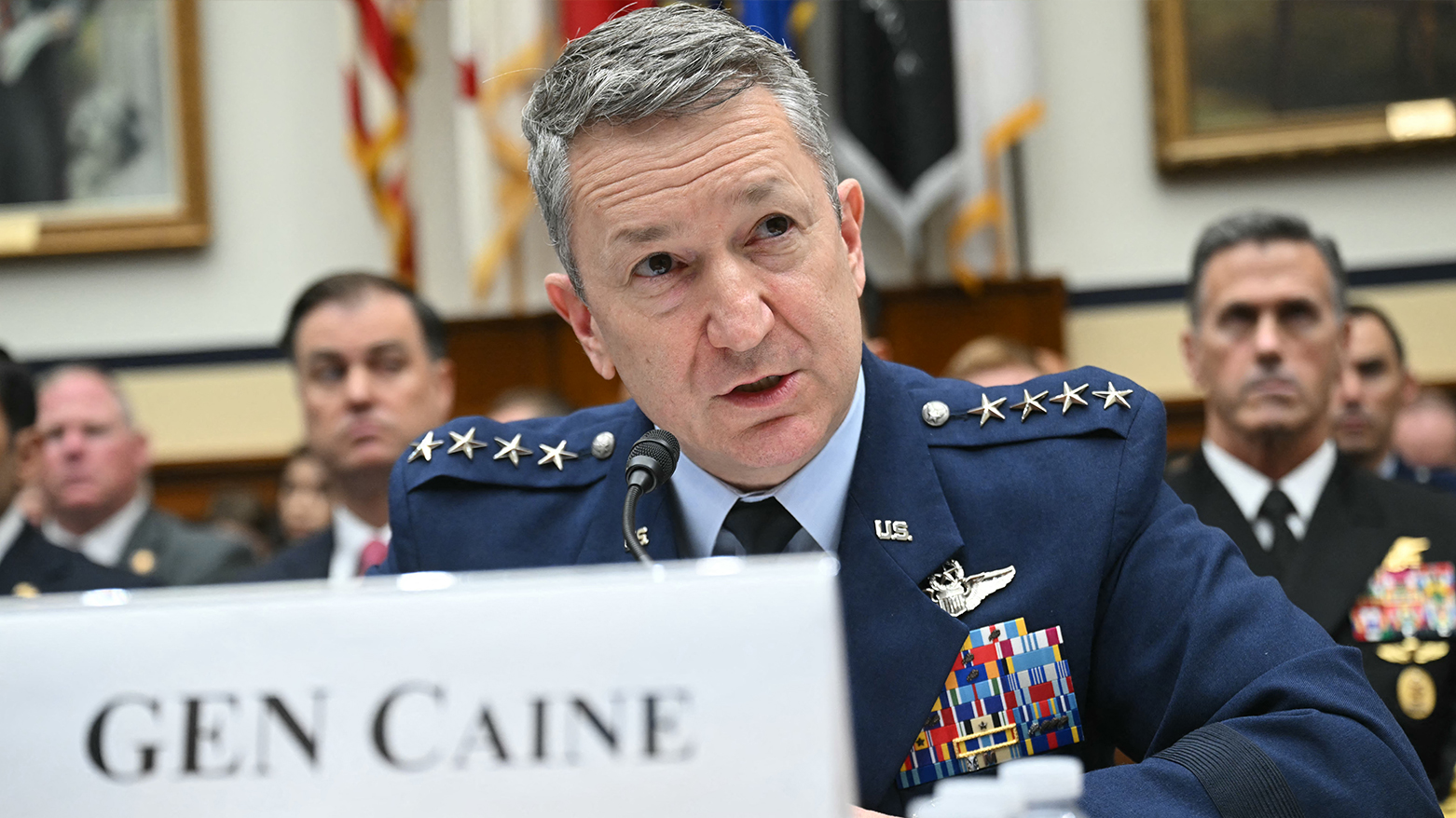
When confronted with concerns regarding the expanding financial burden of the extensive air campaign, Hegseth defended the expenditure.
As reported by AFP, the Pentagon chief asked the committee to weigh the monetary cost against the strategic value of ensuring that Tehran is permanently blocked from acquiring a nuclear weapon.
The stark contrast between official U.S. assessments and the figures presented by Iran's top diplomat highlights the ongoing informational battle between the nations.