Pentagon Says US Naval Blockade Has Cost Iran $4.8 Billion
The Pentagon says its blockade has cost Iran $4.8 billion, as Trump weighs military options while still favoring a deal.
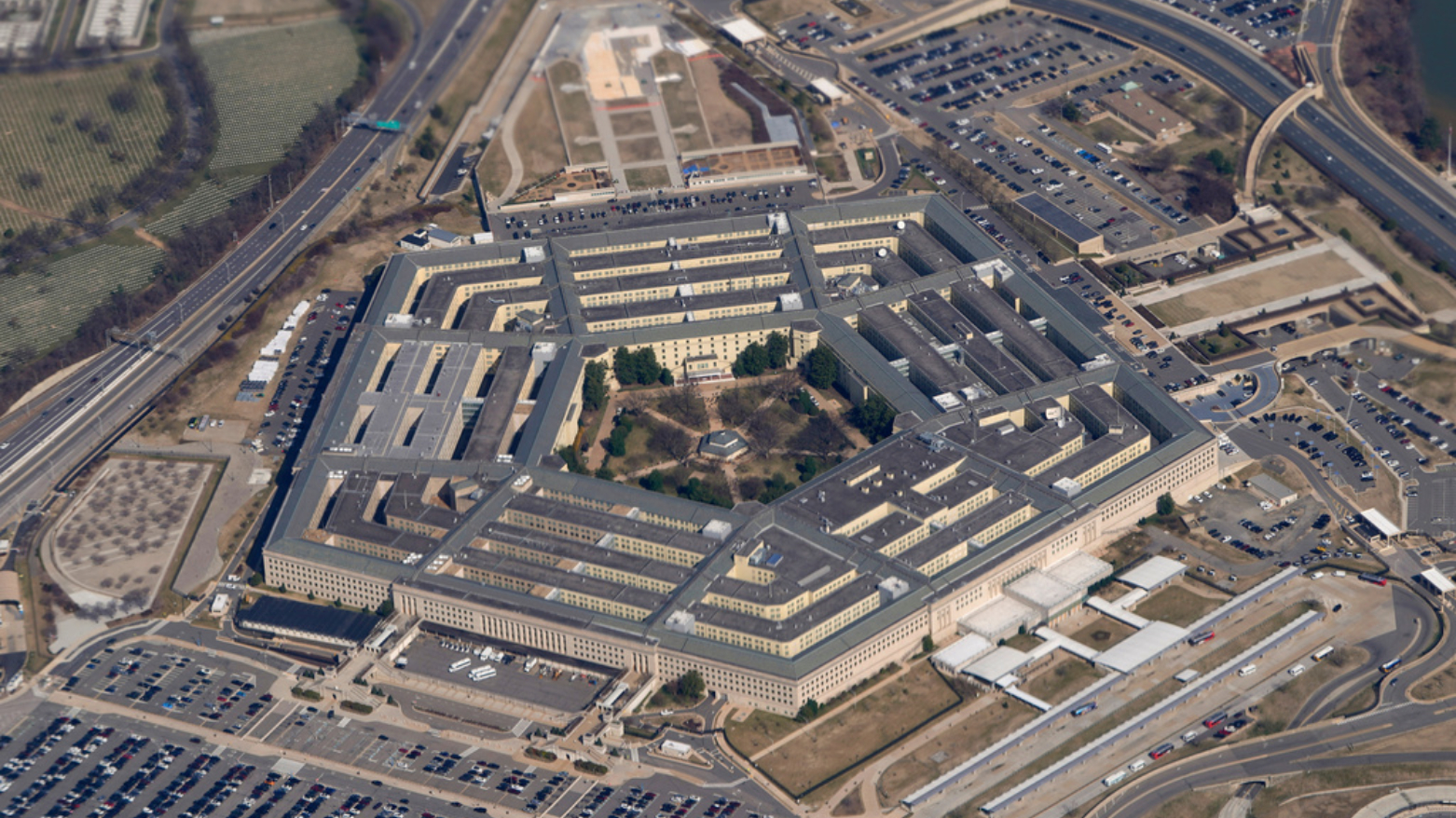
ERBIL (Kurdistan 24) - The U.S. Department of War estimates that its naval blockade targeting Iran has cost Tehran approximately $4.8 billion in lost oil revenue, according to a Pentagon official familiar with the assessment on late Friday Quoted by Hill.
The estimate, first reported by Axios on Friday, reflects the growing economic impact of U.S. military measures as negotiations with Iran remain at a stalemate.
The blockade, which went into effect on April 13, is part of a broader pressure campaign by Donald Trump aimed at forcing Tehran back to the negotiating table.
In a statement on Friday, acting Pentagon press secretary Joel Valdez said the operation is achieving its intended objectives.
“The United States’ blockade in the Strait of Hormuz is operating with full force and delivering the decisive impact we intended. We are inflicting a devastating blow to the Iranian regime’s ability to fund terrorism and regional destabilization,” he said, according to Axios.
He added that U.S. forces would continue maintaining pressure across the region.
According to the US Central Command on Friday, since the blockade began, 45 commercial vessels have been forced to turn around or return to port, underscoring the scale of disruption to maritime traffic.
While U.S. forces have enforced a blockade in the Gulf of Oman, Iran has simultaneously restricted movement through the Strait of Hormuz, effectively creating dual pressure on regional shipping lanes, according to the Central Command.
The escalation comes as President Trump informed Congress on Friday that the ongoing ceasefire with Iran extends the timeline between the start of the conflict on February 28, 2026, and the 60-day deadline under the War Powers Resolution, which is a key U.S. law that tries to limit the president’s ability to take the country into war without Congress.
President Donald Trump was briefed on Thursday, by Brad Cooper and Dan Caine on a range of potential new military options against Iran, according to U.S. media reports. The briefing, which involved senior officials from United States Central Command, focused on contingency plans including limited airstrike scenarios targeting key infrastructure and possible operations to secure parts of the Strait of Hormuz. Officials also discussed how such military measures could be calibrated to increase pressure on Tehran while avoiding full-scale escalation, as Washington continues to weigh its strategic response amid stalled diplomatic efforts.
According to previous reporting by Kurdistan 24, Iranian Foreign Minister Abbas Araghchi has argued that the broader conflict has imposed heavy costs on the United States, estimating that U.S. expenditures have exceeded $100 billion amid prolonged military and strategic engagement.
The contrasting financial claims from both Washington and Tehran highlight the widening economic dimension of the conflict, as each side seeks to demonstrate leverage while avoiding full-scale escalation.
“There are options. Do we want to go and just blast the hell out of them and finish them forever, or do we want to try and make a deal?” Trump told reporters on Saturday in Florida, signaling that while military escalation remains on the table, he prefers a negotiated agreement.
The Pentagon’s assessment highlights the growing economic toll of the blockade on Iran, as Washington continues to balance military pressure with the possibility of a diplomatic resolution.
Edited by Kamaran Aziz.