Iranian Ship Crew Transferred to Pakistan
Pakistan confirmed the transfer of 22 Iranian crew members from a seized vessel in a rare confidence-building step amid tensions
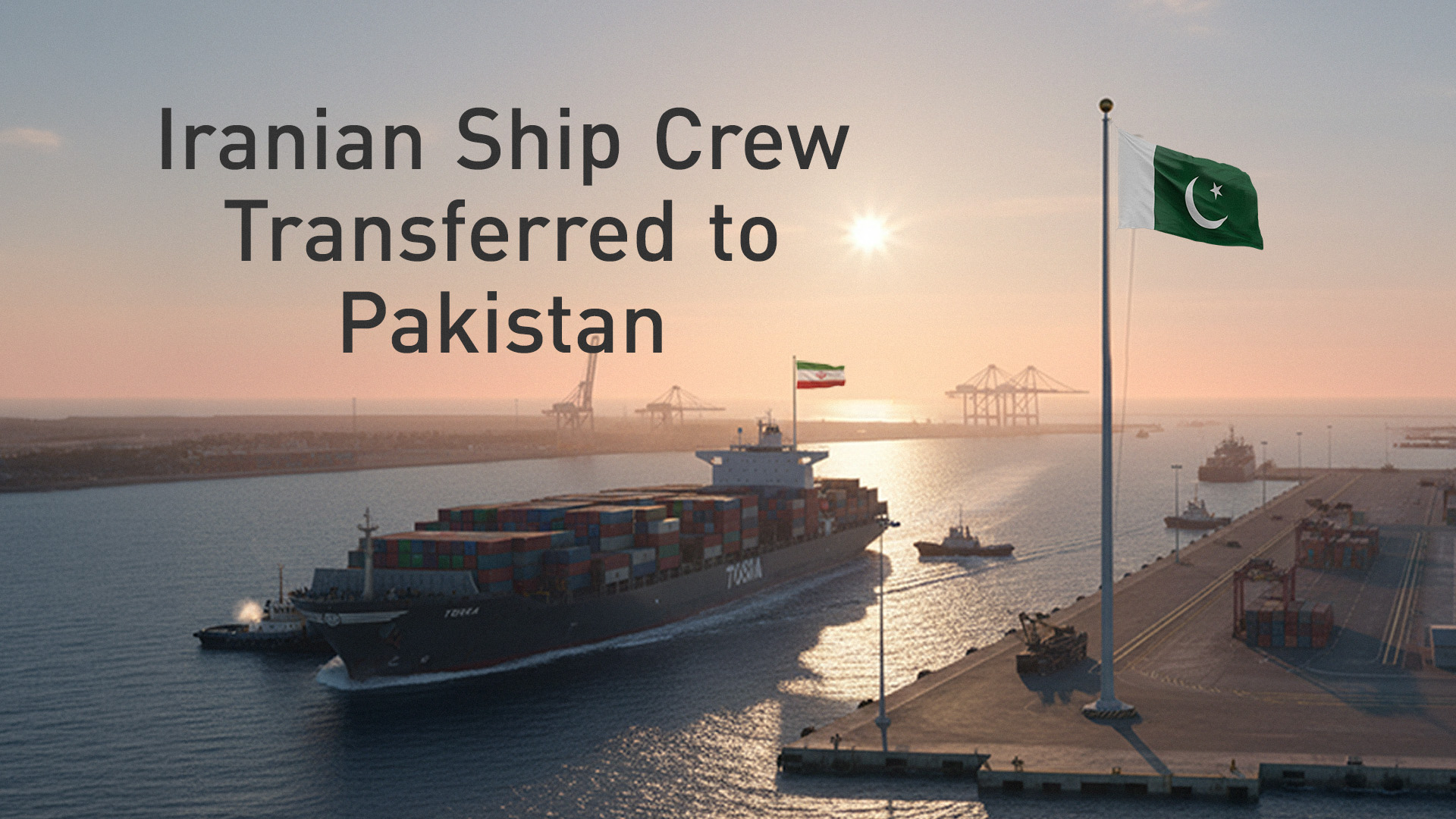
ERBIL (Kurdistan 24) - Pakistan confirmed on Monday that 22 crew members from an Iranian container ship seized by U.S. forces have been transferred to its territory, in what officials described as a “confidence-building measure” supported by both sides.
According to Pakistan’s Foreign Ministry, the crew will be evacuated to Pakistan before being returned to Iran on Monday. signaling a limited humanitarian step amid ongoing tensions between Washington and Tehran.
🔊PR No.1️⃣1️⃣4️⃣/2️⃣0️⃣2️⃣6️⃣
— Ministry of Foreign Affairs - Pakistan (@ForeignOfficePk) May 4, 2026
Pakistan Facilitates Transfer of Iranian Crew Members
🔗⬇️ pic.twitter.com/hhe0eNVh1K
The spokesperson for US Central Command (CENTCOM) told ABC News on Monday that the Iranian vessel had previously been intercepted by U.S. forces while attempting to breach a naval blockade imposed on Iran.
Captain Tim Hawkins said that U.S. forces had completed the transfer of the 22 crew members from the vessel, identified as the Tousca, to Pakistan as part of arrangements for their eventual return to Iran.
He added that six additional individuals linked to the same ship had been transferred earlier to another country in the region, with Iranian media reporting they were family members of some crew.
According to U.S. CENTCOM, the incident dates to April 19, when the vessel ignored repeated warnings from U.S. naval forces for approximately six hours.
General Dan Caine previously said at a Pentagon briefing in late April that a U.S. destroyer fired warning shots toward the ship’s engine compartment before American Marine forces boarded and seized control of the vessel. The ship was accused of attempting to violate the U.S. naval blockade imposed on Iran.
According to CENTCOM on April 19, the vessel is now in the process of being returned to its original owner.
Separately, Esmail Baghaei, during a press conference on Monday, said that the United States bears responsibility for the failure of diplomatic efforts. He criticized Washington for withdrawing from the 2015 nuclear agreement and accused it of engaging in military escalation during ongoing negotiations.
Baghaei also questioned U.S. claims about financial losses, saying the global public should ask American officials to justify their actions, while criticizing Western media for focusing on economic and military aspects while overlooking humanitarian concerns.
The transfer of the Iranian crew comes amid escalating tensions in the Gulf, including a U.S. naval blockade imposed in April and Iran’s own restrictions on maritime movement in the Strait of Hormuz.
Despite stalled negotiations, mediated in part by Pakistan, the evacuation of the crew represents a rare moment of limited coordination between the two sides. The evacuation highlights a small but notable confidence-building step, even as broader tensions between the United States and Iran continue to escalate across military, economic, and diplomatic fronts.