U.S., Iran Near Preliminary Deal to End Conflict and Ease Strait of Hormuz Tensions
Draft memorandum could pause escalation, lift restrictions in the Gulf, and launch broader nuclear negotiations
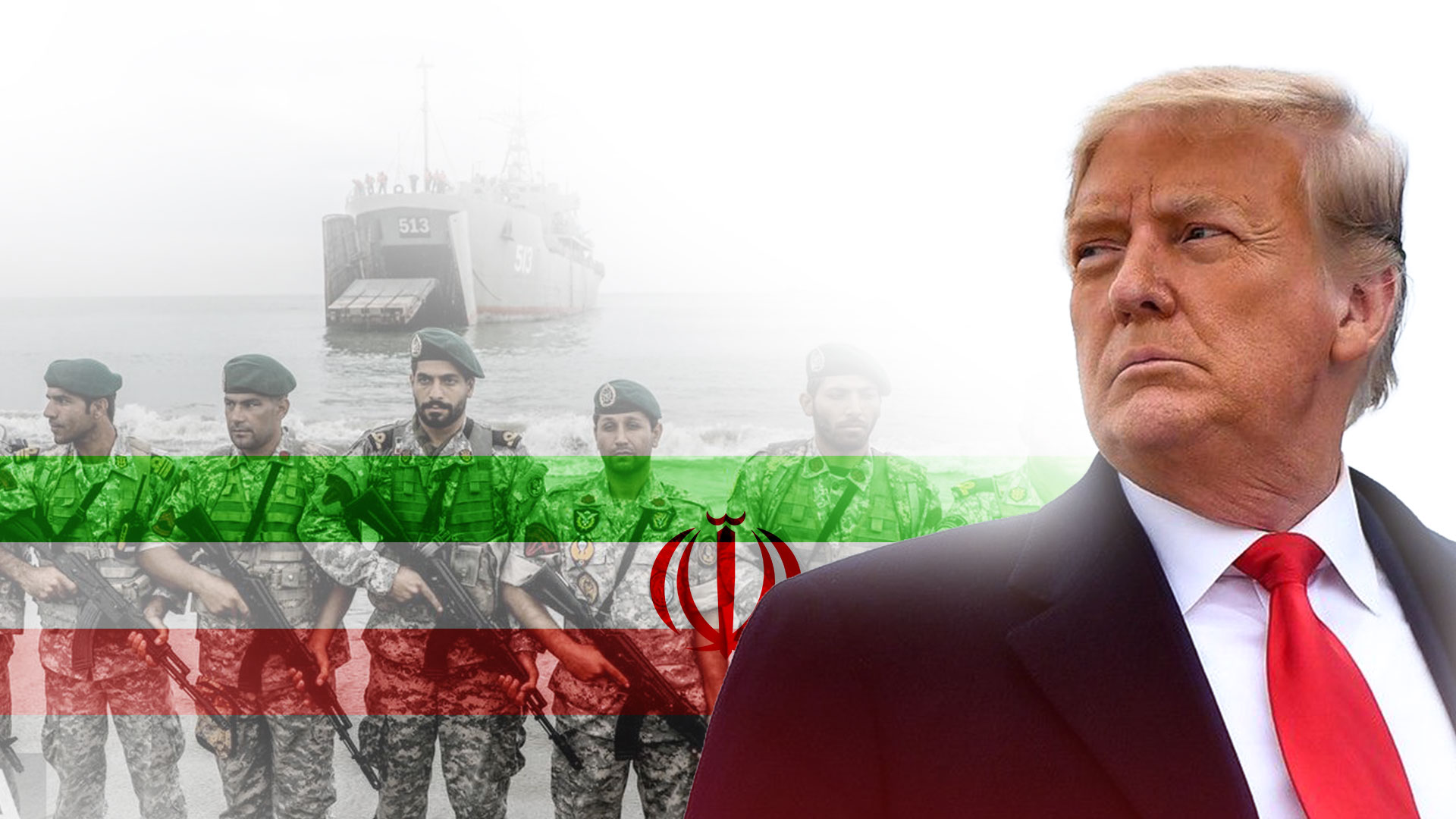
ERBIL (Kurdistan 24) — The United States and Iran are moving closer to a preliminary agreement aimed at ending the current conflict and opening the door for broader nuclear negotiations, according to multiple U.S. officials and sources familiar with the talks.
On Wednesday, U.S. officials told Axios that Washington and Tehran are discussing a one-page memorandum of understanding (MOU) that would establish a framework for a 30-day negotiation period focused on limiting Iran’s nuclear activities, easing sanctions, and reducing tensions in the Strait of Hormuz. According to the report, Washington expects Tehran to respond within the next 48 hours on several unresolved points, with officials describing the current stage as the closest both sides have come to an agreement since the conflict began on February 28.
The draft framework reportedly includes an Iranian commitment to suspend uranium enrichment for a prolonged period, while the United States would gradually lift sanctions and release billions of dollars in frozen Iranian funds. The proposed understanding would also include the gradual removal of restrictions affecting maritime transit through the Strait of Hormuz, where tensions have escalated sharply in recent weeks.
In April and May, U.S. Central Command (CENTCOM) announced that the negotiations came after months of military escalation and maritime confrontation in Gulf waters. Following the outbreak of conflict on February 28, the United States expanded naval operations in the Gulf and Gulf of Oman under what U.S. officials described as “Project Freedom,” aimed at enforcing a naval blockade on Iranian ports and protecting international shipping routes. On April 13, Washington formally intensified naval blockade measures targeting Iranian oil exports, according to statements later confirmed by U.S. Central Command and Pentagon officials.
At the same time, regional maritime monitoring reports, between May 3–6, Iran increased restrictions and military signaling around the Strait of Hormuz, one of the world’s most strategically important energy chokepoints through which nearly 20% of globally traded oil passes under normal conditions. The confrontation escalated further after multiple maritime incidents in early May. On Sunday, several commercial and oil vessels reportedly came under attack in Gulf waters, while the Fujairah oil terminal in the United Arab Emirates was also targeted, increasing fears of broader disruption to global energy flows.
On Wednesday, Maritime tracking and shipping market monitoring data showed that nearly 163 million barrels of Gulf crude oil had become stranded west of the Strait of Hormuz due to security threats and shipping disruptions, including approximately 43 million barrels of Iraqi crude oil. The instability contributed to rising global shipping costs, higher insurance premiums for oil cargoes, and growing concerns in international energy markets.
The diplomatic push has coincided with a major U.S. military buildup across the region. On Tuesday, CENTCOM announced that the aircraft carrier USS George H.W. Bush (CVN-77) was transiting the Gulf in support of blockade enforcement operations and maritime security missions connected to “Project Freedom.”
Added that the carrier was operating with more than 60 aircraft on board as part of broader U.S. efforts to secure maritime routes and maintain pressure on Iran.
Meanwhile, U.S. officials confirmed that President Donald Trump recently decided against expanding military operations in the Strait of Hormuz to preserve the fragile ceasefire and maintain momentum in the negotiations.
According to Axios, on Wednesday, the draft MOU is being negotiated between U.S. envoys Steve Witkoff and Jared Kushner and Iranian officials, both directly and through mediators. The proposal would formally declare an end to the current military confrontation and launch a 30-day diplomatic process, with negotiations potentially taking place in Islamabad or Geneva. During that period, restrictions imposed by both sides in and around the Strait of Hormuz would gradually be lifted. U.S. officials reportedly indicated that Washington would retain the option to restore the blockade or resume military operations if negotiations collapse.
Axios reported on Wednesday that one of the most sensitive points remains the duration of Iran’s proposed uranium enrichment moratorium. According to sources quoted by Axios, Iran initially proposed a five-year suspension, while the United States demanded up to twenty years, with negotiations currently centering around a possible compromise of twelve to fifteen years. The discussions also reportedly include enhanced international inspections, limitations on underground nuclear facilities, and guarantees that Iran would not pursue nuclear weaponization activities.
Despite growing optimism among some officials, uncertainty continues to surround the negotiations. U.S. officials believe divisions remain within the Iranian leadership, potentially complicating efforts to finalize an agreement.
On Wednesday, U.S. Secretary of State Marco Rubio acknowledged that a diplomatic solution remains possible but stressed the complexity of the negotiations. “This is highly complex and technical,” Rubio said, adding that both sides still need to clarify the scope of concessions and commitments required to move forward.
If finalized, the proposed memorandum would represent the first major diplomatic breakthrough since the outbreak of the conflict and could significantly reduce tensions in the Gulf, where months of confrontation have threatened regional stability and global energy markets.