Bahrain Dismantles Alleged Iran-Linked Network, Arrests 41 Amid Rising Regional Tensions
Manama intensifies security measures as Gulf tensions escalate and domestic crackdown draws human rights concerns
ERBIL (Kurdistan24) — Bahrain’s Interior Ministry announced on Saturday that security forces had dismantled what it described as an organization linked to Iran’s Islamic Revolutionary Guard Corps (IRGC) and arrested 41 suspected members, in a move reflecting heightened regional tensions and growing domestic security concerns.
In a statement, the ministry said the operation was carried out following earlier investigations by the public prosecution into cases involving alleged espionage for foreign entities and “sympathy for Iranian aggression.”
“In accordance with previous investigations carried out by the prosecutor’s office in cases of espionage on behalf of foreign entities and sympathy for Iranian aggression, the security services dismantled an organization linked to the Revolutionary Guards,” the statement said, referring to Iran’s elite military force.
The ministry confirmed that 41 individuals had been detained as part of the operation.
The Sunni-ruled kingdom of Bahrain, which hosts the US Navy’s Fifth Fleet and has a majority Shia population, has long accused Iran of seeking to influence or destabilize its internal affairs—allegations Tehran has consistently denied.
The announcement comes amid renewed regional volatility following escalations between Iran, Israel, and the United States, which have reverberated across Gulf Arab states. Bahrain was previously affected by Iranian-linked attacks in the Gulf, launched in response to strikes on Iran.
Human rights concerns have also intensified following the latest arrests. Bahraini activist Sayed Ahmed Alwadaei said on X that authorities had detained “some of the country’s most prominent Shia religious figures,” describing the crackdown as unprecedented in scale.
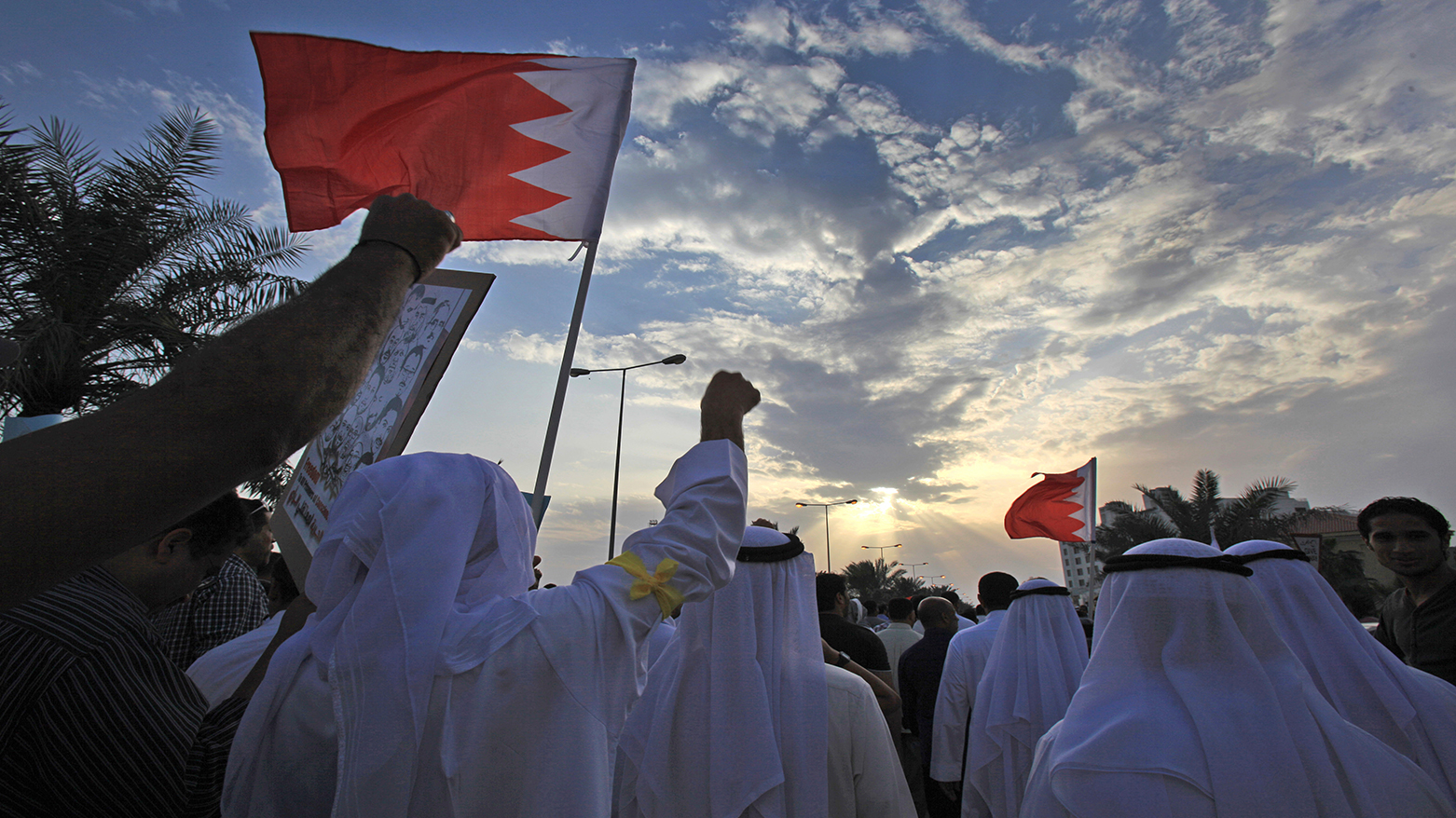
“This move is unprecedented and has not occurred on this scale even during the peak of the 2011 repression,” said Alwadaei, director of the London-based Bahrain Institute for Rights and Democracy (BIRD), referring to the mass protests that erupted in Bahrain during the Arab Spring.
The 2011 uprising, which demanded political reforms and an elected government, was forcefully suppressed by Bahraini authorities with support from Gulf allies, amid accusations by the ruling family that Iran had backed the protests—claims denied by Tehran.
Since the escalation of regional tensions linked to the wider Middle East conflict, Bahraini authorities have increased measures against individuals accused of expressing sympathy toward Iran. In March, Human Rights Watch reported dozens of arrests connected to such expressions.
Last month, Bahrain also revoked the citizenship of 69 individuals accused of supporting Iran, while its parliament recently moved to expel three MPs who opposed a royal decree related to citizenship cases, highlighting ongoing political tightening within the kingdom.
The latest developments underscore Bahrain’s firm security approach amid regional instability, its efforts to safeguard national unity and stability, and its close coordination with Western and Gulf allies in addressing security threats and regional challenges linked to Iranian influence in the Gulf.