US sanctions target Iran-linked procurement networks across China, UAE, Belarus
Washington says measures aim to disrupt Tehran’s weapons acquisition and UAV programs under Trump’s “Economic Fury” campaign
ERBIL (Kurdistan24) — The administration of Donald Trump on Friday announced sweeping new sanctions targeting a network of companies and individuals in Iran, China, Belarus, and the United Arab Emirates accused of supporting Tehran’s military procurement efforts and unmanned aerial vehicle (UAV) programs.
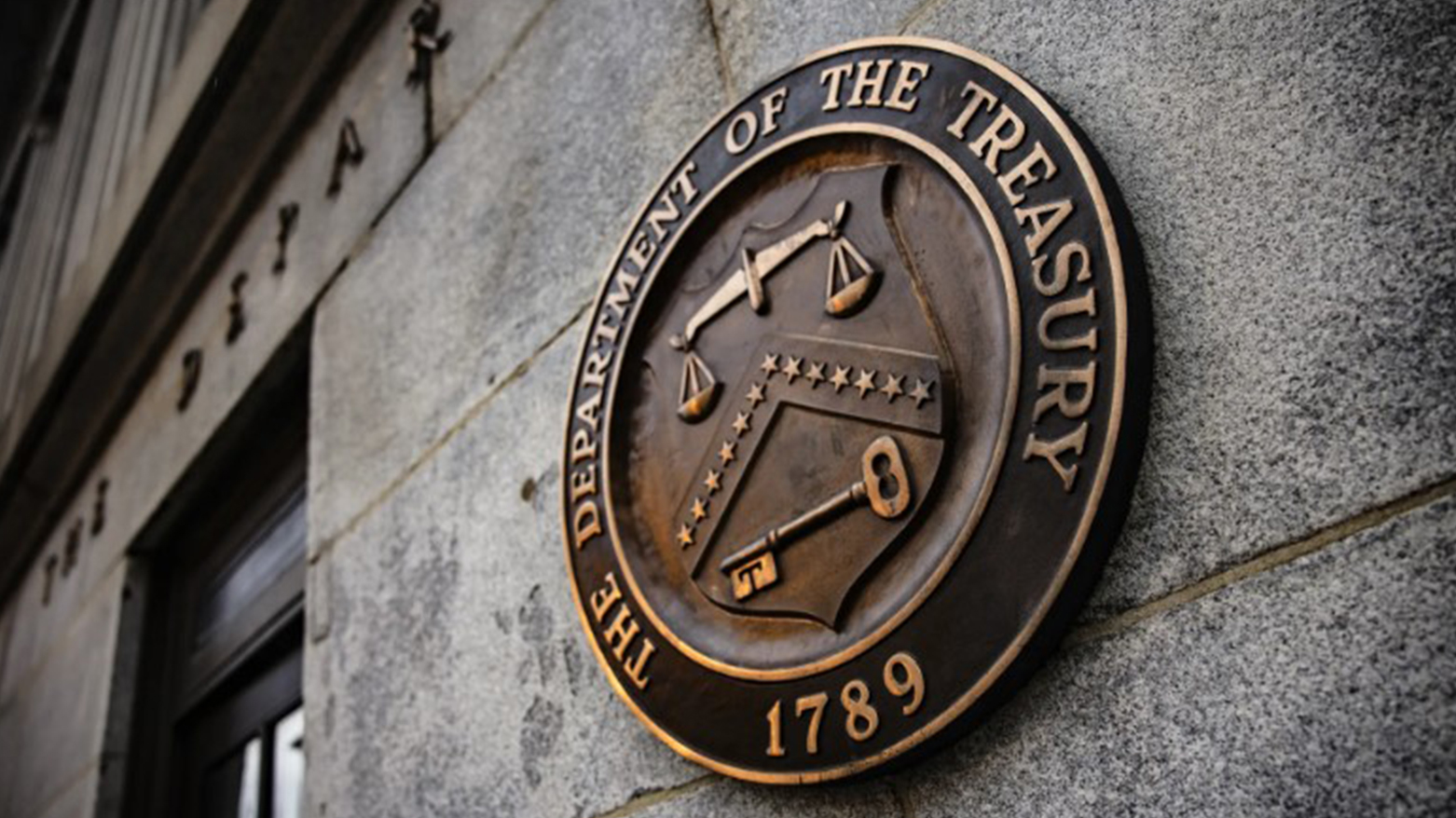
In coordinated actions by the United States Department of State and the United States Department of the Treasury, Washington imposed sanctions on multiple entities allegedly involved in supplying weapons components, aerospace-grade materials, and financial services tied to Iran’s ballistic missile and drone industries.
In a statement released Friday, Marco Rubio said the measures were intended to “disrupt procurement networks supporting Iran’s military programs” and hold foreign entities accountable for aiding Tehran’s defense sector.
“Today’s action holds China-based entities accountable for their support to Iran,” Rubio said, adding that the United States would continue targeting third-country actors assisting Iran’s military and defense industrial base.
The sanctions were announced as part of the Trump administration’s broader “Economic Fury” campaign, which Treasury officials described as an intensified maximum-pressure strategy aimed at crippling Iran’s financial and military capabilities.
Treasury Secretary Scott Bessent said the administration would continue pursuing companies and individuals accused of supplying Iran’s military with weapons and critical materials.
“Under President Trump’s decisive leadership, we will continue to act to 'Keep America Safe' and target foreign individuals and companies providing Iran’s military with weapons for use against U.S. forces,” Bessent said.
According to the Treasury Department, the sanctions target networks allegedly connected to the Islamic Revolutionary Guard Corps (IRGC) and entities involved in Iran’s Shahed-series UAV program.
Among those sanctioned was China-based Yushita Shanghai International Trade Co Ltd, accused of facilitating procurement efforts for Iran’s Center for Progress and Development of Iran, identified by U.S. authorities as the latest name for the previously sanctioned Center for Innovation and Technology Cooperation.
Dubai-based Elite Energy FZCO and several Hong Kong-based intermediaries were also designated for allegedly helping finance or conceal procurement operations tied to Iranian end-users, according to Treasury.
The sanctions additionally targeted Belarus-based Armory Alliance LLC and two individuals linked to the company, including Belarusian national Mohammed Ali Tolibov and Iranian national Mohammadmahdi Maleki.
Washington also accused Hong Kong-based Mustad Limited of facilitating financial transactions connected to the IRGC’s acquisition of weapons worth millions of dollars.
Separately, the Treasury Department announced sanctions on China-based Hitex Insulation Ningbo Company Limited and its legal representative, Li Genping, for allegedly supplying aerospace-grade materials used in Iranian UAV and ballistic missile production.
U.S. officials said the materials were supplied to Iran-based Pishgam Electronic Safeh Company, which Washington accuses of procuring servomotors recovered from downed Shahed-136 drones.
The measures were enacted under Executive Orders 13382 and 13949, which authorize sanctions against weapons proliferators and entities linked to Iran’s conventional arms activities.
Under the sanctions, all property and interests in property belonging to the designated entities or individuals within U.S. jurisdiction are blocked, and U.S. persons are generally prohibited from conducting transactions with them.
The Treasury Department also warned that foreign financial institutions facilitating transactions involving sanctioned parties could face secondary sanctions or restrictions on access to the U.S. financial system.
The latest sanctions mark the sixth round of U.S. nonproliferation measures imposed since Washington reintroduced United Nations sanctions on Iran in September 2025, citing Tehran’s “significant non-performance” of its nuclear commitments.
The moves come amid heightened tensions between Washington and Tehran over Iran’s missile activities, regional influence, and continued support for armed groups across the Middle East.