KRG Environmental Board Says Exotic Imports Require CITES Certification
The Kurdistan Region has made CITES certification mandatory for all exotic animal and plant imports, warning that invasive species or foreign pathogens could devastate its fragile Zagros ecosystems, home to over 2,000 plant species and 350 migratory bird species.
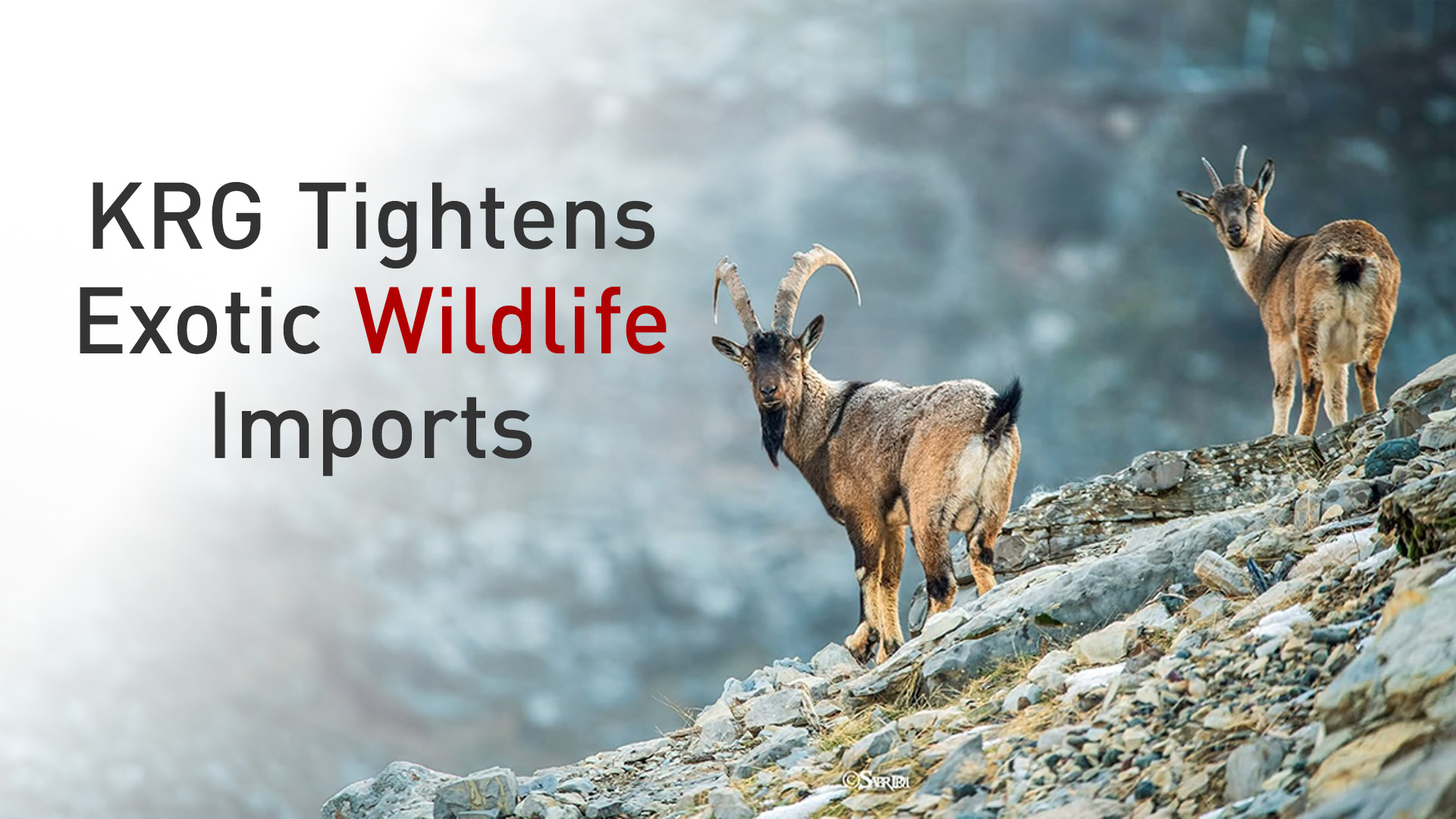
ERBIL (Kurdistan24) - The Kurdistan Region's Environmental Board has announced that the importation of any exotic animal, reptile, or plant species now requires an international "CITES" certificate. This regulatory mandate is part of an ongoing effort to align regional trade practices with global standards governing the protection of rare and endangered species and to safeguard the unique biological integrity of the Kurdistan Region.
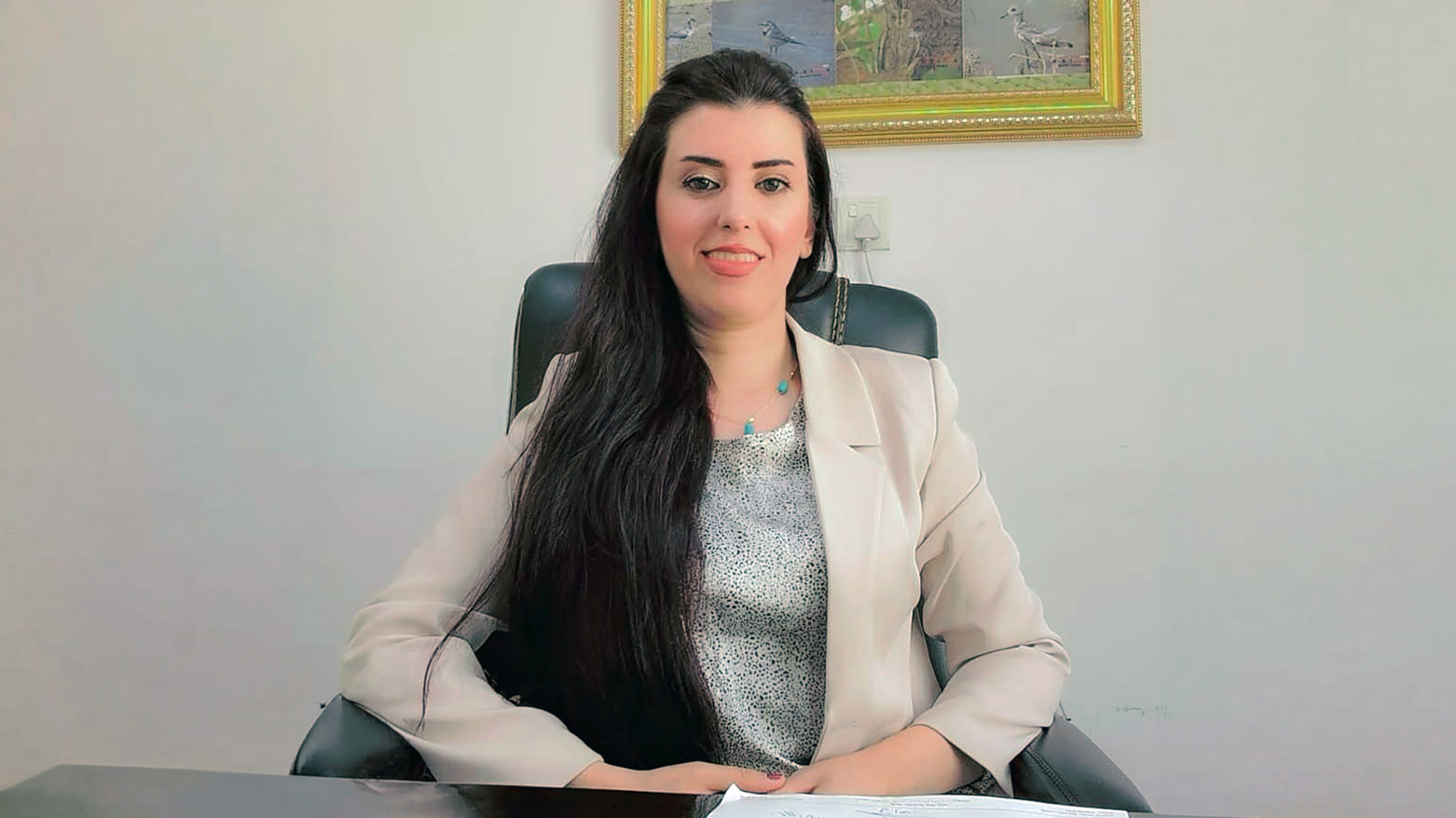
In an explanation of the the procedures, Solin Saeed, the Head of the Natural Environment Department at the Kurdistan Region's Environmental Board, stated that all applications for the import of such organisms must undergo a rigorous vetting process.
According to the Board, the regional authorities work in close coordination with federal officials in Baghdad to ensure that every species entering the territory is audited against international protection lists.
The announcement marks a significant step in regional biosecurity and environmental governance.
By requiring CITES (Convention on International Trade in Endangered Species of Wild Fauna and Flora) documentation, environmental authorities aim to prevent the introduction of invasive species and curb the trade of organisms that are at risk of extinction in their native habitats.
|
Why It Matters Kurdistan is a critical corridor for 350 bird species and home to more than 2,000 types of plants. In a landscape already scarred by historical conflict and modern development, the introduction of a foreign pathogen or an aggressive non-native predator could be "catastrophic." The message from the board is clear: the region's biodiversity is a finite treasure, not a storefront. To protect the native species, one must first regulate the paperwork.
|
Authorities Stress CITES Compliance
The administrative process for importing exotic life forms is now clearly defined.
Solin Saeed told Kurdistan24 on Sunday that all import applications are initially submitted to the regional Environmental Board. From there, the requests are forwarded to the federal government in Baghdad for a technical audit.
Environmental authorities explained that this audit determines whether a species is included on the CITES permitted list.
If the species is authorized under the global framework, approval is granted; otherwise, the import is blocked.
Officials emphasized that any attempt to bring exotic flora or fauna into the region without this specific certification will be designated as illegal and subject to enforcement actions.
"Applications to import animals are submitted to us and then we forward them to Baghdad, where an audit of the species is conducted; if they are on the CITES permitted list, approval is granted; otherwise, they are blocked and it will be considered illegal," she told Kurdistan24.
Furthermore, the Head of the Natural Environment Department pointed out that while the Board oversees the species audit, the ministries of Health and Agriculture remain responsible for essential health screenings and vaccination protocols.
The granting of these licenses remains limited in scope to ensure that the volume of trade does not overwhelm regional oversight capacities or threaten local ecosystems.
The CITES Framework
The CITES system is a cornerstone of global conservation efforts.
Originally signed in Washington, D.C., in 1973, the treaty became effective in July 1975 and now includes 185 parties, comprising 184 nations and the European Union.
According to environmental authorities, the treaty regulates international trade in over 40,000 species of animals and plants.
Its primary goal is to ensure that cross-border trade remains legal, traceable, and biologically sustainable, thereby preventing the over-exploitation of wildlife.
The convention operates through a system of three Appendices that provide graduated levels of protection.
Appendix I includes species that are most threatened with extinction, where commercial trade is largely prohibited.
Appendices II and III regulate species that are not necessarily threatened currently but could become so without strict trade controls.
This permit system requires that specimens are legally acquired and that their removal from the wild does not harm the survival of the population or the health of the broader ecosystem.
Environmental Oversight and Biodiversity
The decision to strictly enforce CITES regulations is rooted in the exceptional biodiversity found within the Kurdistan Region.
Located within the Zagros Mountain Forests ecoregion, the territory features a variety of sensitive habitats, including river valleys, oak forests, and high-altitude mountain cliffs.
The report noted that these environments support more than 2,000 plant species, many of which are endemic to the Zagros range.
The region also serves as a critical corridor for over 350 bird species, including migratory birds and threatened raptors like the Egyptian vulture.
Among the most iconic fauna requiring protection are the endangered Persian leopard and the Kurdistan newt, both of which are listed on the IUCN Red List of Threatened Species.
Environmental authorities noted that protected areas, such as the Qara Dagh Reserve and Halgurd-Sakran National Park, are essential for safeguarding these species.
However, these indigenous populations remain vulnerable to the introduction of non-native organisms, making import controls a vital component of local conservation strategy.
Exotic Species and Invasive Risks
Introducing non-native organisms into the regional environment carries severe and often permanent ecological risks. An invasive species is defined as a non-native organism that, upon introduction, spreads rapidly and causes harm to the environment, the economy, or human health.
Environmental authorities explained that without natural predators, these species can outcompete indigenous plants and animals for food and habitat.
This process can lead to the collapse of local food webs, the introduction of foreign diseases, and the alteration of nutrient cycles.
For Kurdistan's Zagros ecosystems, which already face pressures from development and historical conflict, the unregulated import of exotic pets or plants could trigger a catastrophic loss of biodiversity.
The report cited historical precedents of ecological disruption, such as the spread of zebra mussels in North America or the introduction of the cane toad in Australia, as examples of how unregulated species movement can result in billions of dollars in economic damage and the extinction of native wildlife.
By enforcing CITES requirements, the Environmental Board intends to prevent similar cascading effects from impacting the Kurdistan Region.
Broader Environmental Context
The reaffirmation of CITES rules reflects a growing international emphasis on combating wildlife trafficking and promoting sustainable natural resource management.
As global attention to conservation intensifies, institutional efforts to regulate the movement of exotic species have become a priority for governments seeking to maintain ecological stability.
The regional Environmental Board's proactive stance signals a commitment to biological balance and long-term environmental protection.
By ensuring that all exotic imports are documented and audited, the authorities are building a regulatory barrier against the many threats posed by the illegal wildlife trade and the spread of invasive species.
The Kurdistan Region's Environmental Board has established mandatory CITES certification for the import of all exotic animals and plants.
This policy, coordinated with federal authorities in Baghdad, aims to protect regional biodiversity and prevent the introduction of invasive species.
Regulatory oversight remains a critical component of the region's commitment to international conservation standards and ecological protection.