KDP Official Warns Iraq’s Political System Nearing Collapse Amid Unimplemented Agreements
The senior KDP official warned that Iraq is facing a deep systemic crisis driven by the continued failure to implement constitutional articles and political
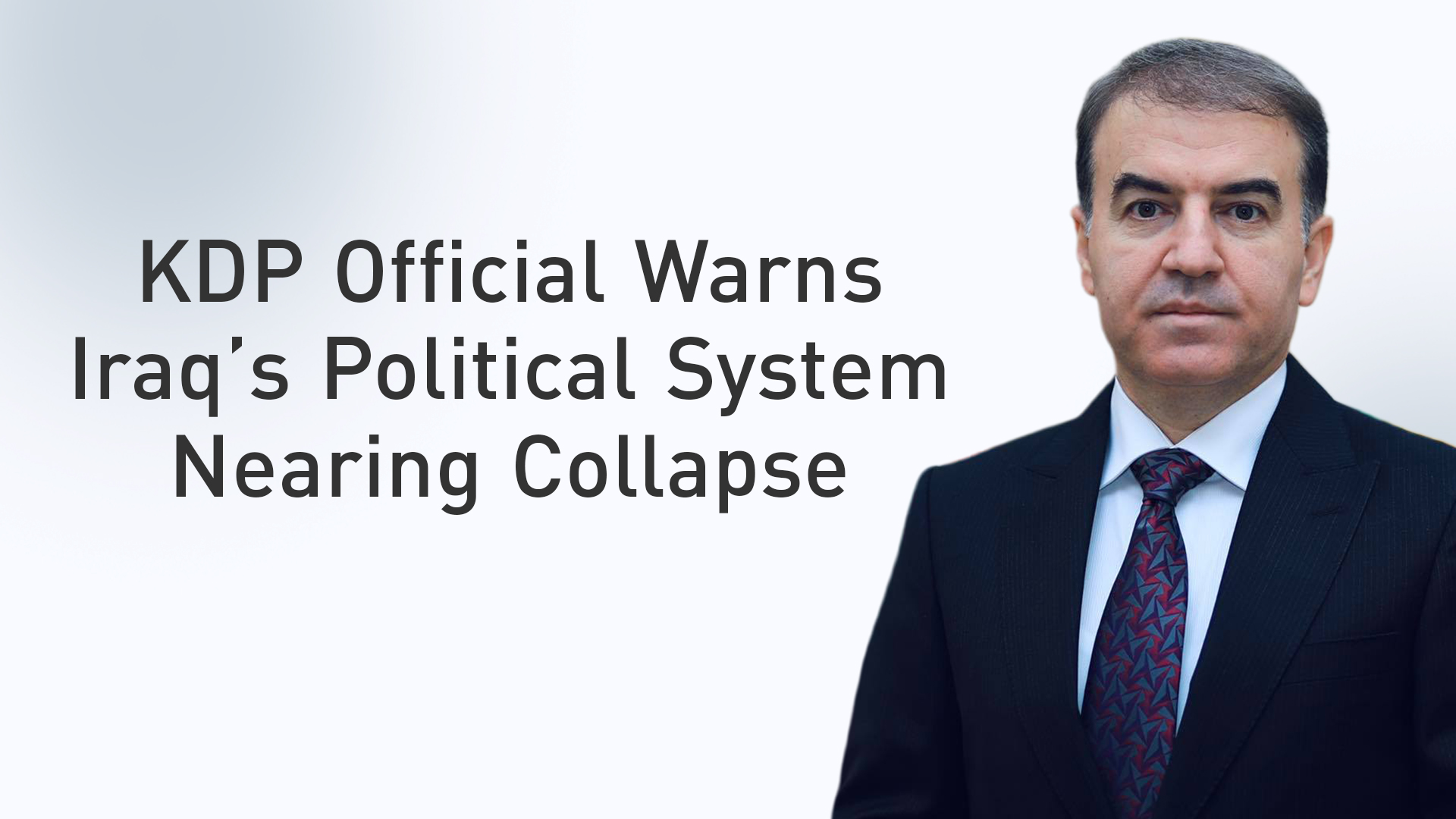
ERBIL (Kurdistan24) - As Iraq navigates another turbulent phase of political negotiations and government formation, Kurdistan Democratic Party (KDP)'s Member of the Politburo, Hemin Hawrami warned on Wednesday that the country’s political system is edging toward collapse due to the persistent failure to implement the constitution and honor political agreements.
Speaking during a special panel titled “Iraq Dialogue 2026,” held in the United States on Wednesday, Hawrami delivered a detailed assessment of Iraq’s current political climate and the increasingly strained relationship between Erbil and Baghdad.
The KDP Politburo member described Iraq’s crisis as “systemic,” stressing that temporary solutions are no longer sufficient to stabilize the country.
He argued that any meaningful resolution must emerge through a comprehensive political process involving all Iraqi communities and national components in order to establish genuine and lasting stability.
‘Only four out of 67 points implemented’
In one of his sharpest criticisms, Hawrami revealed the scale of what he described as Baghdad’s failure to fulfill commitments made to the Kurdistan Region.
According to Hawrami, nearly 50 constitutional articles remain ignored and unimplemented. He further stated that from the 20 political points agreed upon with Iraqi Prime Minister Mohammed Shia al-Sudani, only a limited number have seen partial progress.
He added that out of 67 points included in the Iraqi government program concerning the Kurdistan Region, only four have been implemented.
“That means only five percent of the agreements have entered the implementation phase,” Hawrami said, warning that this extensive neglect has fueled a growing crisis of mistrust and continuous instability across Iraq.
Addressing why Iraq’s political disputes repeatedly remain unresolved, Hawrami argued that the core problem does not lie with individual prime ministers, but rather within the broader political environment governing Baghdad.
As an example, he referenced former Iraqi Prime Minister Adil Abdul-Mahdi, stating that despite maintaining positive relations with the Kurdistan Region, the surrounding political climate prevented any lasting solutions from being achieved.
Hawrami also emphasized that the Kurdish parties maintain a political agreement with the Coordination Framework and expressed hope that the alliance would remain committed to implementing the agreement in accordance with the Iraqi constitution.
Responding to claims that the Kurdistan Region has relinquished some of its powers, Hawrami insisted that any concerns or disputes must be resolved exclusively through dialogue rather than through pressure tactics or budget cuts.
Broader concerns over Iraq’s political trajectory
Hawrami’s remarks came amid broader discussions surrounding the formation of Iraq’s next government and ongoing negotiations between the country’s political blocs.
Earlier on Wednesday, in an interview with Kurdistan24, Mohammed Abbas Tai, spokesperson for the Sovereignty Alliance, stated that both external and internal political agreements had been reached to facilitate the formation of a new Iraqi government led by Ali Zaidi.
Tai said the Sunni political bloc had formally submitted its conditions and demands to the designated prime minister in order for them to be incorporated into the incoming government’s program.
He also stressed the importance of implementing a general amnesty law, resolving the issue of missing persons and detainees, addressing demographic changes, and facilitating the return of displaced people.
Tai acknowledged that previous Iraqi governments had failed to implement several promises made not only to Sunni factions but also to Kurdish parties, underlining what he described as a recurring pattern of unfulfilled political commitments in Baghdad.
The latest statements highlight the widening concerns among Iraq’s political actors over the durability of the country’s power-sharing system, as unresolved constitutional disputes, delayed agreements, and deepening mistrust continue to challenge political stability between Erbil and Baghdad.