Trump Delays Iran Assault Amid Fragile Diplomatic Push
Iran warned it could open “new fronts” if attacked as regional mediation efforts intensified following Donald Trump’s decision to postpone a major strike on Tehran.

Erbil (Kurdistan24) - The Middle East remained in a state of heightened tension on Tuesday, after US President Donald Trump said he had postponed a “very major attack” on Iran to allow more time for diplomacy and mediation efforts aimed at ending the regional war.
According to a report published by The New York Times on Tuesday, Trump said on Monday that he had authorized a major military strike against Iran scheduled for Tuesday but delayed the operation after leaders from Qatar, Saudi Arabia, and the United Arab Emirates requested additional time to pursue negotiations regarding Iran’s nuclear program.
Trump said there was still a “very good chance” of reaching an agreement with Tehran, while simultaneously warning that the US military remained prepared for a “full, large-scale assault” if diplomacy failed.
Iran did not immediately respond directly to Trump’s remarks, but on Tuesday, Brig. Gen. Mohammad Akraminia, spokesperson for the Iranian army, warned that any new American attack would lead Tehran to open “new fronts” using “new tools and methods,” according to Iran’s state news agency IRNA.
“The Iranian army considers the ceasefire period as a period of war and has used this opportunity to strengthen its combat capabilities,” Akraminia said.
The New York Times report stated that the fragile monthlong ceasefire, which began in April 2026, has come under growing pressure in recent days, while indirect diplomatic efforts led by Pakistan continue behind the scenes.
Iranian state media reported that Pakistani Interior Minister Mohsin Naqvi met Iranian Foreign Minister Abbas Araghchi in Tehran on Monday evening to discuss efforts aimed at ending the war.
According to Iran’s semi-official Tasnim news agency on Tuesday, Naqvi’s reported two-day visit, which reportedly began on Sunday, formed part of Pakistan’s attempts to “facilitate dialogue and promote regional peace.”
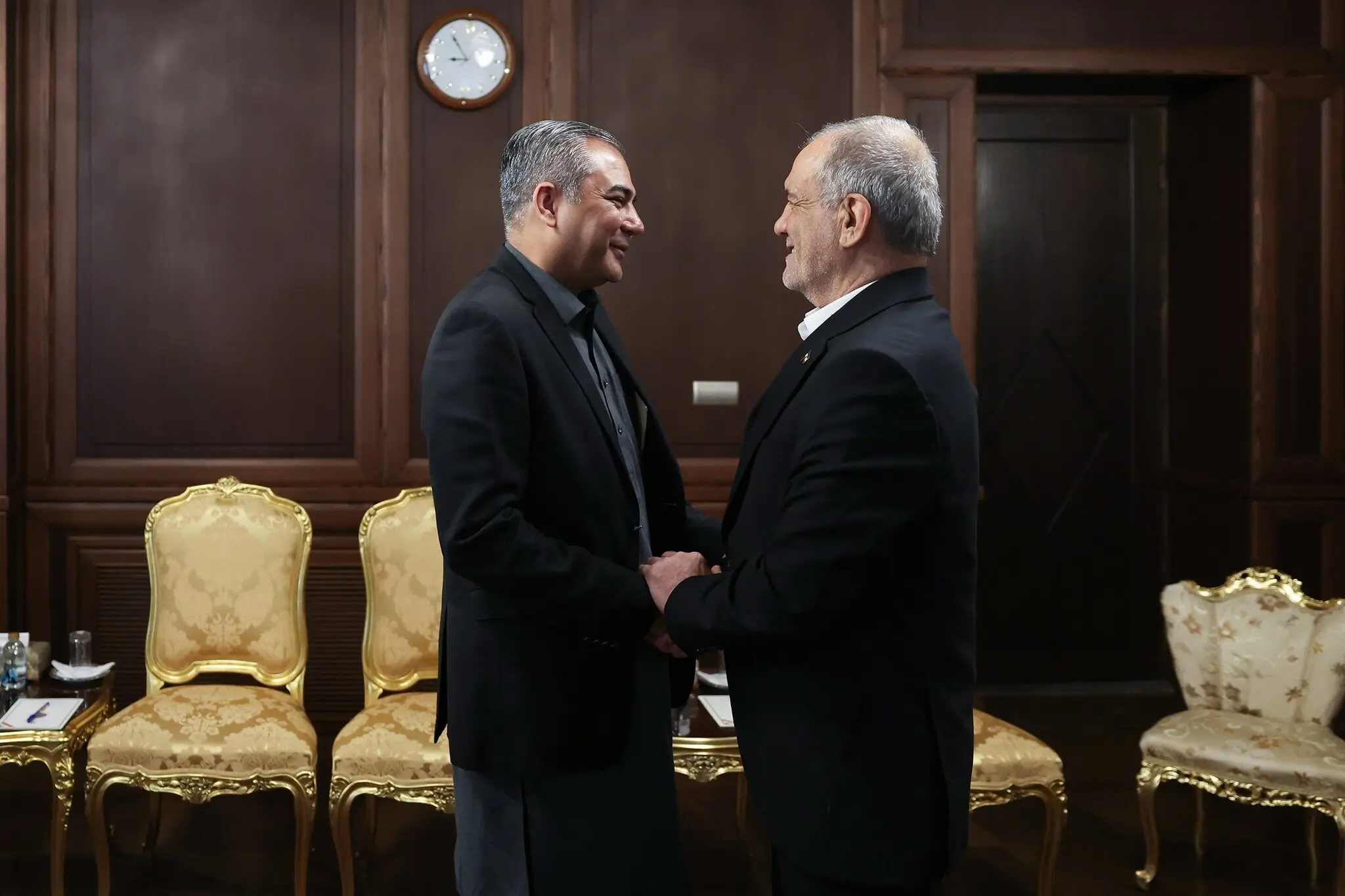
The Pakistani government has not publicly commented on the visit.
The report also noted that negotiations remain deadlocked over Iran’s nuclear program and the Strait of Hormuz, one of the world’s most critical energy transit routes, which Iran has effectively closed since the early stages of the war in March 2026, sending shockwaves through global energy markets.
US officials have continued accusing Iran of using the ceasefire period to reorganize militarily.
According to the New York Times report, a US military official said Tehran has used the pause in fighting to recover ballistic missile sites damaged during earlier strikes, relocate mobile missile launchers, and adjust military tactics in preparation for renewed confrontation.
The war, which began on Feb. 28, 2026, with coordinated US and Israeli strikes on Iran, is now entering its third month.
US military officials cited by the New York Times on Tuesday said Tehran has demonstrated resilience despite suffering major damage and still maintains the ability to impose significant economic and strategic costs on the wider region and global markets.
The latest tensions also follow recent attacks reported on Iran’s Qeshm Island earlier in May 2026 and renewed concerns surrounding Kharg Island, Iran’s main oil export terminal, as fears grow that future escalation could increasingly target energy infrastructure and maritime routes across the Gulf.