Closed Strait, Falling Prices, Rising Hunger: The Global Cost of the US-Iran Standoff
The standoff between Washington and Tehran is no longer just a regional security story — its consequences are being felt in kitchens, fuel pumps, and streets across the world
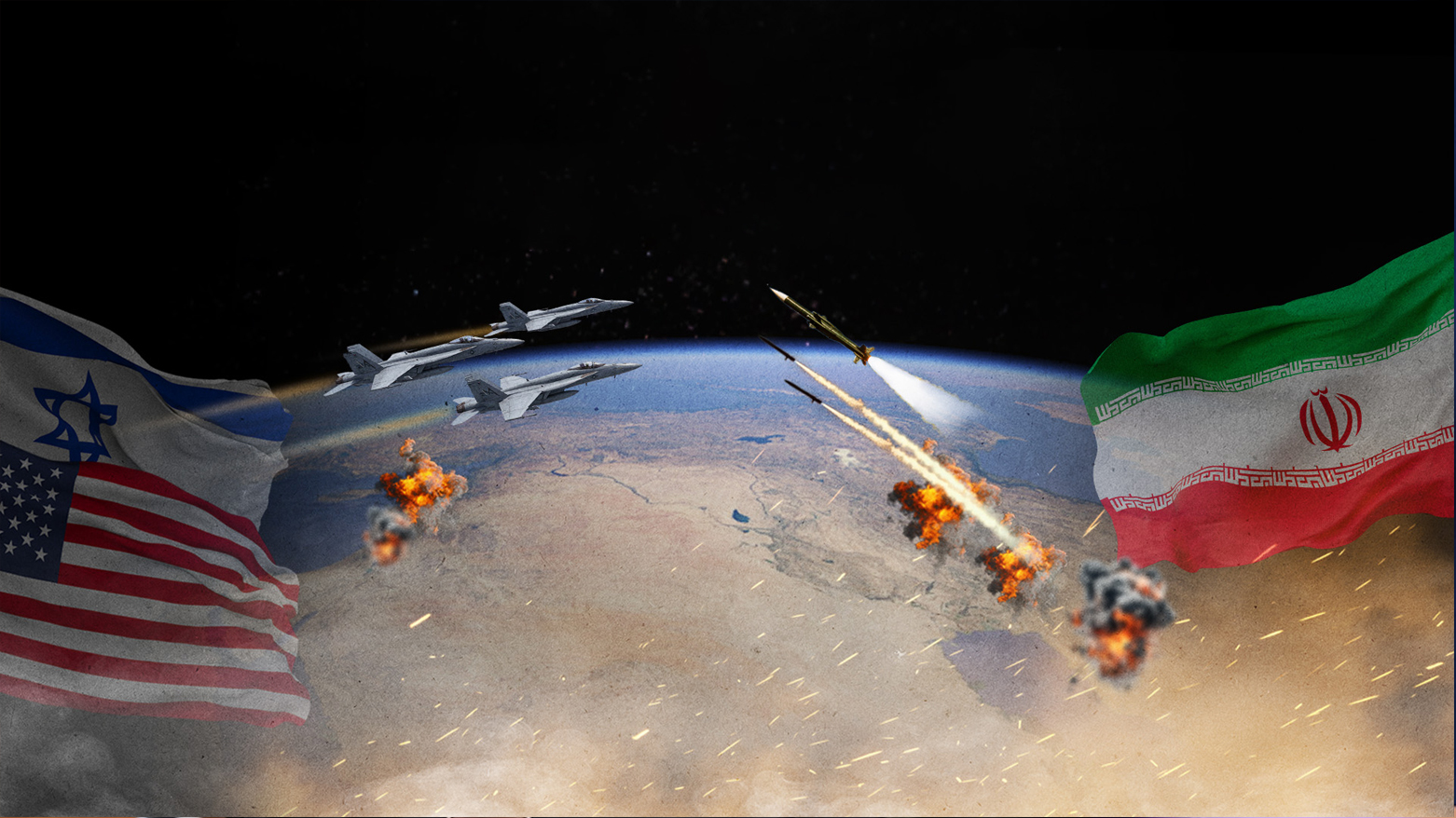
ERBIL (Kurdistan24) - The rhetoric between Washington and Tehran has not softened, but it is the silence of the Strait of Hormuz — still closed — that is now doing the most damage.
As indirect negotiations between the United States and Iran continue through Pakistani mediators, the economic consequences of their standoff are cascading far beyond the Middle East, driving down oil prices, threatening global food supplies, and pushing vulnerable populations toward the breaking point.
On Wednesday, global oil prices fell by more than five percent amid cautious hopes that diplomacy could avert another military confrontation. But the same day, the United Nations Food and Agriculture Organization warned that the continued closure of the strait could trigger what it described as "a severe global food price crisis" and a wider "systemic agrifood shock" — a stark reminder that roughly one-third of the world's fertilizer trade passes through waters that remain effectively shut.
The strain is already visible on the ground. In Kenya, rising fuel import costs have severely disrupted public transportation, pushing citizens onto the streets in protest.
Kenyan Interior Minister Kipchumba Murkomen confirmed that four people were killed and more than 30 injured during Wednesday's unrest — a death toll that underscores how a confrontation between two distant powers can exact a lethal price thousands of kilometers away.
The strait, which under normal conditions handles around one-fifth of the world's oil and liquefied natural gas shipments, has become the fulcrum on which entire economies are now balancing.
Against that backdrop, negotiations are continuing. Pakistan's interior minister was expected to travel to Tehran again — his second visit in less than a week — as Islamabad presses on with its mediation role between the two sides.
Trump told reporters on Wednesday that talks were in their "final stages," striking a tone that was equal parts optimistic and menacing.
"We'll either have a deal or we're going to do some things that are a little bit nasty. But hopefully that won't happen," he said, adding that he preferred "few people killed, as opposed to a lot."
A ceasefire reached on April 8 ended weeks of direct US-Israeli military conflict with Iran that had rattled global markets.
But the end of active fighting has not translated into calm, and both sides have kept their sharpest language within reach.
Iranian officials showed no sign of stepping back from their own positions. Mohammad Bagher Ghalibaf, Iran's chief negotiator, accused Washington of pursuing military objectives beneath the surface of its economic and political pressure campaign.
"The enemy's movements, both overt and clandestine, show that despite economic and political pressure, it has not abandoned its military objectives and is seeking to start a new war," he said in an audio message carried by Iranian media.
Iran's Islamic Revolutionary Guard Corps went further, warning that any renewed aggression would expand in scope.
"If the aggression against Iran is repeated, the promised regional war will this time spread far beyond the region, and our devastating blows will crush you," the Revolutionary Guards said.
Israel, meanwhile, said it was not standing down. Military chief Eyal Zamir confirmed that Israeli armed forces remained at their "highest alert level" and were prepared for any developments.
Saudi Foreign Minister Faisal bin Farhan Al Saud praised Trump for "giving diplomacy a chance" and urged Iran to seize what he called an opportunity to avoid the dangerous consequences of further escalation — a signal that regional actors are watching the next moves closely.
With fertilizer shipments stalled, fuel prices climbing, and negotiators still circling a deal, the Strait of Hormuz has become more than a flashpoint. It is now a barometer for whether the world's most consequential diplomatic standoff will resolve — or detonate.