Iran Tightens Control Over Strait of Hormuz with New Permit Rules
Tehran announced new regulations requiring vessels crossing the Strait of Hormuz to obtain authorization from a newly designated Iranian authority
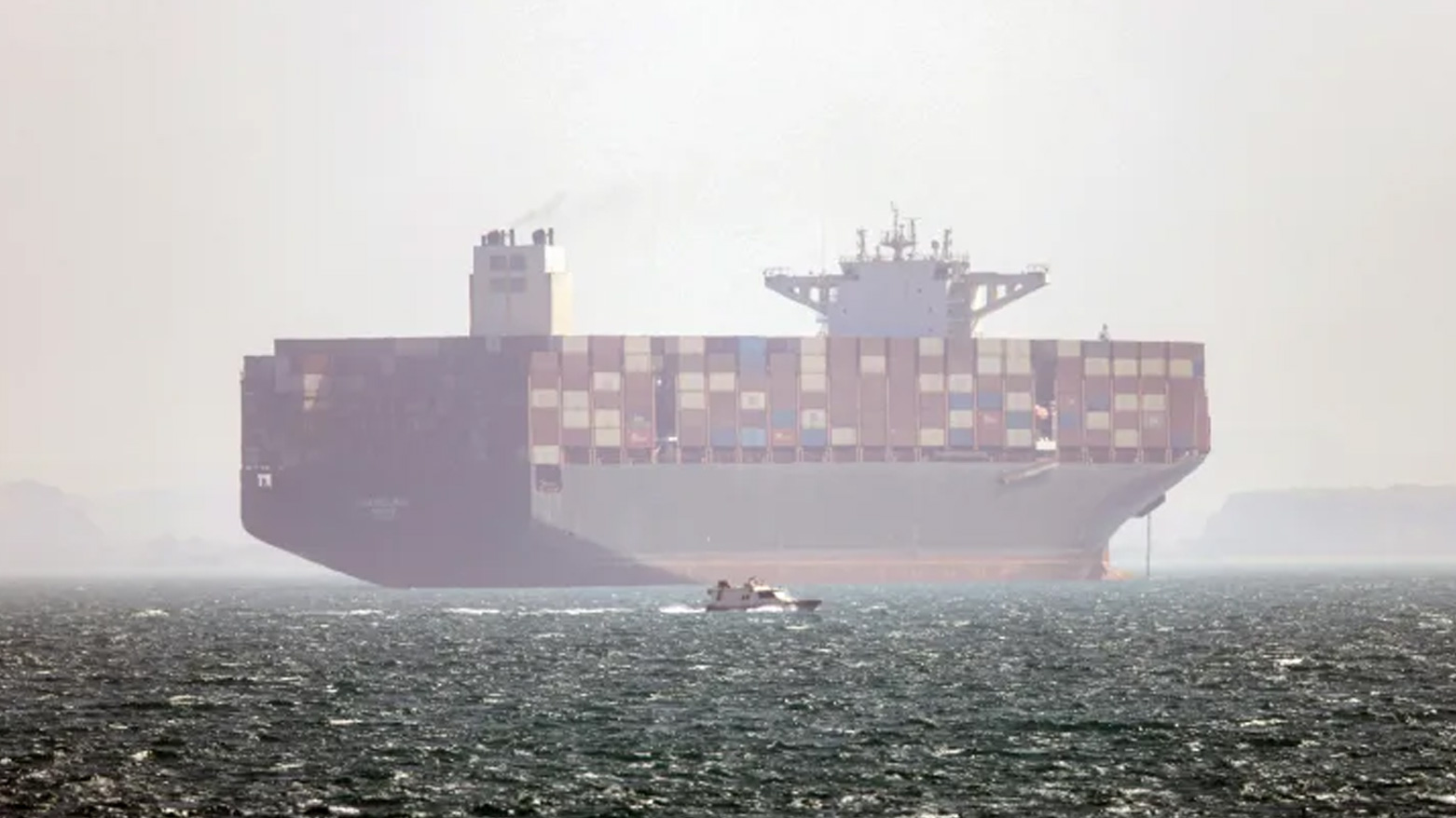
ERBIL (Kurdistan24) - Iran has unveiled a new maritime control framework for the Strait of Hormuz, introducing mandatory permit and coordination requirements for vessels transiting the strategic waterway amid escalating regional tensions and mounting pressure on global energy routes.
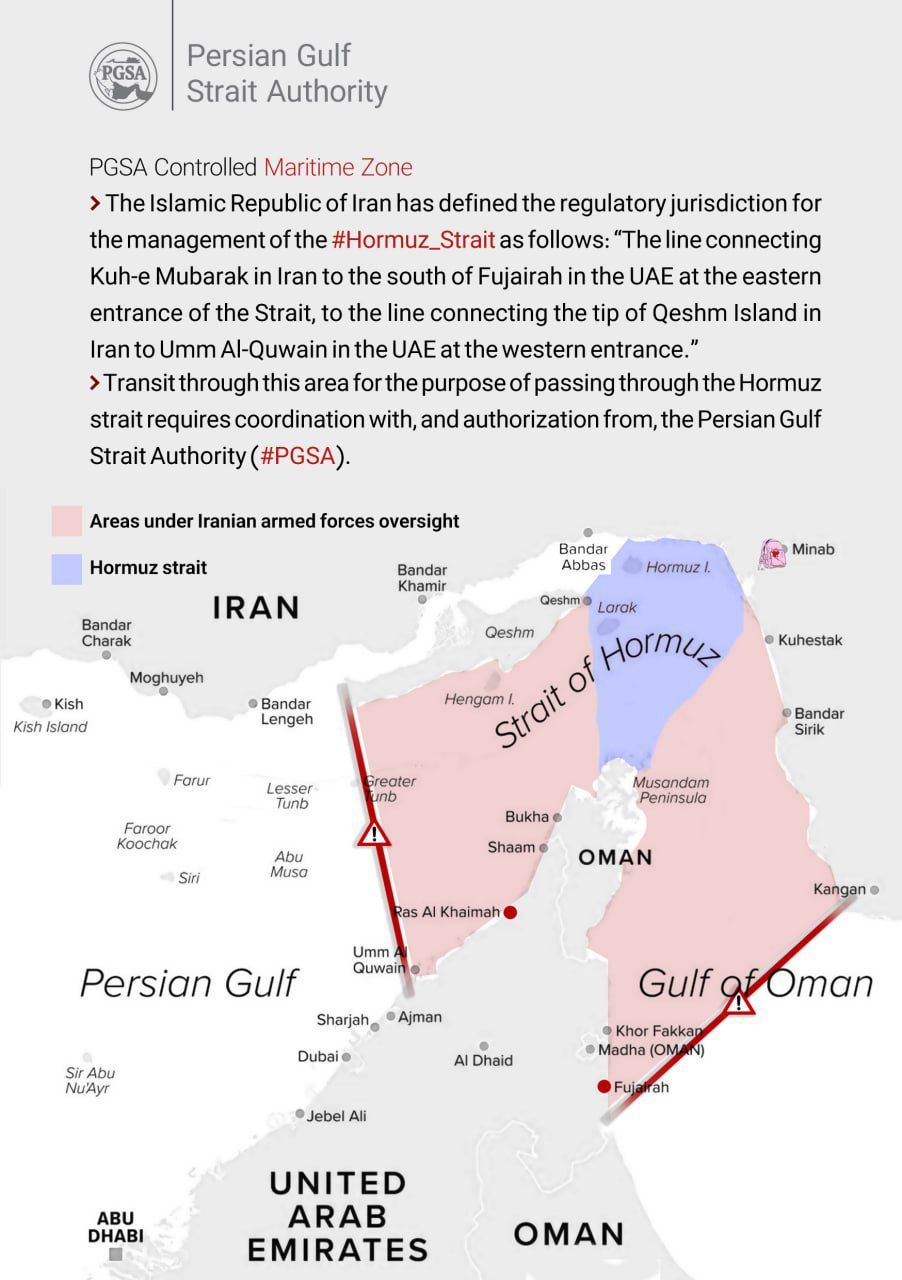
The announcement was issued by the Official Account of the Iranian Persian Gulf Strait Authority (PGSA) on X, where Iranian authorities published what they described as the newly defined “management supervision area” for the Strait of Hormuz.
According to the statement, the Islamic Republic of Iran has established the boundaries of the regulatory zone “from the line connecting Kuh Mobarak in Iran and the south of Fujairah in the UAE at the eastern entrance of the strait, to the line connecting the tip of Qeshm Island in Iran and Umm al-Quwain in the UAE at the western entrance.”
Iranian authorities further stated that all vessels passing through the designated area must coordinate with the Persian Gulf Strait Authority and obtain authorization before transiting the Strait of Hormuz.
A graphic accompanying the announcement reiterated that passage through the waterway now requires “coordination with, and authorization from, the Persian Gulf Strait Authority (PGSA).”
Reuters Reveals Expanding Iranian Enforcement System
The announcement came as Reuters published a report describing what it called a “multi-tiered system” enforced by Iran for vessels crossing the Strait of Hormuz.
According to Reuters, Iran has expanded its operational control through island checkpoints, security inspections, diplomatic coordination, and, in some cases, financial arrangements in exchange for safe passage through the waterway.
The report stated that the United States had warned governments and shipping companies against complying with Iran’s newly imposed controls, while several states and commercial operators were nevertheless choosing to proceed through Iranian-managed channels to maintain energy shipments.
Reuters cited the case of the oil tanker Agios Fanourios I, a 330-meter vessel carrying Iraqi crude oil to Vietnam. The tanker reportedly departed after what Reuters described as a direct arrangement with Iran overseen by Iraq’s prime minister.
During its transit, the vessel navigated along routes designated by Iran near island checkpoints in the strait. Reuters reported that the tanker was later stopped by speedboats belonging to Iran’s Islamic Revolutionary Guard Corps (IRGC) near Hormuz Island over suspicions of smuggled cargo before eventually being allowed to continue.
The incident reportedly turned what is usually a five-hour passage into a two-day transit.
The new measures underscore growing instability surrounding the Strait of Hormuz, a critical maritime corridor through which a significant portion of the world’s oil and liquefied natural gas supplies pass.
The latest developments come as regional tensions continue following recent military escalation involving Iran, the United States, and Israel, while concerns mount over global energy security and shipping disruptions across the Gulf region.