'We're Not There Yet': Rubio Tempers Iran Deal Hopes
Rubio praised Pakistan's mediating role and acknowledged diplomatic movement, but warned Iran must fully relinquish its nuclear ambitions
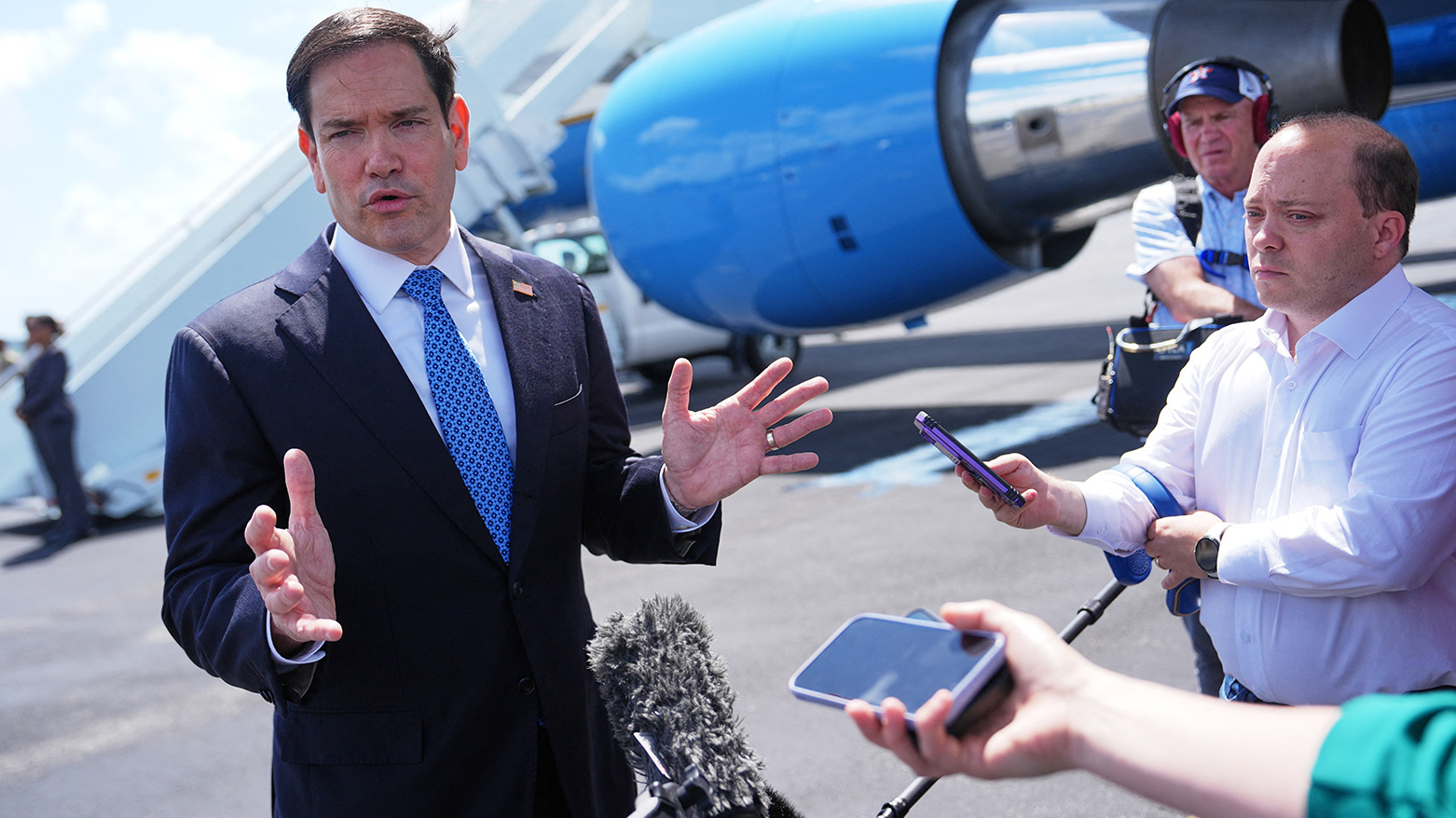
ERBIL (Kurdistan24) - Standing before reporters at a NATO foreign ministers' meeting in Helsingborg, Sweden, on Friday, US Secretary of State Marco Rubio offered a carefully calibrated assessment of where negotiations with Iran stand — neither triumphant nor defeated, but edged with warning.
"There's been some progress. I wouldn't exaggerate it. I wouldn't diminish it," Rubio said. "There's more work to be done. We're not there yet. I hope we get there."
Rubio singled out Pakistan for praise, acknowledging that Washington is in constant communication with Islamabad, which has been facilitating the talks between the two sides. Hours after his remarks, the significance of that channel became tangible: Pakistan Field Marshal Asim Munir departed for an official visit to Tehran on Friday, according to security sources who spoke to AFP.
"Munir has left today for an official visit where he will have meetings with Iranian leadership," the sources said, a development that underscores Islamabad's increasingly active role as the principal intermediary in one of the most consequential diplomatic standoffs of the year.
Washington's core demands
Rubio was explicit about what the United States requires before any agreement can be concluded. The central issue, he said, remains Iran's nuclear program: Tehran cannot be permitted to possess a nuclear weapon, and the question of future uranium enrichment must be resolved. He also cited the reopening of the Strait of Hormuz — closed to international shipping since the conflict began — as a non-negotiable element of any final settlement.
President Donald Trump, Rubio said, would prefer a negotiated outcome, but has not foreclosed other options. "We're dealing with a very difficult group of people, and if it doesn't change, then the president's been clear he has other options," Rubio said. "He prefers the negotiated option and having a good deal, but he himself has expressed concern that maybe that's not possible. But we're going to keep trying."
A Plan B for Hormuz
On the question of the strait, Rubio said no formal request had been made to NATO allies on Friday for assistance with the Strait of Hormuz, but acknowledged that a contingency plan would be necessary if Iran continued to refuse to reopen the vital waterway.
The remarks come against a backdrop of deepening maritime tension. The US military has seized at least five Iranian-flagged or Iranian-linked oil tankers since mid-April, part of a broad enforcement campaign that has ensnared more than 1,550 vessels from 87 countries operating in the Gulf. Iran, for its part, has warned that escalation could draw the Bab al-Mandeb strait into the conflict — a development analysts say could send oil prices past $250 a barrel and fundamentally disrupt global energy supply chains.
Nearly three months have passed since US and Israeli airstrikes on Feb. 28 triggered the current crisis. In that time, the two sides have traded maximum pressure for maximum pressure — Washington tightening its maritime blockade, Tehran threatening to widen the theatre of disruption — while Pakistani mediation has provided the only sustained diplomatic channel between them.
Whether Field Marshal Munir's visit to Tehran can translate that channel into a breakthrough remains to be seen. As Rubio put it plainly from Sweden: "We're not there yet."