Lebanon Condemns Israeli “Aggression” After Beaufort Castle Seizure Sparks UN Meeting
Escalation in southern Lebanon fuels diplomatic alarm as Israel expands operations and Hezbollah exchanges fire amid fragile truce
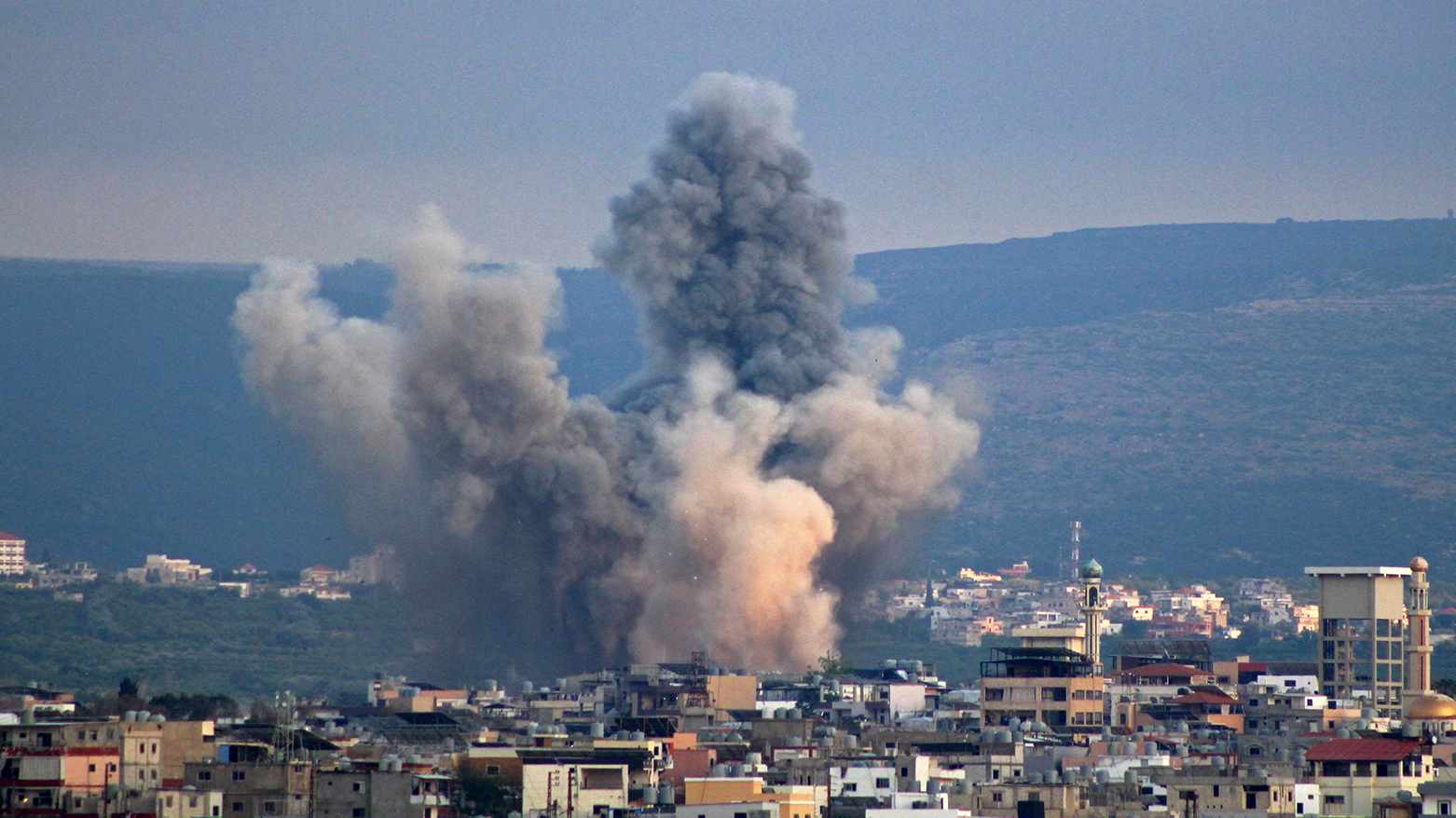
ERBIL (Kurdistan24) — Lebanese President Joseph Aoun on Monday condemned what he described as a “vicious and reprehensible Israeli aggression,” after Israeli forces seized the medieval Beaufort Castle in southern Lebanon during an expanded offensive against Hezbollah.
In a statement posted on X, Aoun denounced the escalation and vowed that his government would “work to end the suffering of the Lebanese people, and people in the south in particular,” as hostilities intensify along the border.
The development prompted diplomatic alarm, with the United Nations Security Council expected to hold an emergency session on Monday to address the rapidly deteriorating situation in Lebanon, according to diplomatic sources cited by AFP.
Israeli Prime Minister Benjamin Netanyahu described the capture of Beaufort Castle—known locally as Qalaat al-Chakif—as a “dramatic shift” in Israel’s military campaign against Hezbollah.
In a video statement, Netanyahu said Israeli forces were acting with renewed determination and signaled plans to deepen operations inside Lebanese territory.
“We have returned united, determined and stronger than ever,” Netanyahu said, adding that Israeli forces would expand their hold over areas previously under Hezbollah control.
The Beaufort site, a medieval fortress that overlooks key positions in southern Lebanon, was previously used by Israeli forces during their 18-year occupation of the region, which ended in 2000. Its seizure has intensified fears of wider escalation, with reports of shelling and smoke rising around the area during the operation.
France, which requested the emergency Security Council meeting, warned against further escalation. President Emmanuel Macron said “nothing justifies the major escalation underway in south Lebanon,” urging an immediate halt to hostilities.
The current fighting unfolds against the backdrop of a truce declared on April 17 between Israel and Hezbollah, which has never fully taken hold. Both sides have repeatedly accused each other of violations and have continued exchanges of fire almost daily.
Violence has intensified in recent days. On Sunday, an Israeli strike on Deir Zahrani in southern Lebanon killed eight people, including three women, according to Lebanon’s health ministry. In parallel, Hezbollah said it targeted Israeli forces near Beaufort Castle as well as positions in northern Israel, including Shlomi and Nahariya, where air raid sirens were reported.
Diplomatic efforts to de-escalate the conflict are ongoing. A senior U.S. official told AFP that U.S. Secretary of State Marco Rubio held separate talks with both Aoun and Netanyahu, emphasizing a proposed sequence under which Hezbollah would first halt its attacks, followed by a freeze on Israeli strikes in Beirut.
Military delegations from Lebanon and Israel held security discussions in Washington on Friday, with further U.S.-brokered talks expected next week.
Despite these diplomatic initiatives, the capture of Beaufort Castle and Israel’s stated intention to expand its military presence in southern Lebanon mark a significant escalation, further straining an already fragile regional security environment.