Iran’s IRGC Claims Missile, Drone and Naval Strikes Against U.S. Forces and Commercial Vessel in Gulf
Tehran warns disruption of Hormuz security would carry a “heavy cost” for U.S. forces as regional tensions escalate
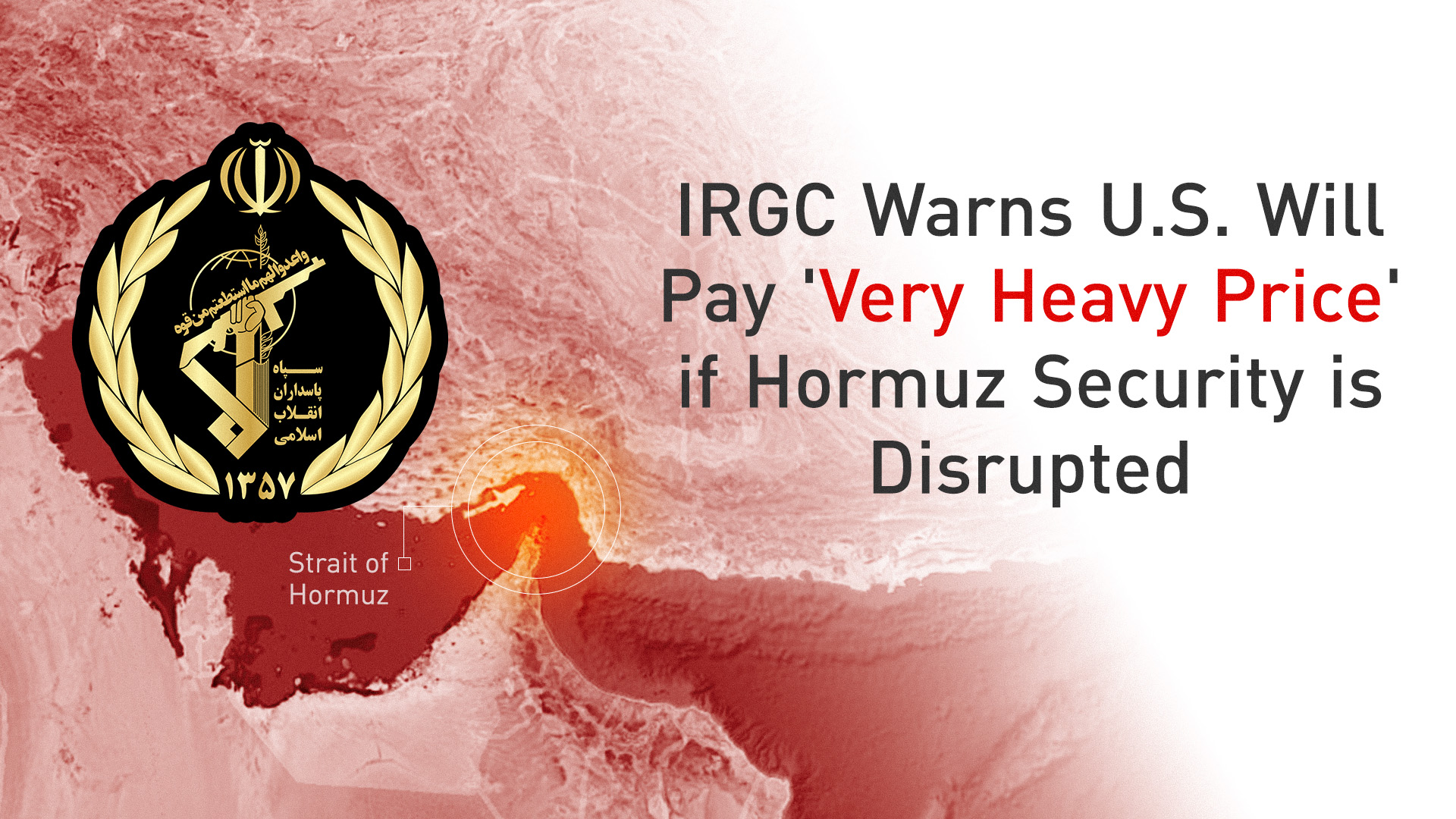
ERBIL (Kurdistan24) — Iran's Islamic Revolutionary Guard Corps (IRGC) announced on Wednesday that it had carried out a series of naval and aerial attacks against U.S. forces and a commercial vessel in the Gulf region, describing the operations as retaliation for recent American strikes against Iranian interests near the Strait of Hormuz.
In a statement, the IRGC said the latest escalation began late Tuesday night after what it described as a U.S. attack on an Iranian oil tanker near the Strait of Hormuz.
According to the statement, a U.S. military strike targeted the vessel with an air-launched missile, damaging its engine compartment but not sinking the ship.
The IRGC said its naval forces subsequently launched a missile attack against a commercial vessel identified as “Banaya,” which it described as an Israeli-American ship. Iranian authorities alleged the vessel had violated navigation regulations in the Strait of Hormuz.
The statement also claimed that U.S. forces targeted one of the IRGC’s communications towers in the southern part of Qeshm Island in a separate strike.
In response, the IRGC said its aerospace forces launched a large-scale operation involving missiles and drones against what it described as a U.S. aircraft and helicopter staging base in a regional country. The force also claimed to have targeted the headquarters of the U.S. Navy’s Fifth Fleet.
The IRGC did not provide details regarding the extent of damage caused by the attacks or whether there were any casualties.
In the final section of its statement, the IRGC reiterated previous warnings that any further military action against Iran would be met with stronger responses.
“The attacks carried out today demonstrate that promise,” the statement said, while also delivering a stern warning to Washington.
The force further declared that any disruption to security in the Strait of Hormuz would impose a “very heavy cost” on U.S. forces, underscoring the strategic significance of one of the world's most important maritime chokepoints for global energy supplies.
The claims come amid heightened military tensions across the Gulf, where Iran and the United States have exchanged accusations following a series of missile, drone and maritime incidents in recent days. Independent verification of all claims made by either side remains difficult as the situation continues to develop.
In a series of statements posted on X on Wednesday, CENTCOM said American forces successfully defeated several Iranian missile and drone attacks launched late Tuesday, including projectiles aimed at regional neighbors and U.S. military positions.
According to the command, Iran launched several ballistic missiles toward countries in the Gulf region, but none reached their intended targets. Two missiles fired toward Kuwait either fell short or broke apart during flight, while three missiles launched at Bahrain were intercepted by a joint effort involving U.S. and Bahraini air defense forces.
CENTCOM also reported that its forces shot down three one-way attack drones launched by Iran toward civilian vessels transiting regional waters. In response to the attempted attacks, U.S. forces conducted self-defense strikes on an Iranian military ground control station located on Qeshm Island.
“No U.S. personnel were harmed,” CENTCOM said, adding that American forces remain prepared to defend against what it described as “unwarranted Iranian aggression” during the ceasefire period.