Republican Cracks Widen as GOP Lawmakers Break with Trump Ahead of Midterms
From the Iran war to domestic surveillance and a controversial White House fund, a growing faction of Republicans is showing a willingness to defy a president who once commanded near-total party loyalty
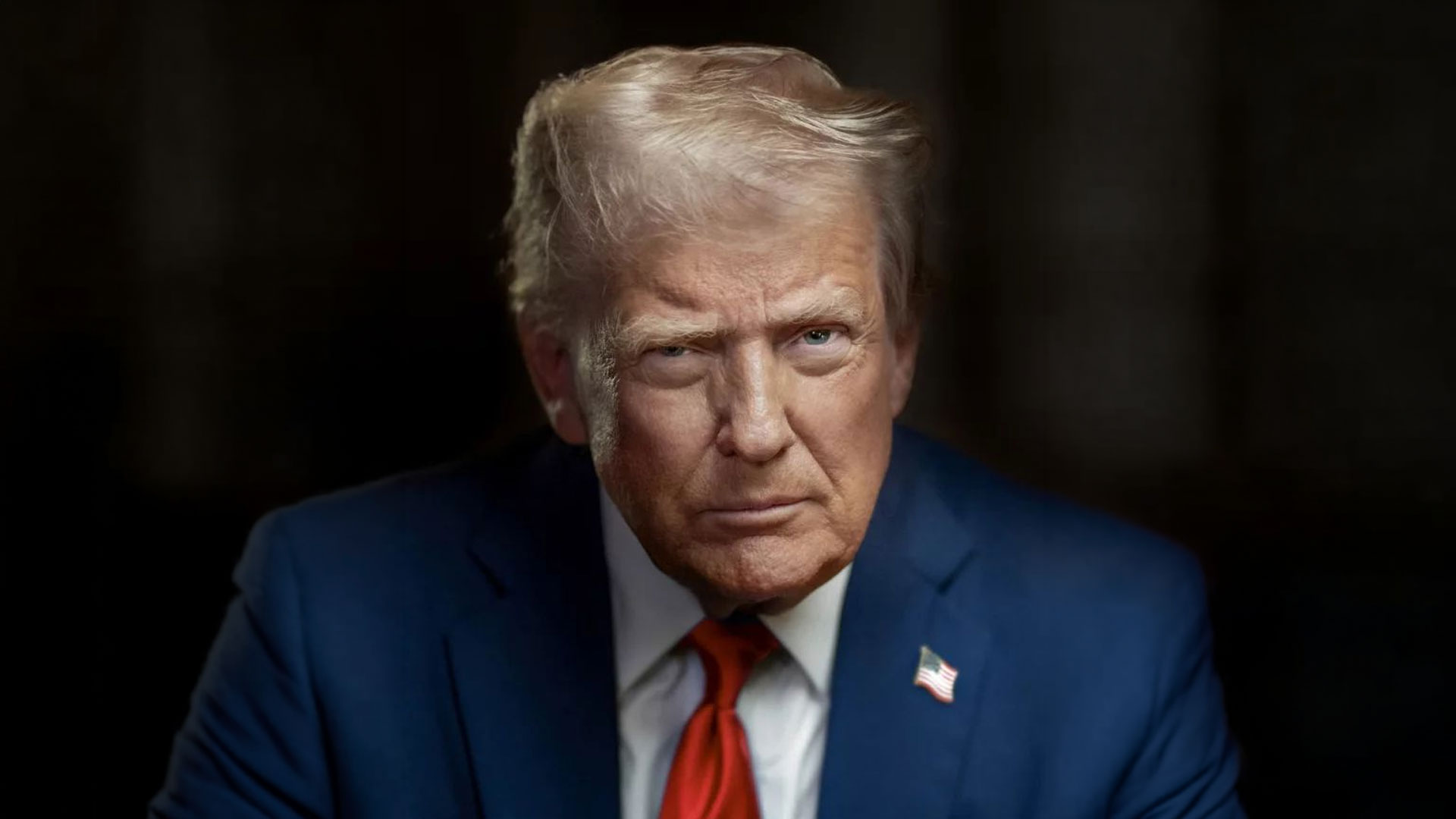
ERBIL (Kurdistan 24) - For much of his political career, Donald Trump has commanded a level of loyalty from Republican lawmakers that left little room for dissent. That dynamic is now shifting, and the cracks, once easy to dismiss as isolated episodes, are multiplying at a pace that is beginning to reshape the political landscape in Washington ahead of the 2026 midterm elections.
Congressional Republicans' loyalty to President Trump appears to have hit a breaking point, with his endorsement against one of their own and his controversial "anti-weaponization" fund creating new antagonists within the Senate GOP, presenting a potential arithmetic problem for Trump in the months ahead as Republicans look to defend their majorities on Capitol Hill.
A Week That Changed the Tone
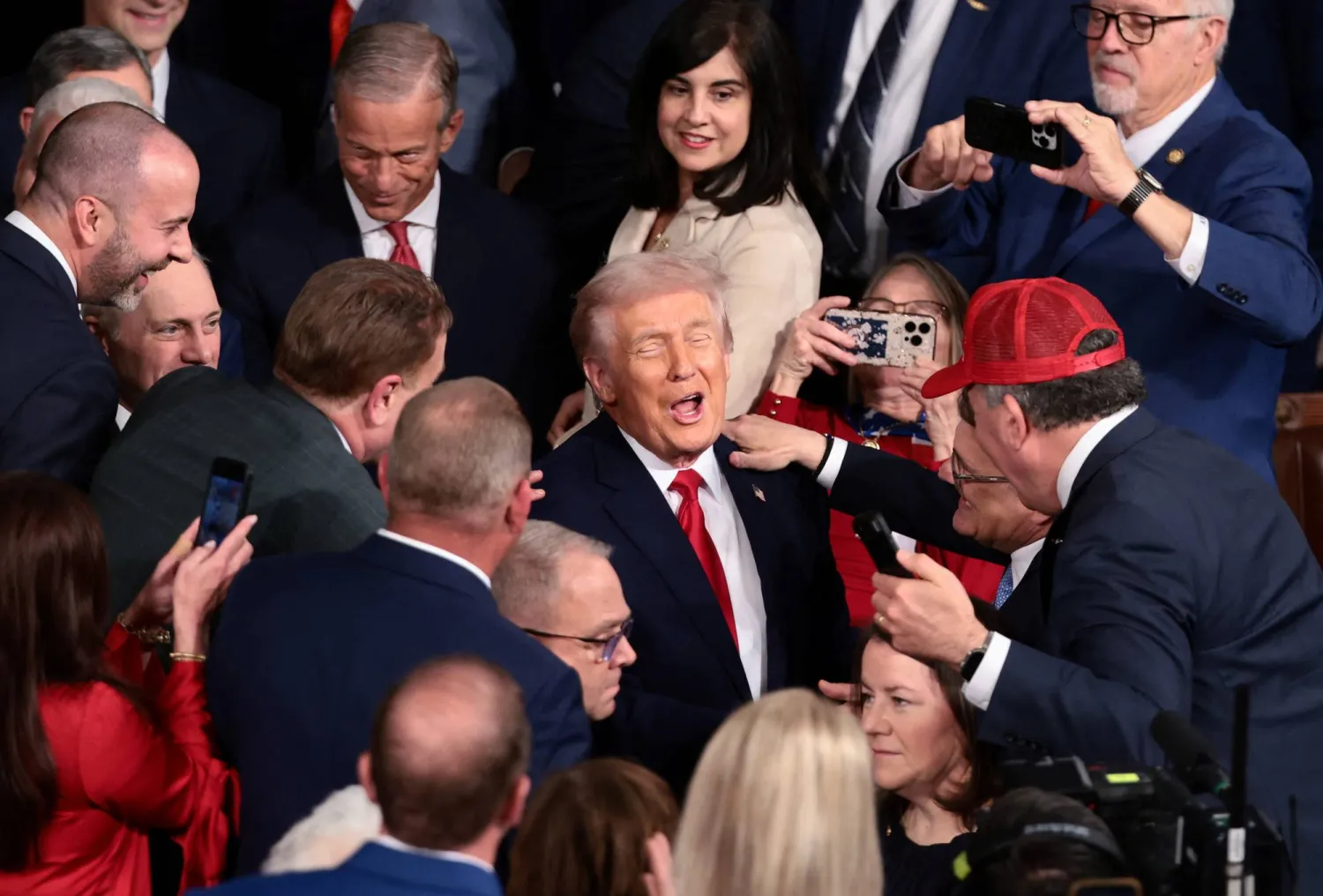
Within the span of a single week, multiple Republican factions in both the Senate and the House of Representatives moved in ways that would have been unthinkable just months ago. Lawmakers rebuked Trump's conduct of the war against Iran, rejected a request for one billion dollars in funding linked to a White House ballroom renovation, forced a retreat on his 1.8-billion-dollar "anti-weaponization" fund, and blocked legislation related to domestic surveillance authorities.
The House went further still, passing a bill to provide aid to Ukraine and impose new sanctions on Russia, a direct challenge to Trump's foreign policy posture that now appears headed for a presidential veto.
On Capitol Hill, Senate Republicans refused to advance a key bill because of concerns over the administration's "anti-weaponization" fund, prompting the acting attorney general to make an unplanned trip to the Capitol to personally argue the case for the fund.
The situation has left Republicans facing a sudden new problem with limited floor time to address it. The Senate is scheduled to be in session for just eight weeks before the August recess, followed by three weeks in the fall ahead of the midterms, while the House has just ten weeks of floor time remaining before the election.
The Inflection Point
Congressional insiders point to a specific moment when frustration within Republican ranks reached a tipping point. Trump's decision to actively campaign against the reelection of Senator John Cornyn, combined with the sudden announcement of the anti-weaponization fund, forced Senate Republicans to abandon a 70-billion-dollar immigration enforcement funding bill and leave Washington in a mood of open anger.
"That was kind of like a perfect storm of events," a Senate Republican aide said. The Senate ultimately passed the immigration enforcement bill days later, but the damage to intra-party relations had already been done.
Republican Senator Thom Tillis, who announced his retirement from the Senate after opposing Trump's signature "One Big Beautiful Bill," framed the shift in straightforward electoral terms. "I think what you're seeing as you get closer to the election is that people are going to vote the way they think their constituents want them to," he said.
Iran, the Economy, and the Midterm Math
Republicans hoping to keep control of Congress in a difficult election year have been thrown off balance by Trump's focus on foreign policy, pet projects, and statements dismissing the importance of cost-of-living concerns. As Republicans were trying to roll out messaging on tax cuts, Trump's actions in Iran dominated the headlines, and Trump in recent weeks has openly said that keeping control of Congress is not part of the calculus in his approach to Iran, stating "I don't think about Americans' financial situation" and "I don't care about the midterms."
The developments point to rare but notable resistance within the Republican Party as the 2026 midterms approach, underscoring growing unease among some Republicans over Trump's leadership, particularly on foreign policy and the limits of executive power, even as most of the party remains publicly aligned with him. Trump also suffered a blow at the ballot box when Iowa Republicans rejected his endorsed candidate in a gubernatorial primary, marking the first defeat for a Trump-endorsed candidate in a primary race for governor, the Senate, or the House.
The White House Pushes Back
The Trump administration has moved quickly to frame the dissent as noise rather than substance. One White House official, speaking on condition of anonymity, attributed Republican resistance to "election-year politics," saying that "not every single member will absorb the political cost on every single issue." White House spokeswoman Abigail Jackson went further, rejecting the premise of division entirely. "While the media and Democrats attempt to sow nonexistent divisions, we look forward to continuing this close relationship to continue fulfilling President Trump's agenda," she said.
Democrats, for their part, have been equally skeptical of the notion of a genuine Republican revolt. Senator John Fetterman, a Democrat who occasionally backs Trump-supported positions, argued that the lawmakers breaking with Trump are precisely those he had already moved against. "The people that are breaking with him are ones that were put out by Trump," Fetterman said. "That actually demonstrates his absolute control over the party."
Nomination Battles on the Horizon
Beyond the immediate legislative clashes, Republicans are bracing for a fresh confrontation over Trump's expected nomination of his former personal attorney Todd Blanche as permanent US Attorney General. The nomination faces a difficult path through the Senate Judiciary Committee, which includes Cornyn, now openly at odds with the president.
"The attorney general is not the president's private lawyer," Cornyn told reporters. "I want to make sure he understands the difference and is committed to making sure that the law is enforced."
Senate Majority Leader Mitch McConnell also made clear he would not back Trump's appointment of loyalist Bill Pulte as permanent Director of National Intelligence, stating that the law requires nominees with extensive relevant experience. "No nominee who falls short of this requirement will earn my vote," McConnell said.
Senate Majority Leader John Thune has subtly acknowledged a real rift in the relationship between the White House and the congressional Republican Party. At the same time, Trump, on separate occasions, did not dispute the premise that he may be losing control of the Senate GOP.
Whether the current turbulence represents a genuine realignment within the Republican Party or a temporary eruption of election-year anxiety remains the central question in Washington. What is no longer in question is that the wall of Republican unity Trump once relied upon has developed visible and widening fissures. With the midterms approaching, the political cost of maintaining that wall is rising for members whose own political survival may depend on keeping their distance.
| BRIEF: Republican dissent against Trump is widening ahead of the 2026 midterms, with Senate and House members breaking ranks over the Iran war, a controversial anti-weaponization fund, Ukraine aid, and key nominations. Trump and the White House have dismissed the resistance as election-year politics. |