Pentagon Raises Israeli Espionage Threat to Critical Level Amid Iran Peace Talks
US intelligence reports say Israel has stepped up eavesdropping on senior American negotiators, including Trump's top envoy Steve Witkoff, as diverging war aims strain one of Washington's closest alliances
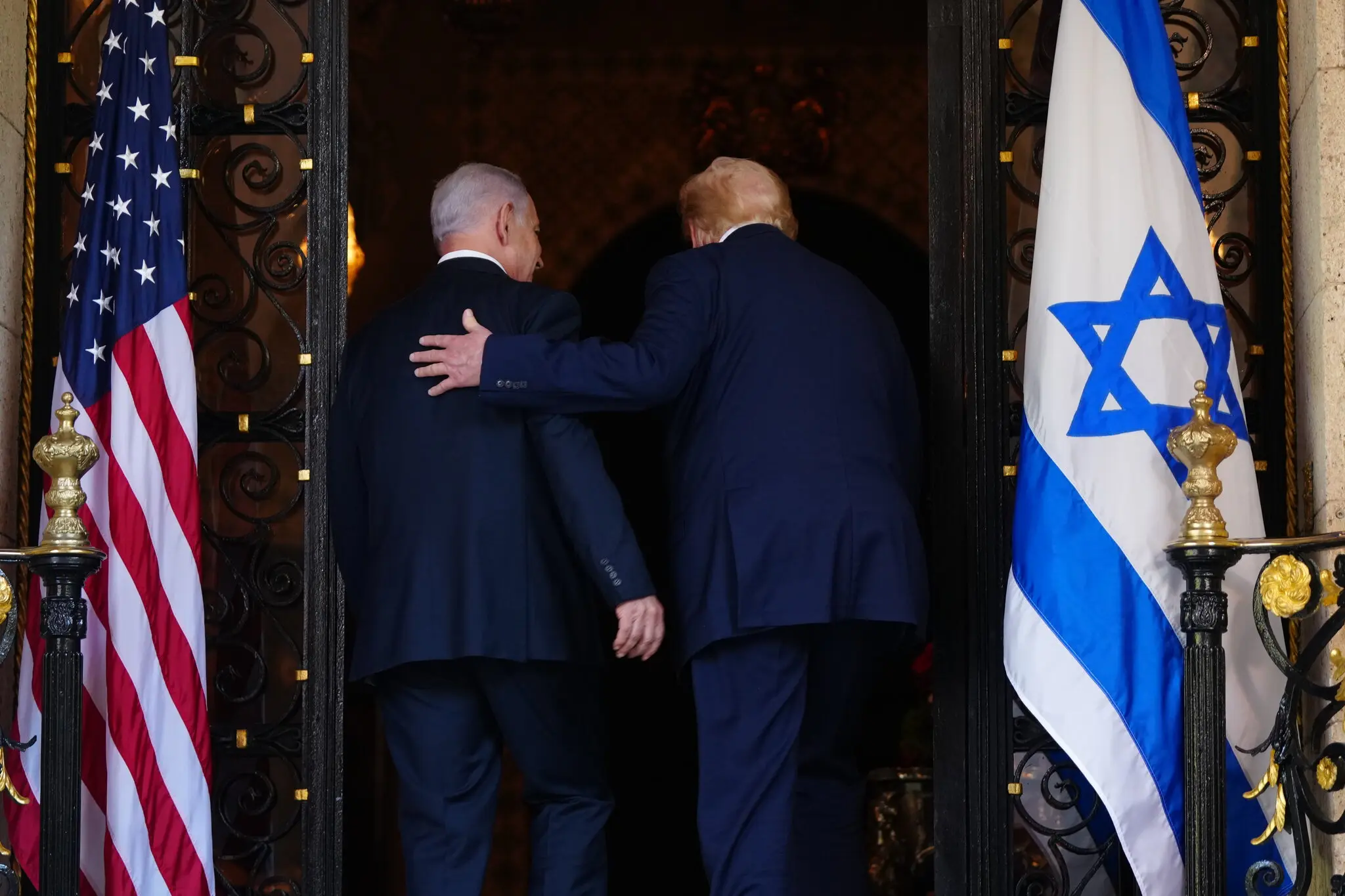
ERBIL (Kurdistan 24) – The U.S. Department of Defense has reportedly raised its counterintelligence threat assessment for Israel to its highest level, amid growing concerns that Israeli intelligence services have intensified efforts to monitor American officials involved in negotiations with Iran.
According to a report published by The New York Times on Saturday, recent U.S. intelligence assessments warn that Israel has increased surveillance activities targeting senior American officials, including U.S. special envoy Steve Witkoff, Pentagon policy chief Elbridge Colby, and senior Defense Department officials involved in Middle East policy.
The report cites intelligence findings indicating that Israel has sought insight into U.S. positions during ongoing negotiations with Iran, particularly as differences have emerged between Washington and Tel Aviv over the objectives of the conflict and the terms of a potential settlement.
A separate Defense Intelligence Agency assessment, cited by the newspaper, reportedly upgraded Israel’s counterintelligence threat level from “high” to “critical” in recent weeks. The assessment outlines multiple alleged espionage incidents involving Israeli intelligence agencies and American personnel over several years.
According to the report, U.S. defense personnel stationed in Israel recently detected surveillance software that had allegedly been installed on their phones, prompting renewed concerns about the security of communications involving American military and diplomatic officials.
The New York Times also reported that intelligence officials have raised concerns that Israeli agencies may have monitored discussions involving American negotiators seeking a long-term agreement with Iran. U.S. officials cited in the report said Israel appears particularly interested in understanding President Donald Trump’s negotiating strategy and Washington’s evolving position toward Tehran.
The allegations emerge despite unprecedented military coordination between the United States and Israel during the ongoing conflict with Iran. American and Israeli military personnel continue to work closely together through U.S. Central Command and joint operational structures, sharing significant tactical and operational intelligence.
However, U.S. officials quoted by the newspaper said that while military cooperation remains strong, concerns have grown over Israeli efforts to collect information on sensitive American decision-making processes rather than battlefield operations.
The report also references several alleged incidents cited in U.S. intelligence assessments, including claims that Israeli operatives attempted to place listening devices near U.S. government facilities and vehicles in previous years. Israel has strongly denied the allegations.
An Israeli Embassy spokesperson told the newspaper that Israel does not spy on American officials or institutions. A White House official also disputed aspects of the reporting.
The revelations come at a particularly sensitive moment as Washington continues indirect negotiations with Tehran over sanctions relief, frozen Iranian assets, nuclear restrictions, and regional security arrangements. While the United States and Israel remain closely aligned on countering Iran's military capabilities, differences have reportedly emerged regarding the scope of a potential diplomatic settlement.
According to current and former U.S. officials cited by The New York Times, Israel's intelligence collection efforts during the second Trump administration have become significantly more aggressive, reflecting concerns in Tel Aviv over the direction of U.S.-Iran diplomacy and the possibility of a negotiated agreement.
Both the Israeli government and the White House pushed back on the reporting. A spokesperson for the Israeli embassy in Washington denied that Israel poses a counterintelligence threat to the United States, stating that Israel does not conduct espionage against American officials or entities. A White House official, also speaking on condition of anonymity, said the account was false. The Defense Department declined to comment.
| BRIEF: The Pentagon raised Israel's counterintelligence threat to a critical level in recent weeks, with US intelligence reports indicating Israeli agencies eavesdropped on senior American Iran negotiators, including Steve Witkoff, according to current and former officials. Both Israel and the White House denied the claims. |