Unearthing a 2,300-Year-Old Economy: Ancient Olive Oil and Wine Facility Discovered in Akre
A 2,300-year-old facility for producing olive oil and wine has been discovered in Akre. Archaeologists are excavating this site to uncover its ancient economic significance.
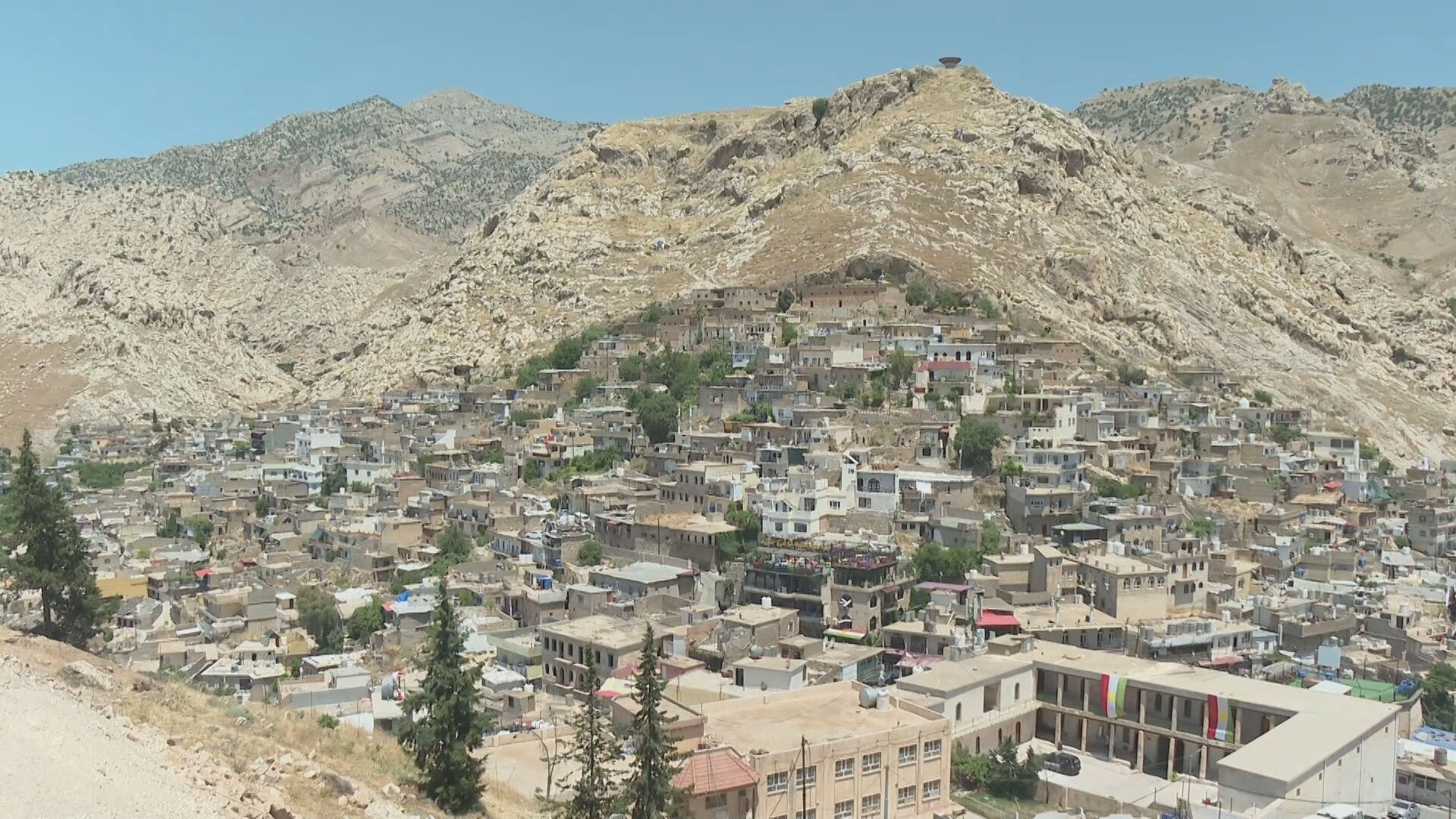
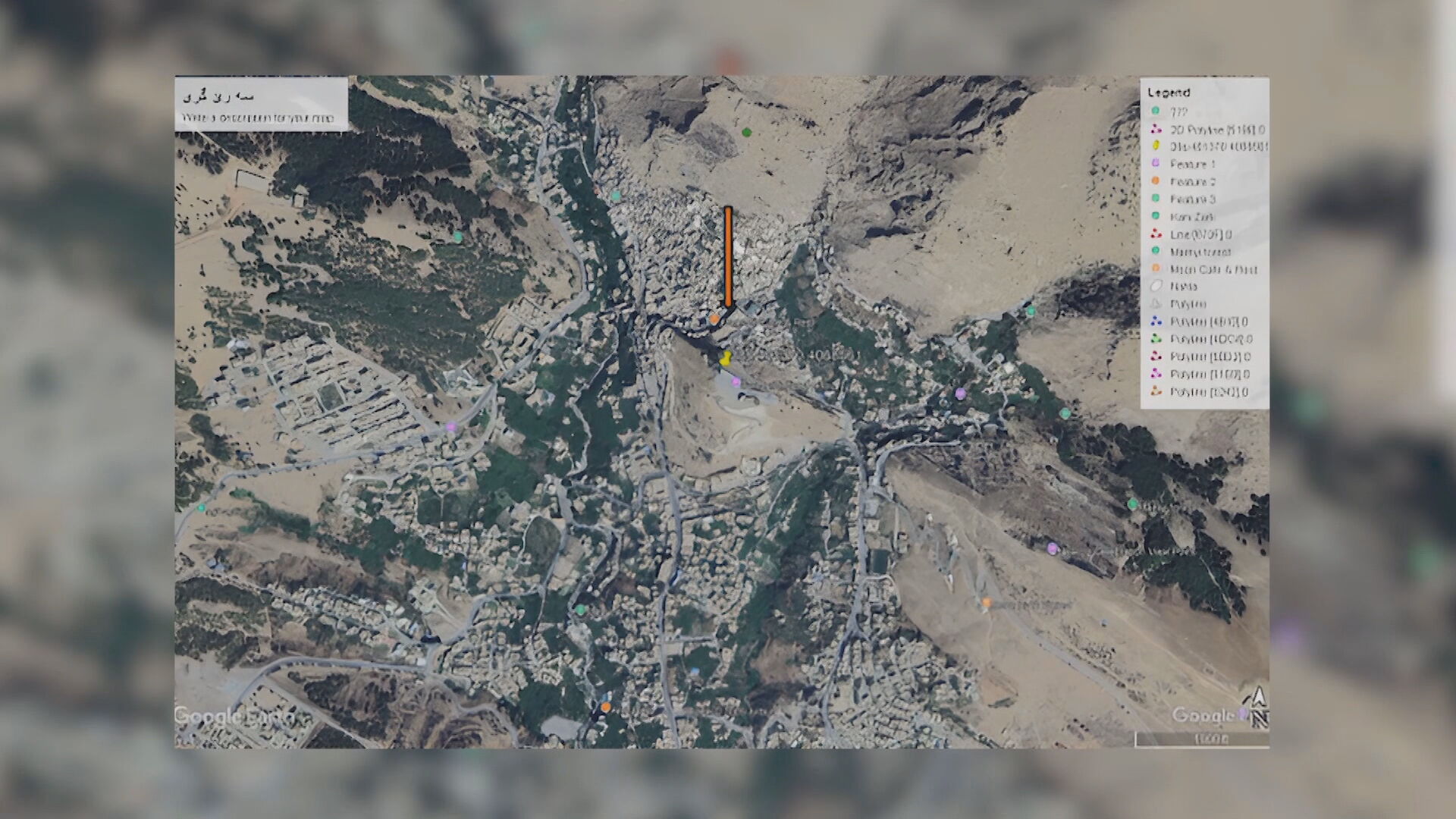
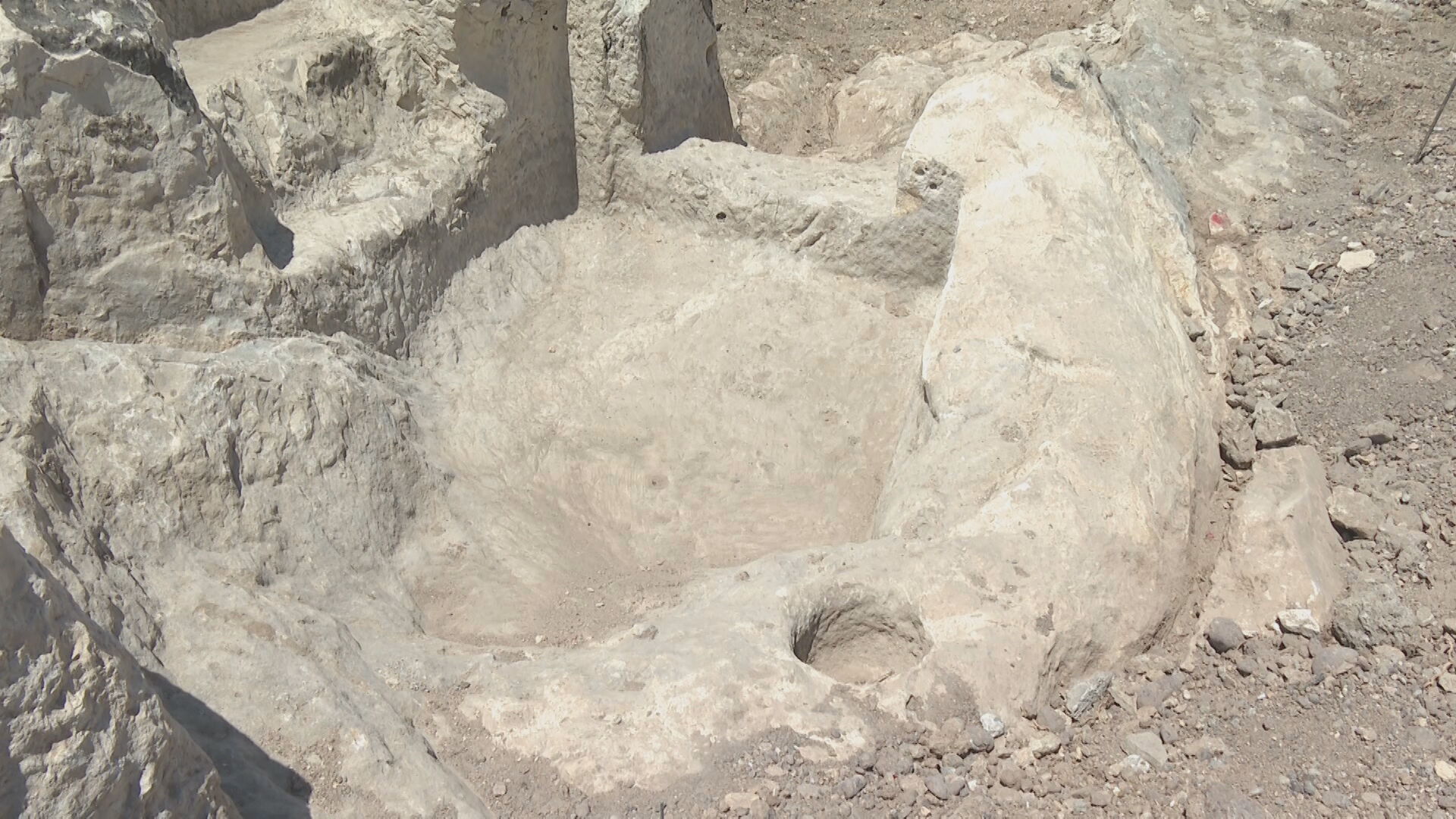
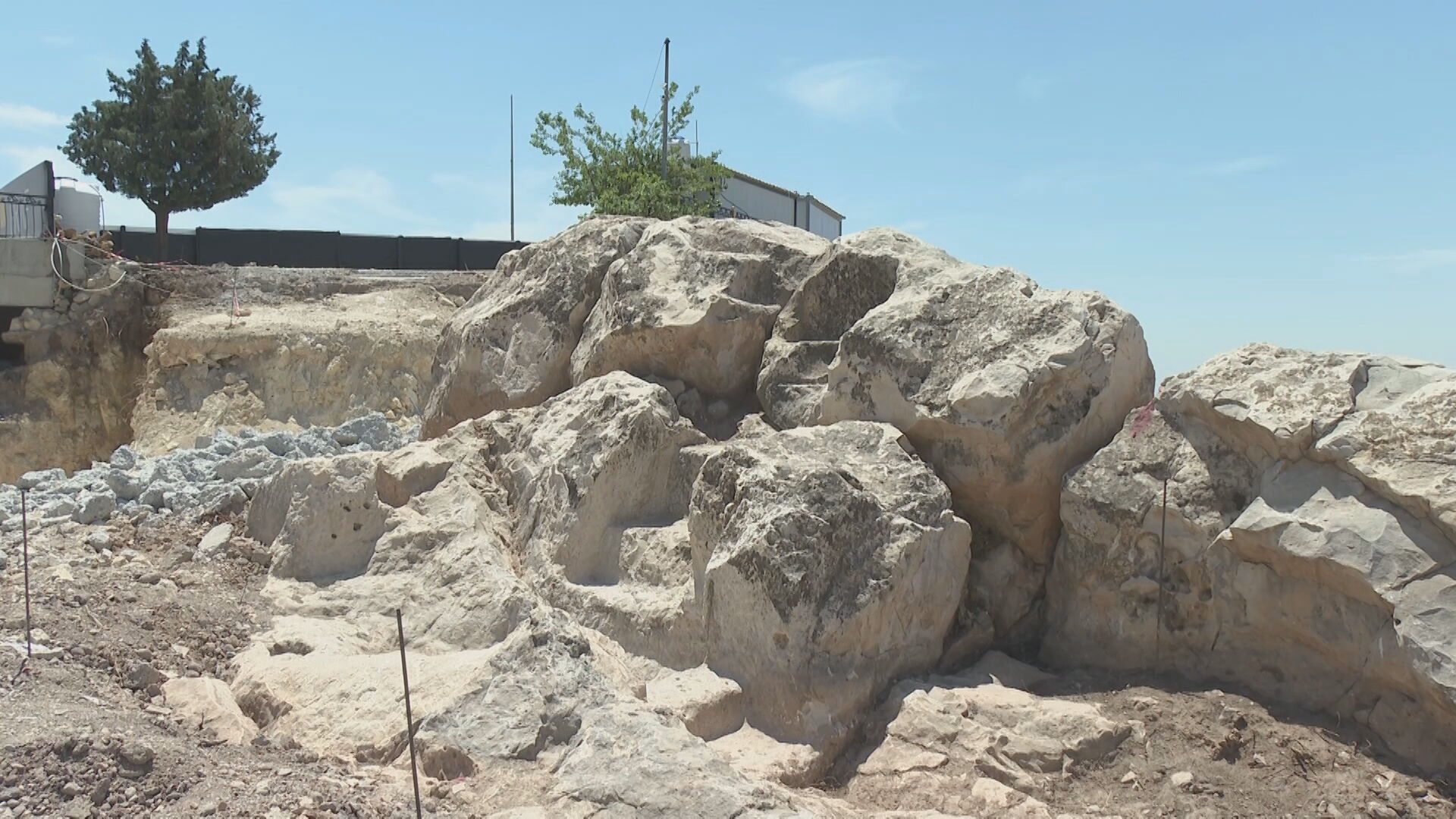
ERBIL (Kurdistan24) - A Monumental Discovery In the historic district of Akre, researchers have documented a newly discovered archaeological site dating back roughly 2,300 years. According to field reporting by Kurdistan24 correspondent Ari Hussein on Sunday, archaeologists have identified the location as one of the region's largest known ancient facilities dedicated to the production of olive oil and grape wine.
The unearthing of this sprawling complex provides crucial insights into the historical economy of the area, revealing a sophisticated industrial capability that operated centuries before the modern era.
Unearthing an Ancient Production Center
The archaeological findings indicate that the site functioned as a major manufacturing hub. Researchers working on the excavation have determined that the facility was purpose-built for the large-scale pressing and processing of olives and grapes.
An archaeologist at the site noted that the factory is the largest of its kind yet found within the Akre district, with its origins traced back to the period between 300 and 200 BC.
During this era, olive oil, often utilized for fuel, and grape wine were among the most valuable commodities available, serving as critical pillars of the local and regional economy.
What the Discovery Reveals About Ancient Akre
This discovery significantly broadens the understanding of ancient Akre's commercial footprint.
Long recognized in modern times as an agricultural center, the unearthing of this production facility suggests that the district has held this distinction for over two millennia.
By cultivating and processing these high-demand goods, ancient inhabitants likely integrated Akre into wider regional trade networks, exporting their surplus to neighboring territories.
The scale of the newly discovered factory implies a level of agricultural yield and economic organization that transformed the area into a vital commercial locus in antiquity.
Excavation, Preservation, and Tourism
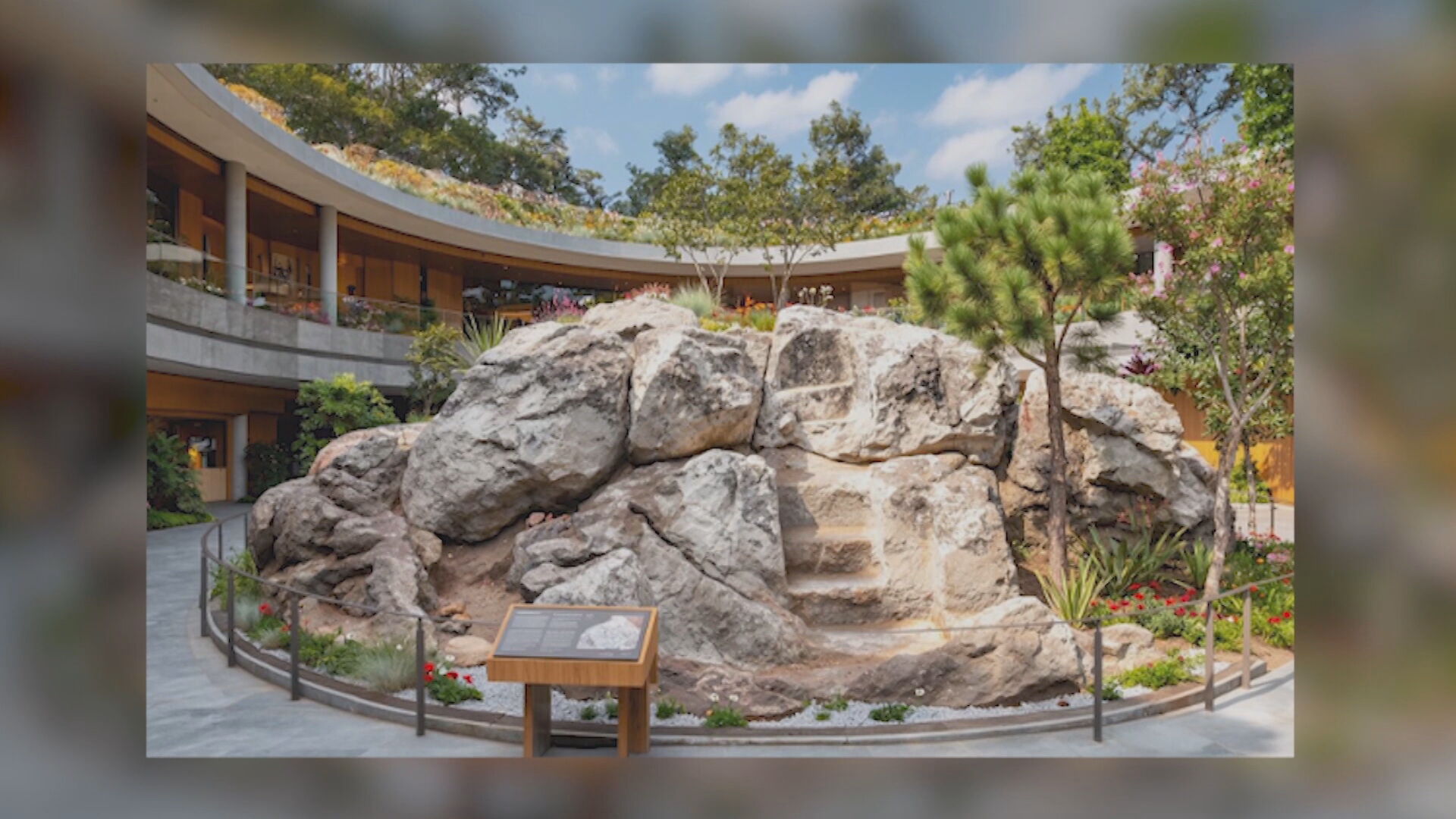
Currently, the Akre Directorate of Antiquities is overseeing comprehensive efforts to excavate, clean, and document the facility.
The immediate objective is to ensure the site's preservation while carefully uncovering its remaining structures.
An official from the Directorate emphasized that such discoveries hold multidimensional importance for the region.
Beyond their historical value, these unearthings play a crucial role in reinforcing national identity and fostering economic growth.
According to the official, the eventual goal is to make the fully excavated factory accessible to the public, transforming it into a destination that attracts both domestic and international tourists while generating new job opportunities for local residents.
Akre's Expanding Archaeological Landscape
This ancient factory is just one component of Akre's expanding archaeological landscape.
Data from the Akre Directorate of Antiquities reveals that the district is home to approximately 760 recorded archaeological sites and historical landmarks.
While many of these locations remain unexcavated, ongoing exploration continues to yield new discoveries.
These systematic studies are essential for compiling the historical documents needed to fully showcase the rich antiquity embedded within the region's topography.
Broader Significance
Within a broader context, the unearthing of the olive oil and wine facility underscores the intersection of cultural preservation and sustainable development.
By systematically documenting these ruins, local authorities are securing invaluable data for academic research while laying the groundwork for a heritage tourism sector.
Such initiatives ensure that historical preservation actively contributes to the modern economy, leveraging the region's ancient past to support its future.
Ultimately, the excavation of this 2,300-year-old factory introduces a fresh chapter into Akre's enduring historical record.
The site stands as tangible evidence that the district was a thriving agricultural and commercial center more than two millennia ago.
As the Akre Directorate of Antiquities proceeds with its ongoing exploration, the region remains poised to uncover even more of its hidden heritage, further cementing its legacy as a cornerstone of ancient trade and civilization.
|
Summary A 2,300-year-old facility for producing olive oil and wine has been discovered in Akre. Archaeologists are excavating this site to uncover its ancient economic significance. The discovery highlights Akre's rich heritage and promises to boost local tourism and historical preservation efforts. |
Ari Hussein, Kurdistan24 correspondent in Akre, contributed to this report.