Iranian Military Command Announces Suspension of Operations, Warns Against Strikes in Lebanon
In a brief announcement, the military headquarters stated that its forces are halting their current operations. However, officials emphasized that the cessation remains conditional based on the actions of opposing forces.
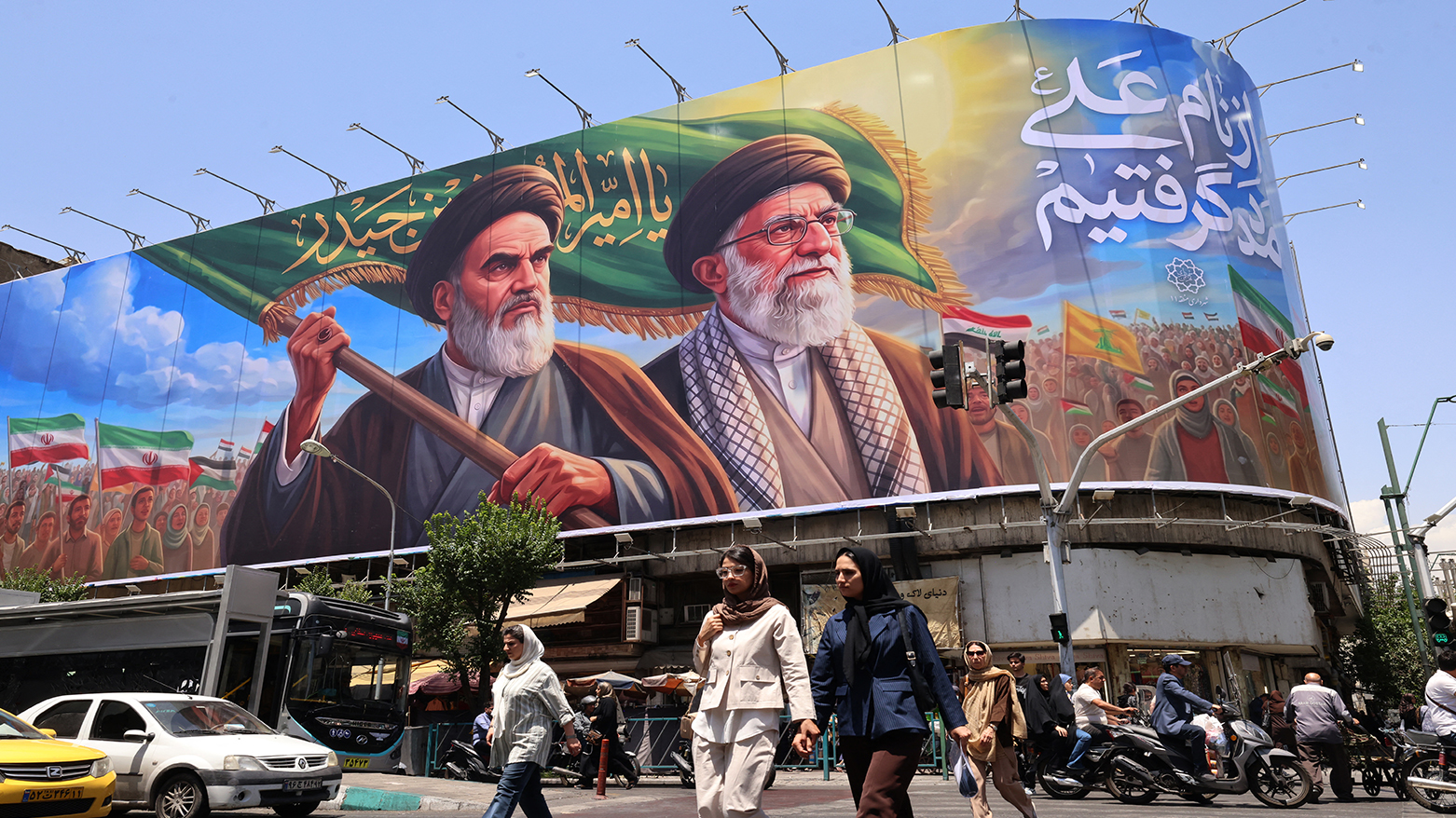
ERBIL (Kurdistan24) - Iran's Khatam al-Anbiya Central Headquarters has announced the suspension of its military operations, while issuing a direct warning that continued hostilities, specifically in Southern Lebanon, will trigger a stronger response.
In a brief announcement, the military headquarters stated that its forces are halting their current operations. However, officials emphasized that the cessation remains conditional based on the actions of opposing forces.
According to the statement, if attacks continue, particularly those targeting Southern Lebanon, Iran's military response will be "significantly more forceful."
The declaration establishes an immediate, conditional pause in operations by the Iranian command, directly tying the continuation of the halt to the cessation of strikes in the designated areas.
The statement comes amid heightened regional tensions following a new round of military escalation between Iran and Israel. Early Monday, both sides exchanged missile strikes, with Iran launching barrages toward Israeli territory and Israel carrying out attacks on military and strategic targets inside Iran.
The latest exchanges have fueled concerns that the conflict could expand beyond the two countries and draw in allied armed groups across the region.
The situation intensified further when Yemen's Iran-aligned Houthi movement announced that it had launched ballistic missiles toward Israel in what it described as support for Iran, as well as for Palestinians in Gaza and Hezbollah in Lebanon.
The Houthis also declared a ban on Israeli maritime navigation through the Red Sea, warning that Israeli-linked vessels would no longer be permitted to pass through the strategic waterway.
The announcement raised fears of renewed disruption to international shipping routes, as the Red Sea serves as one of the world's most important trade corridors connecting Asia, Europe, and the Middle East.
Previous Houthi attacks on commercial and military vessels in the region had already prompted international naval deployments and diverted maritime traffic around Africa, increasing global shipping costs.
Meanwhile, later in the day, U.S. President Donald Trump has called for an immediate halt to hostilities between Israel and Iran, warning that continued escalation risks plunging the wider Middle East into a broader conflict.
Trump has urged all parties to exercise restraint and pursue diplomatic channels to prevent further military confrontation, while the United States continues consultations with regional and international partners aimed at de-escalating the crisis.