Trump Accuses Iran of Bad Faith as Draft U.S.-Iran Deal Sparks Controversy
The U.S. president accused Tehran of acting in bad faith and condemned what he described as an Iranian drone attack targeting Indian ships near the Strait of Hormuz.
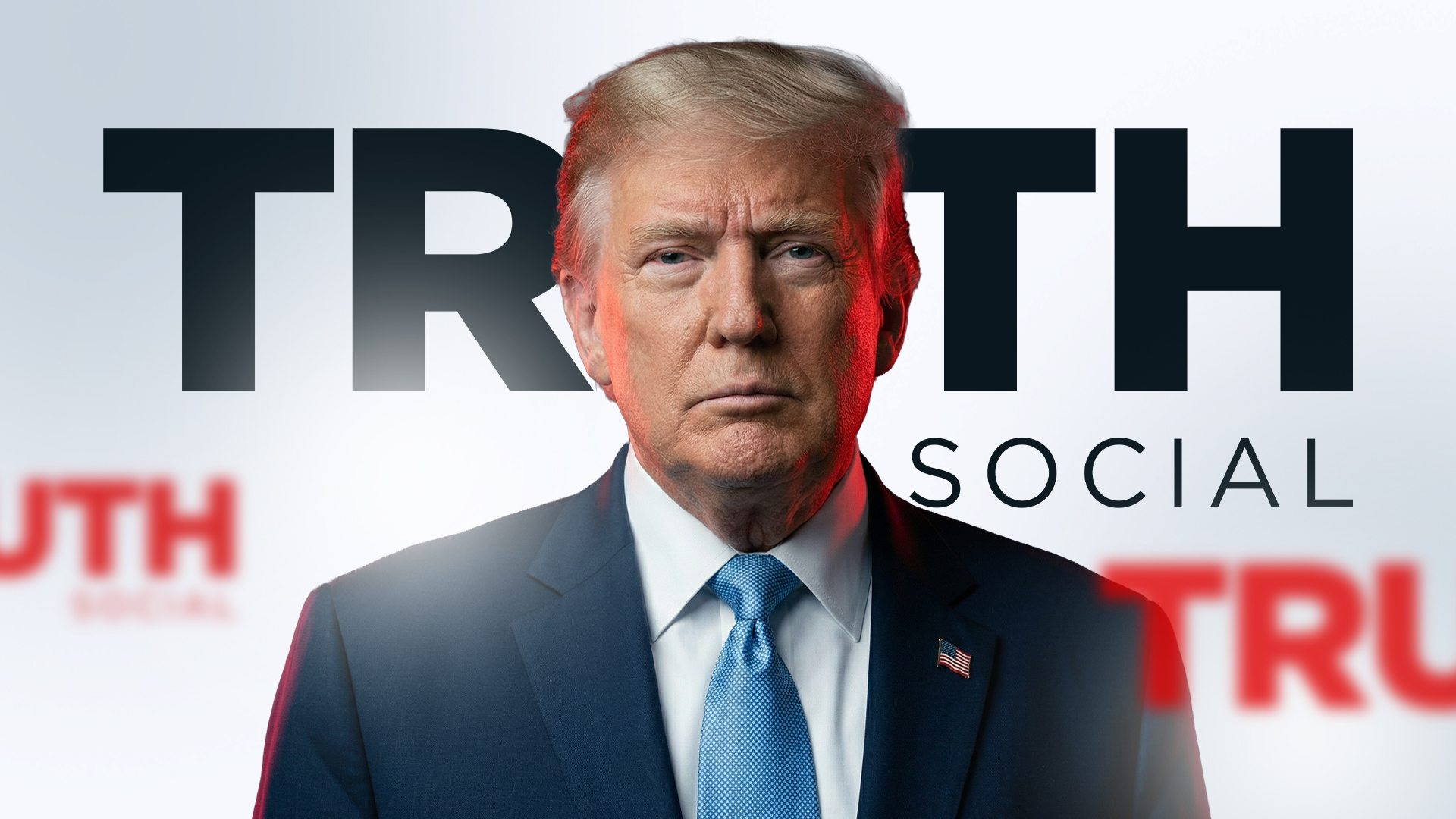
ERBIL (Kurdistan24) - U.S. President Donald Trump sharply criticized Iran's leadership on Friday, dismissing leaked details of a reported agreement between Washington and Tehran as false and accusing Iranian officials of negotiating in bad faith.
In a message published on his Truth Social platform on Friday, Trump said the terms reportedly provided by Iran to media outlets bore no resemblance to the written terms agreed upon during negotiations.
"The terms that Iran leaked out to the Fake News have NOTHING to do with the terms that were agreed to, in writing," Trump wrote. He added that Tehran's statements regarding a possible deal were "far from the truth" and described Iranian officials as "very dishonorable people to deal with."
Trump further claimed that an Iranian drone attack targeting Indian ships leaving the Strait of Hormuz had been repelled, calling the incident "totally unacceptable."
"They better get their act together, and FAST!" the U.S. president stated.
Draft memorandum reveals sweeping proposals
Trump's remarks came amid reports of a confidential 14-article draft memorandum of understanding between the United States and Iran that could pave the way for a permanent cessation of hostilities and a broader diplomatic settlement.
According to information reported by Iran's Mehr News Agency and cited by a source close to the Iranian negotiating team, the draft outlines significant concessions from both sides and suggests negotiations have advanced well beyond a traditional ceasefire framework.
The reported memorandum proposes an immediate and permanent cessation of hostilities, including in Lebanon, alongside a phased process linking military de-escalation to sanctions relief and economic measures.
Among the most notable provisions are the lifting of the U.S. naval blockade within 30 days, the withdrawal of American forces from Iran's immediate periphery, the reopening of the Strait of Hormuz under Iranian security arrangements, and the release of $24 billion in frozen Iranian assets.
The draft also reportedly calls for the suspension of sanctions on Iranian oil exports and proposes reconstruction plans for Iran worth at least $300 billion from the United States and its allies.
The reported memorandum emerged shortly after Trump unexpectedly halted plans for additional military strikes against Iran and announced that he expected a formal agreement within days.
The proposed framework would limit final negotiations to nuclear-related issues, sanctions relief, and economic reconstruction, while excluding discussions on Iran's ballistic missile program and support for regional armed groups.
Iranian officials have not formally finalized the document. However, Iranian Foreign Ministry spokesperson Esmail Baghaei reportedly acknowledged that the text is largely complete, while cautioning that inconsistencies in Washington's position have complicated the process.
Despite indications of diplomatic progress, major questions remain about the future of the proposed agreement and its implementation.
The emergence of the draft memorandum, coupled with Trump's public rejection of Tehran's reported negotiating terms, highlights the fragile nature of the ongoing talks and the deep mistrust that continues to define relations between Washington and Tehran.
As negotiations continue, the future of the Strait of Hormuz, sanctions relief, regional security arrangements, and the broader balance of power in the Middle East remain at the center of one of the most consequential diplomatic efforts in recent years.