KRG Supports Unified Customs System with Baghdad, Raises Private-Sector Pension Minimum
The Kurdistan Region's Council of Ministers has approved a minimum monthly pension of 500,000 Iraqi dinars for private-sector workers and reaffirmed its support for a joint customs agreement with Baghdad
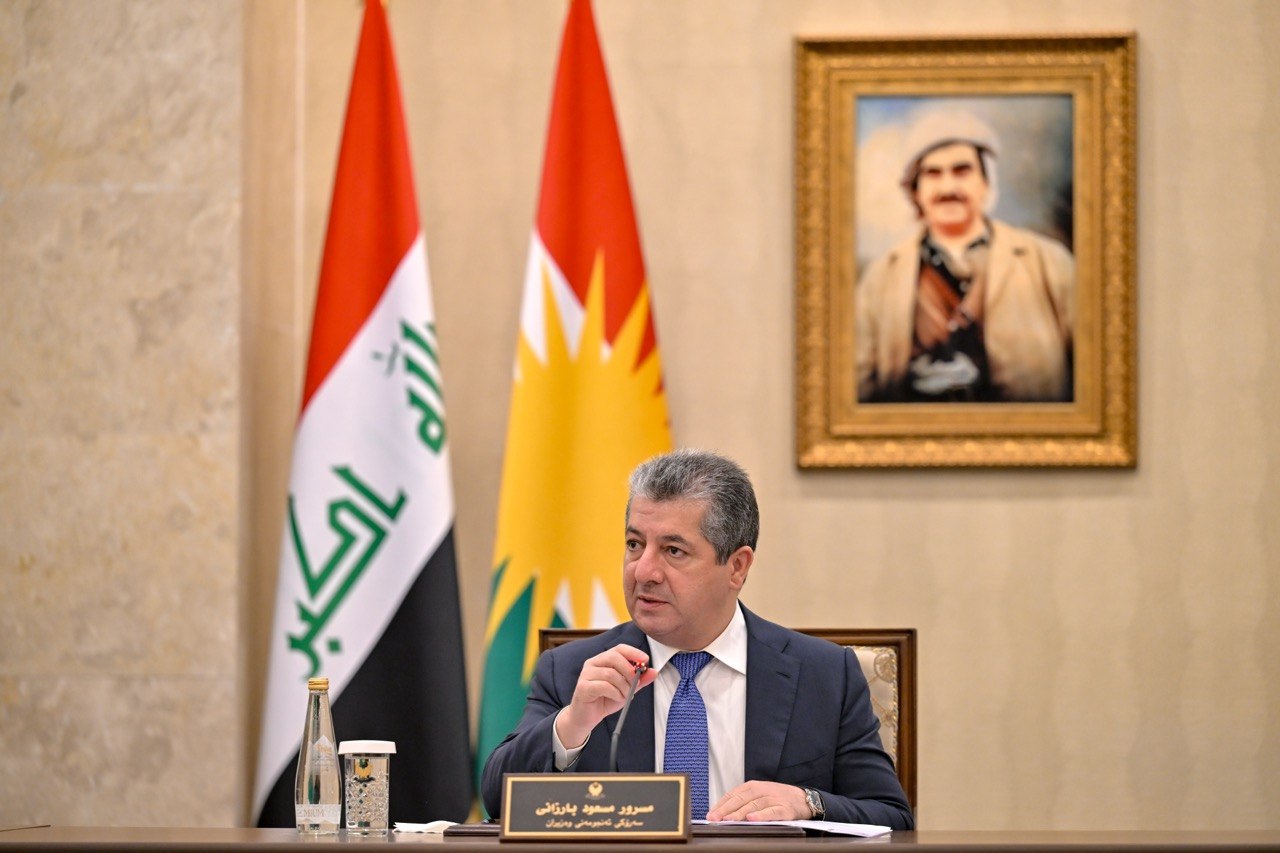
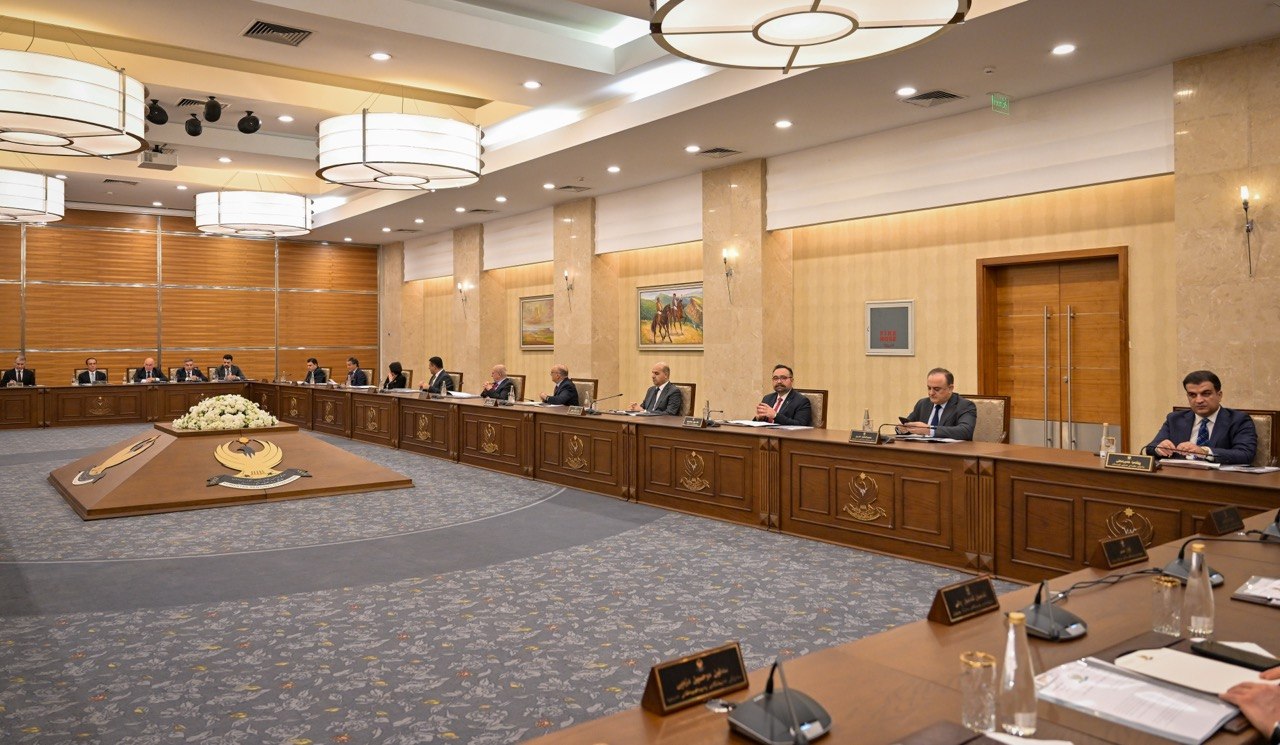
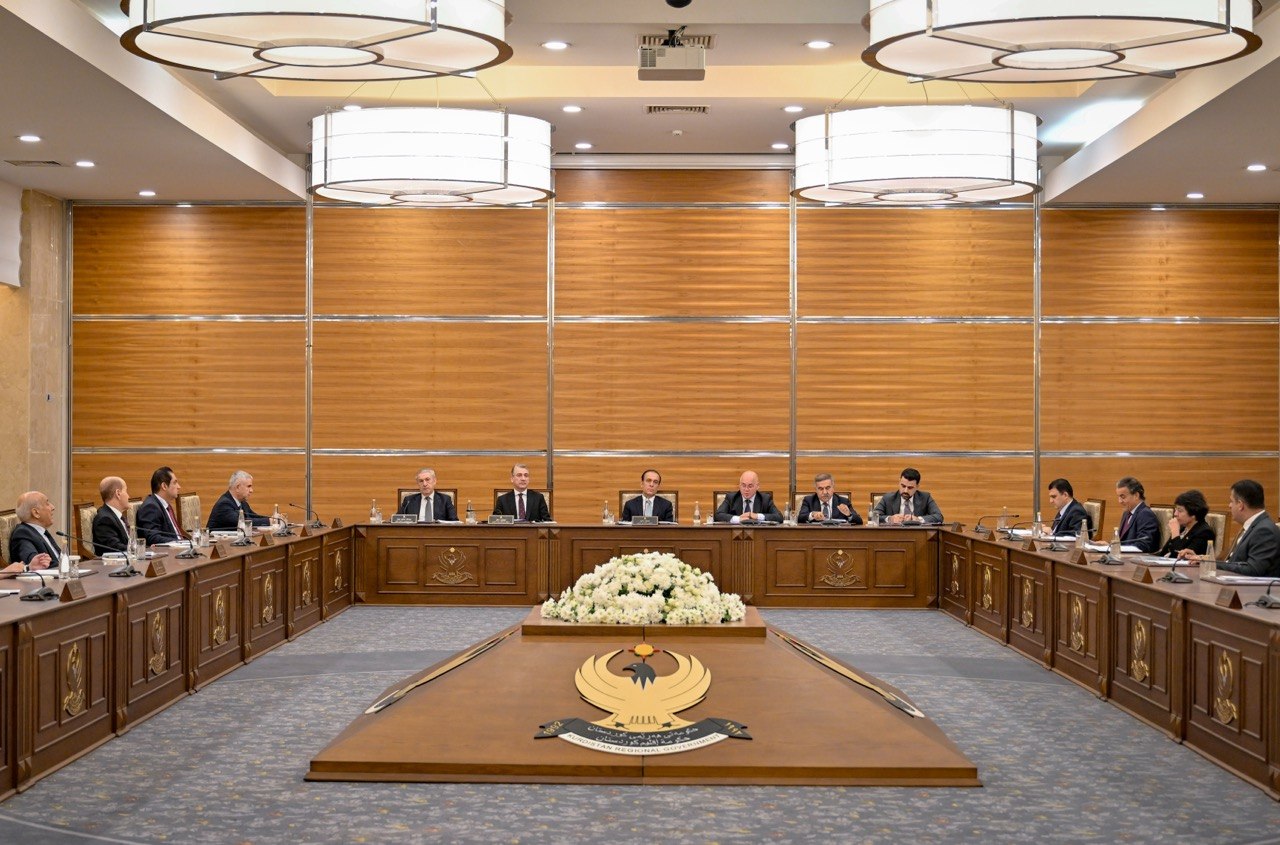
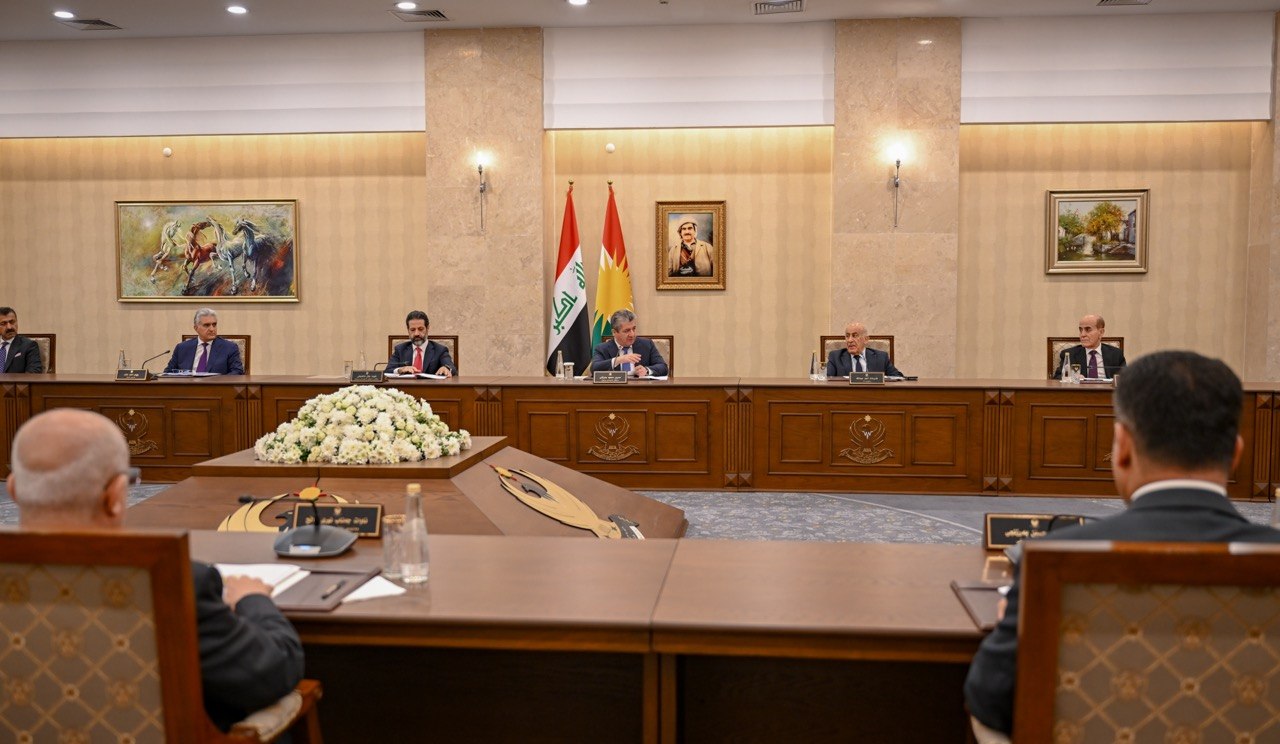
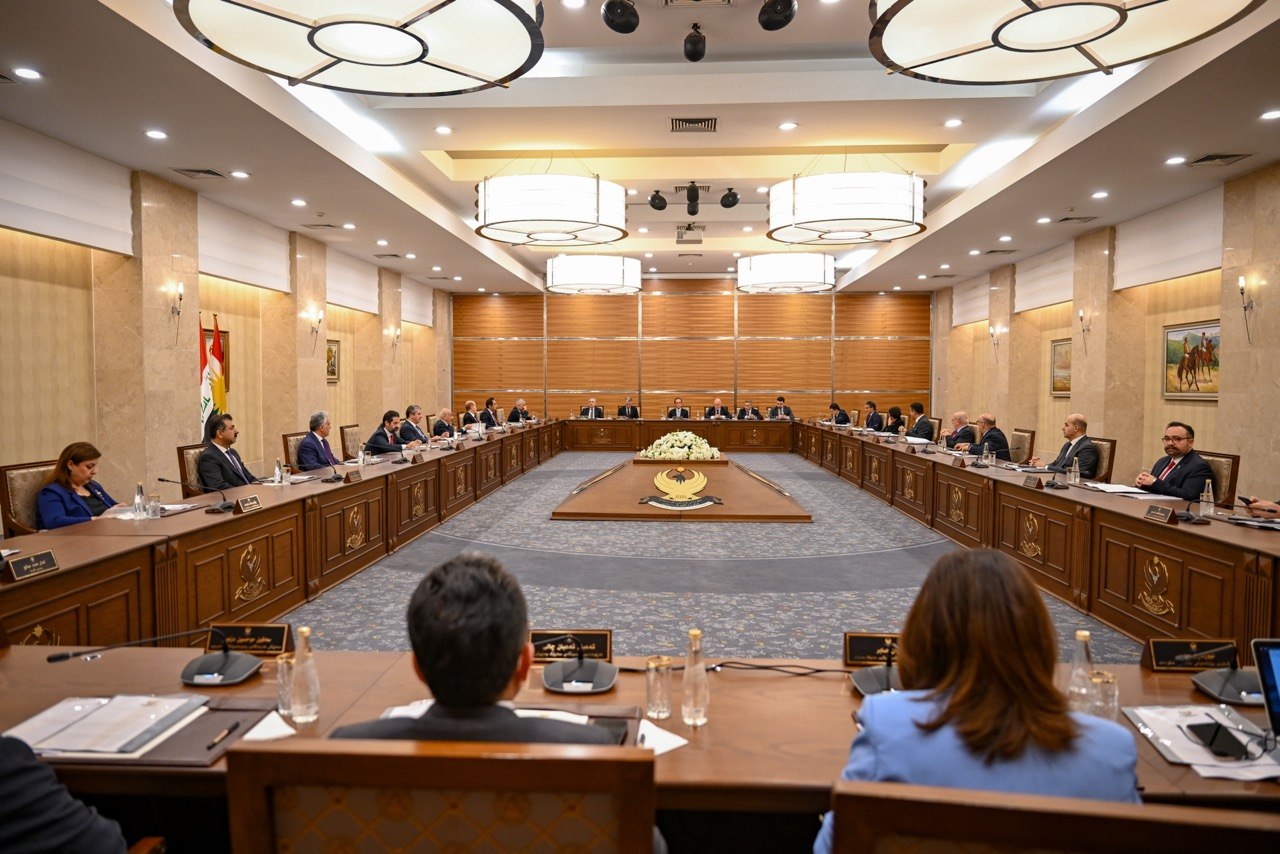
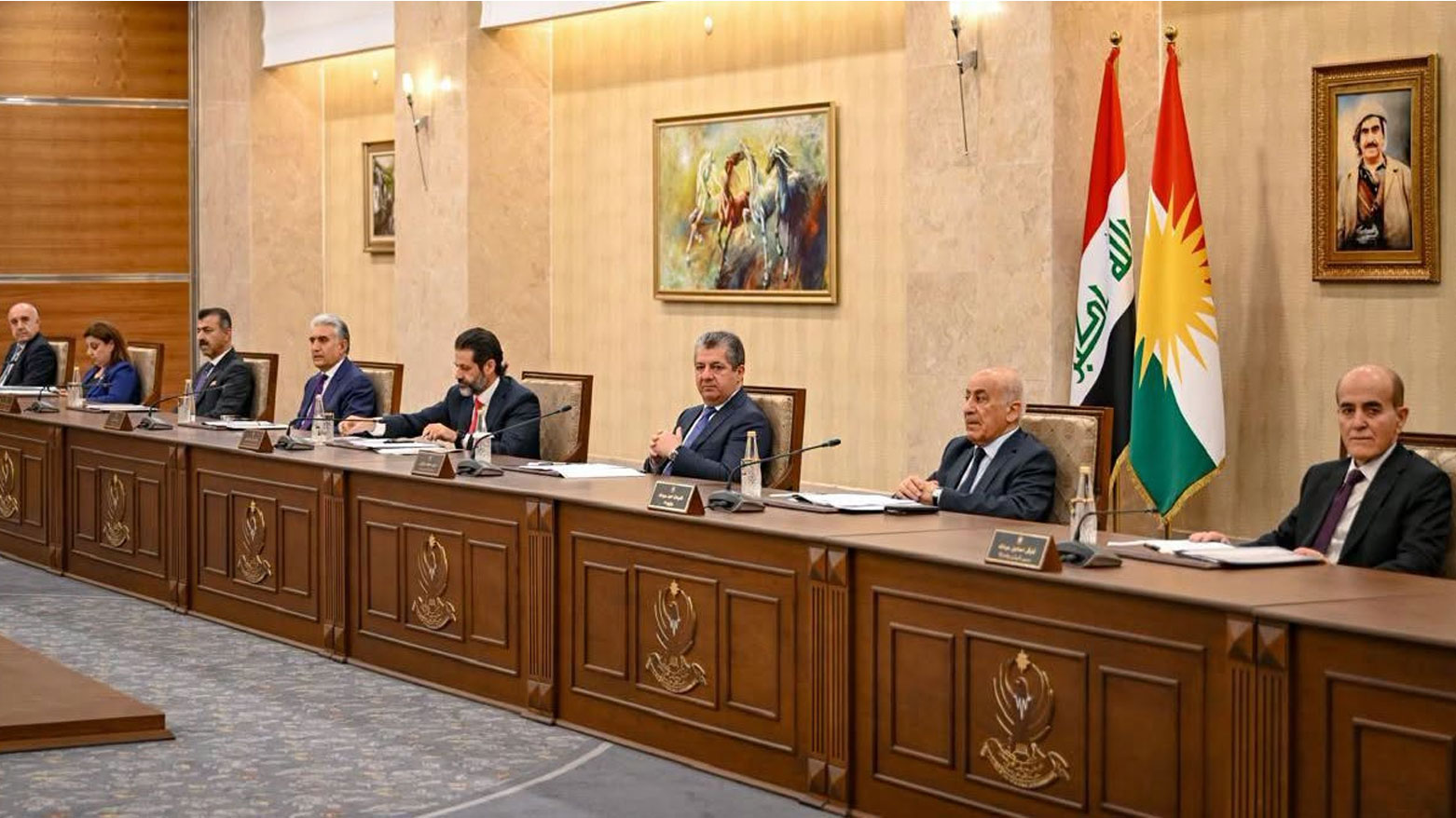
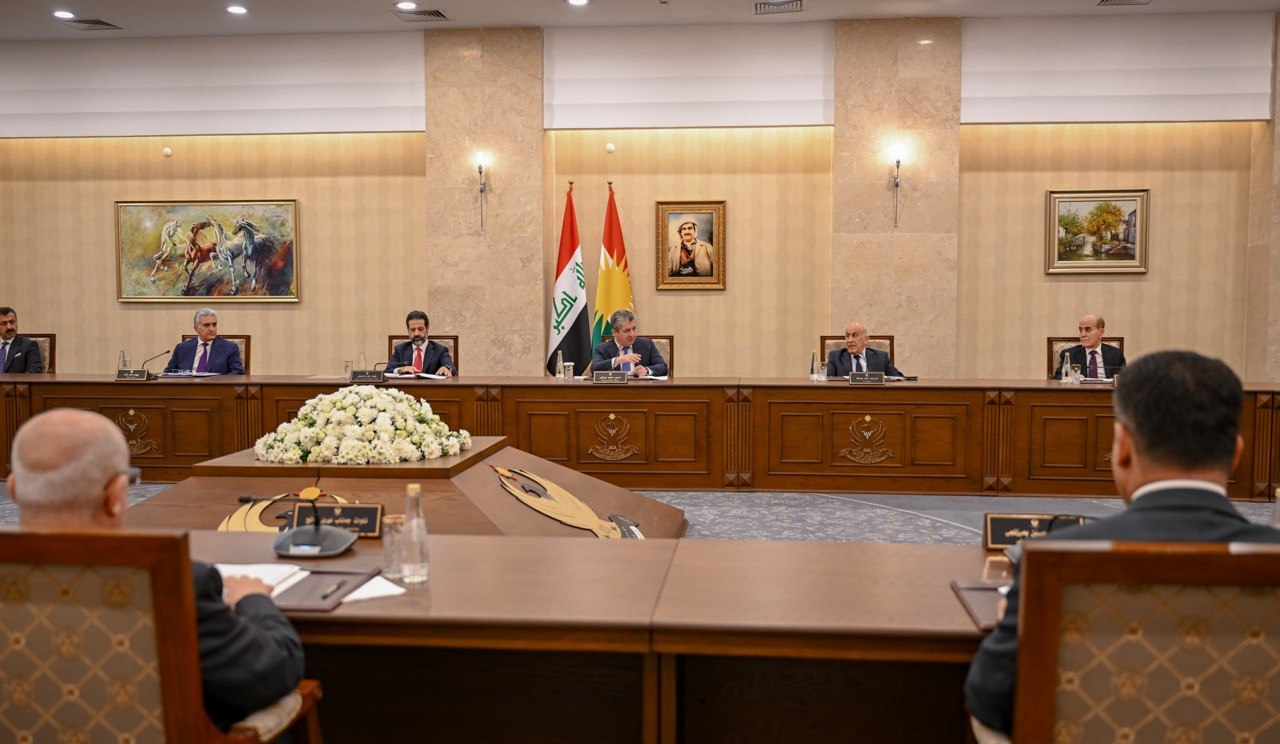
ERBIL (Kurdistan24) - The Kurdistan Region's Council of Ministers, chaired by Prime Minister Masrour Barzani and attended by Deputy Prime Minister Qubad Talabani, convened on Wednesday, approving a proposal to set the minimum monthly pension for private-sector workers at 500,000 Iraqi dinars while also endorsing a joint customs agreement between Erbil and Baghdad.
The decisions were announced in an official statement following the cabinet meeting, which focused on customs coordination with the federal government and reforms in the labor, pension, and social security sectors.
During the first agenda item, ministers reviewed the summary of a joint memorandum between Iraq's Federal Customs Authority and the Kurdistan Region's customs administration regarding the implementation of the ASYCUDA customs system. The memorandum was signed in Baghdad on June 18, 2026.
A technical committee representing the Kurdistan Regional Government (KRG) presented details of the preliminary understanding reached between Erbil and Baghdad.
The Council of Ministers welcomed the agreement, describing it as an important step toward unifying customs procedures across Iraq, digitizing customs operations, increasing transparency in border revenues, and improving revenue collection.
According to the cabinet, the reforms are expected to reduce bureaucratic procedures, facilitate trade movement through border crossings, and contribute to increasing public revenues.
The council reiterated that the KRG has consistently supported efforts to modernize customs administration and enhance coordination with federal authorities.
As part of the process, the ministries of Finance and Economy, Trade and Industry, Interior, Planning, Agriculture and Water Resources, and Health, along with the Kurdistan Board of Investment and the Information Technology Office, were instructed to coordinate with their counterparts in the federal government to finalize preparations ahead of a meeting of Iraq's Ministerial Council for the Economy.
A high-level Kurdistan Region delegation is expected to visit Baghdad next week for that purpose.
The Council of Ministers also called on the federal government to convene the Ministerial Council for the Economy at the earliest opportunity in order to formally approve and implement the agreements, which it said would help increase public revenues, improve services for citizens, and strengthen constitutional and legal relations between federal institutions and the Kurdistan Region.
Pension and social security reforms
The second item on the agenda focused on pensions and social security for private-sector workers.
Minister of Labor and Social Affairs presented a detailed report on reforms carried out in the sector, particularly efforts to digitize procedures within social security directorates, reactivate the Social Security Fund, restore pension and social security deductions, and ensure employers contribute financially to the system.
The report also highlighted measures aimed at strengthening employment offices, creating job opportunities for young people, and organizing vocational training programs.
According to the ministry, these reforms have contributed to securing nearly 64,000 projects and significantly increasing the number of registered and insured workers, which has now reached approximately 320,000.
Officials said the measures have encouraged more young people to seek employment in the private sector by guaranteeing pension rights and end-of-service benefits once workers reach retirement age in accordance with existing laws.
As part of the report, the Ministry of Labor and Social Affairs proposed setting the minimum monthly pension for private-sector workers at 500,000 Iraqi dinars.
Cabinet unanimously approves pension proposal
Prime Minister Masrour Barzani and Deputy Prime Minister Qubad Talabani, on behalf of the Council of Ministers, praised the Ministry of Labor and Social Affairs for the work carried out in recent years within the framework of the government's program.
The cabinet commended the ministry's efforts to expand private-sector employment opportunities, strengthen pension and social security protections, safeguard workers' rights, and reactivate the pension and social security fund.
Following discussions, the Council of Ministers unanimously approved the ministry's proposal, officially setting the minimum monthly pension for private-sector workers at 500,000 Iraqi dinars.
The decision marks a significant step in the Kurdistan Region's broader efforts to strengthen social protections, improve conditions for private-sector employees, and advance economic and administrative reforms through greater coordination with Baghdad.