'The Kurdistan Region is A Red Line': Officials and Veteran Peshmerga Reject Calls to Weaken Region
The Kurdistan Region's transport minister and veteran Peshmerga fighters have defended the Region's constitutional status, warning that any attempt to weaken its institutions would threaten Iraq's stability and undermine decades of sacrifice.
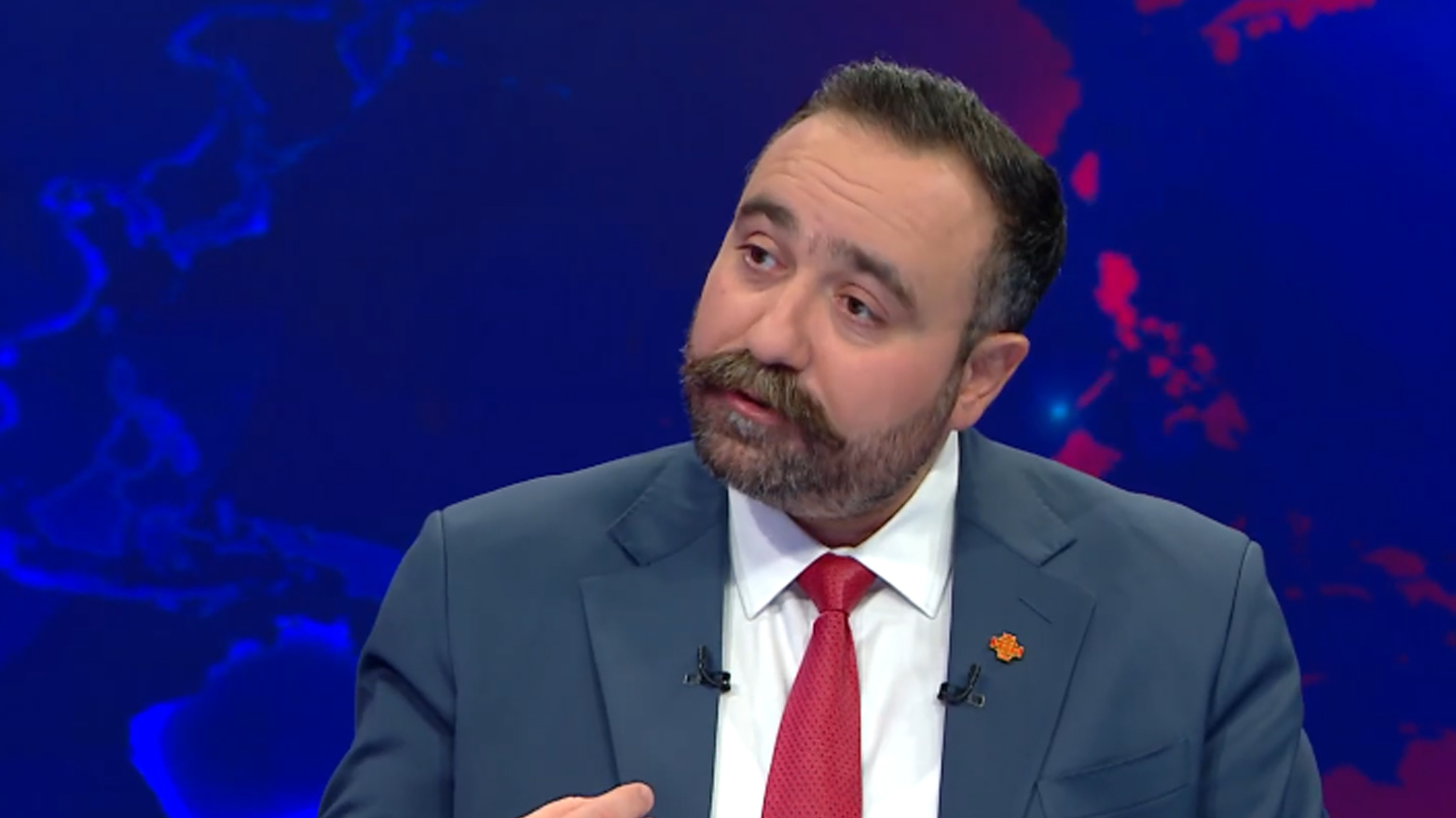
ERBIL (Kurdistan24) - Kurdistan Region Minister of Transport and Communications Ano Jawhar has reaffirmed the constitutional legitimacy of the Kurdistan Region, warning that any effort to weaken its political and legal status would ultimately endanger Iraq itself, while veteran Peshmerga fighters described the Region as a "national red line" built on decades of sacrifice.
Speaking to Kurdistan24 on Friday, Jawhar, who also serves as Secretary-General of the Christian Alliance in Iraq and the Kurdistan Region, said the Kurdistan Region's status was firmly established under Iraq's 2005 Constitution and recognized as a legal federal entity.
"Anyone who seeks to weaken the Kurdistan Region seeks to weaken Iraq and place the country's national security at risk. Such people are enemies of both the Kurdistan Region and Iraq," Jawhar said.
Jawhar criticized what he described as "populist" political parties that exploit issues related to the Kurdistan Region for political gain, arguing that they seek to undermine the democratic experience established after 2003.
He also recalled the sacrifices made by Iraq's diverse communities in defending the Region.
"We have shed blood for this land. From 1969 through the war against ISIS, Christians and all components stood alongside the Kurdish people and made sacrifices to protect this entity," he said.
Jawhar emphasized that the Kurdistan Region has served as a safe haven for all communities, particularly Christians, who found refuge there while facing violence and persecution elsewhere in Iraq.
He said this experience has made the Kurdistan Region a unique model both regionally and internationally.
The minister also called on judicial authorities to take legal action against any individual or group whose statements threaten the Kurdistan Region's higher interests or peaceful coexistence.
He further urged members of parliament to return to the parliamentary chamber to fulfill their legislative responsibilities instead of fueling political tensions through social media platforms and television appearances.
Separately, a number of veteran Peshmerga fighters in Sulaimani voiced strong opposition to statements questioning the future or constitutional status of the Kurdistan Region.
The former fighters, many of whom spent decades in the mountains and on the front lines, described such rhetoric as disrespectful to the Kurdish people's long history of sacrifice.
Newroz Mohammed, a veteran Peshmerga who joined the armed struggle at the age of 16, was wounded four times and spent years in prison under severe torture, told Kurdistan24 that the Kurdistan Region was built through the sacrifices of thousands of martyrs, including the victims of the Anfal campaign and chemical attacks.
"The Kurdistan Region we have today was built with the blood of hundreds and thousands of martyrs. Now some opportunists and political profiteers want to destroy this experience for their own interests," he said.
Mohammed stressed that, as a veteran Peshmerga, he would never accept calls to abolish or dismantle the Kurdistan Region's institutions.
Sherzad Qadir, another veteran fighter, said he and his comrades would remain committed to the cause for which thousands of fellow Peshmerga lost their lives.
"Instead of trying to weaken this entity, political parties should work to unite and strengthen it," he said.
Veteran Peshmerga Qadir Ali also warned that without the Kurdistan Region's constitutional and political framework, the Kurdish people would lose an essential guarantee for their protection and security.
The veteran fighters concluded by urging all citizens and political parties to regard the Kurdistan Region as a "national red line" and not allow political disputes to threaten an entity that they said had been achieved through decades of struggle and sacrifice.