Israeli Drone Strike Kills Four Civilians in South Lebanon Despite Ceasefire
Lebanon's official NNA reported that the victims included a school principal, her mother, a foreign female domestic worker, and a Syrian male worker. The four were travelling back after inspecting their family home in Nabatieh al-Fawqa when their vehicle was targeted.
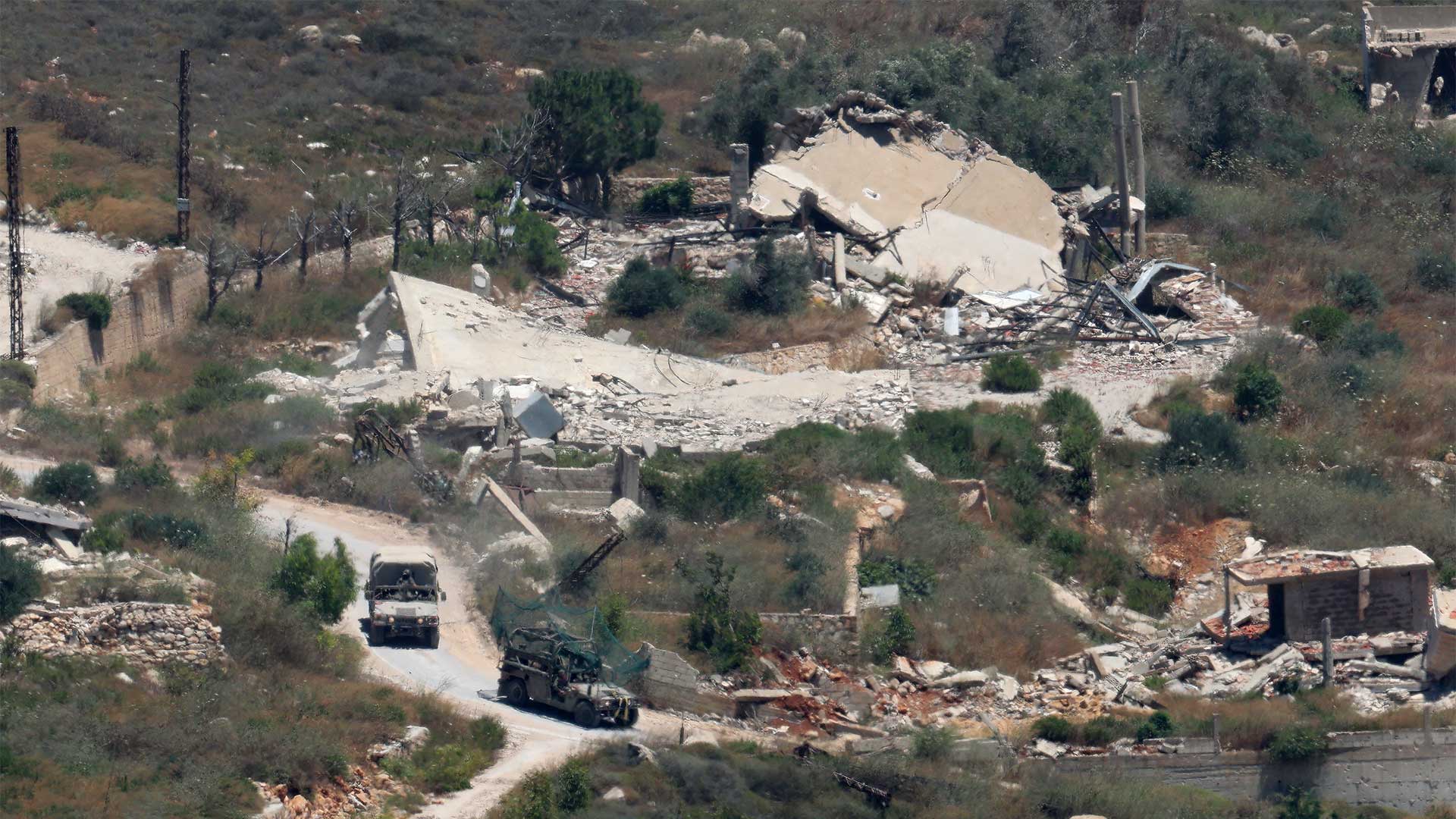
ERBIL (Kurdistan24) – An Israeli drone strike on a civilian vehicle in southern Lebanon killed four people on Monday, including three women, according to Lebanese state media, underscoring the fragility of a ceasefire that took effect just over two weeks ago.
Lebanon's official National News Agency (NNA) reported that the victims included a school principal, her mother, a foreign female domestic worker, and a Syrian male worker. The four were travelling back after inspecting their family home in Nabatieh al-Fawqa when their vehicle was targeted.
Israel has continued carrying out intermittent airstrikes across southern Lebanon, particularly in the Nabatieh region, despite the ceasefire. Israeli authorities typically say the strikes target Hezbollah fighters and military infrastructure, while Lebanon and Hezbollah accuse Israel of violating the truce.
The latest strike came as Lebanese President Joseph Aoun renewed calls for Israel to withdraw from southern Lebanon. In a statement issued by his office on Monday, Aoun said Israel's continued military presence was preventing the Lebanese army from deploying throughout the south.
"The occupation undermines the legitimacy of the Lebanese state and prevents the army from deploying, and the laying of foundations for achieving a just and lasting peace," the statement quoted the president as saying.
Meanwhile, Israeli Prime Minister Benjamin Netanyahu reiterated on Sunday that Israeli forces would remain in southern Lebanon "as long as necessary" to safeguard residents of northern Israel and the country's security.
The current ceasefire in Lebanon came into effect on June 21 as part of a broader agreement announced last month by the United States and Iran aimed at ending the wider regional conflict.
Days later, following talks in Washington, Lebanon and Israel agreed to a U.S.-backed framework intended to pave the way for a permanent end to hostilities. The proposal calls for the disarmament of the Iran-backed Hezbollah movement, a phased Israeli withdrawal from southern Lebanon, and the deployment of the Lebanese army to the border region, beginning with two pilot areas. However, the agreement does not specify a timetable for the Israeli pullout, and Hezbollah has rejected the framework.
The conflict escalated after Hezbollah launched rocket attacks on Israel on March 2, drawing Lebanon into the broader Middle East war. According to Lebanese authorities, Israeli military operations since then have killed approximately 4,300 people and displaced more than one million residents. The United Nations says more than 640,000 displaced people have returned to their homes since June 22, although continued violence has raised concerns over the durability of the ceasefire.