Iran Condemns U.S. Strikes as 'War Crime' as Death Toll Rises, Khamenei's Coffin Arrives in Mashhad
Tehran says 14 killed and 78 wounded in two days of U.S. attacks, while explosions are heard in Bahrain after renewed Iranian missile strikes amid escalating regional conflict
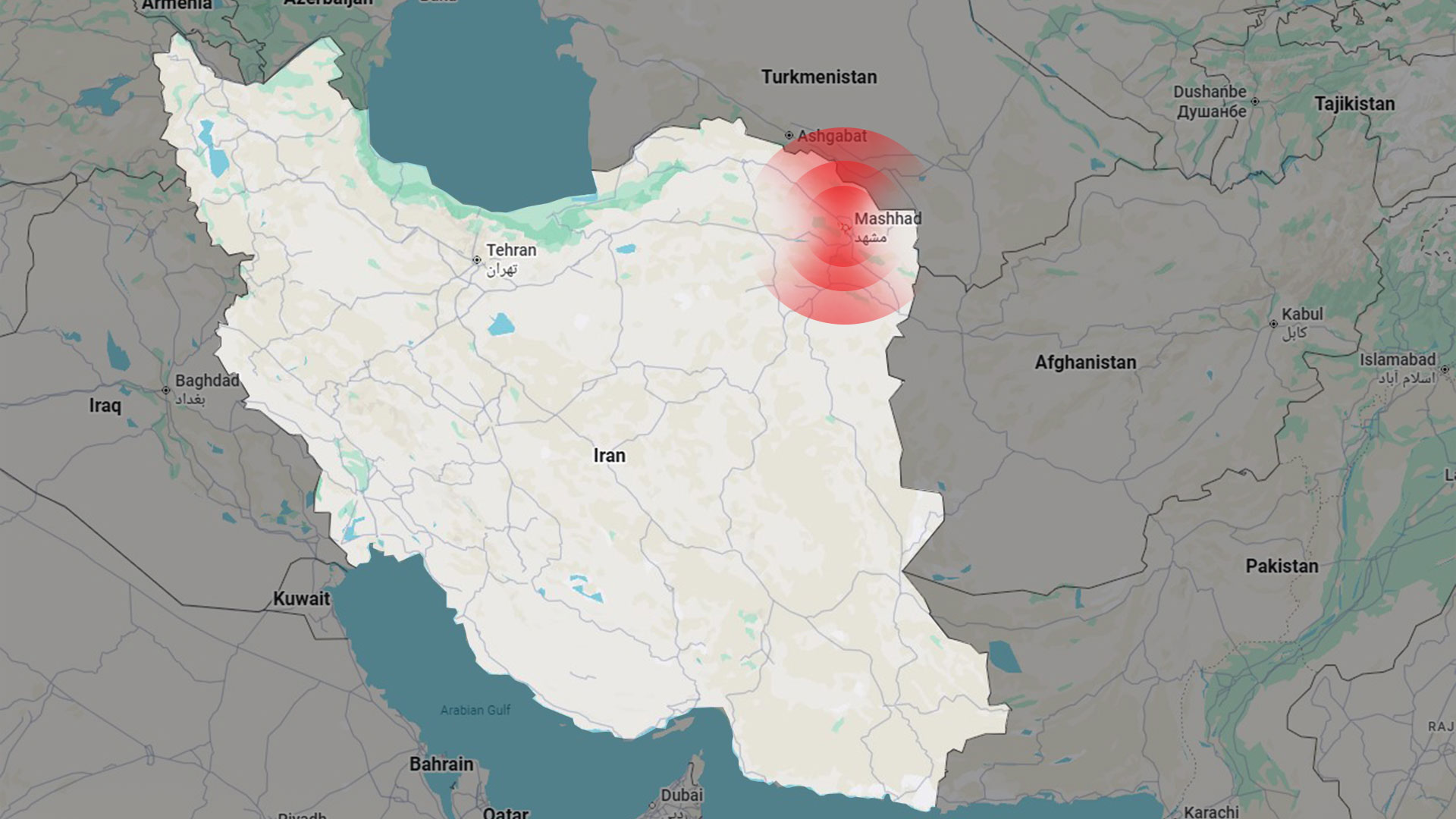
ERBIL (Kurdistan24) — Iran on Thursday accused the United States of committing a "gross war crime" after American strikes hit multiple targets across the country, including railway infrastructure leading to the holy city of Mashhad, as the death toll from two days of attacks rose to 14.
In a strongly worded statement, Iran's Foreign Ministry condemned what it described as attacks on civilian infrastructure, saying U.S. forces targeted several locations in the country's southern coastal provinces as well as two railway bridges on the Tehran–Mashhad line.
"The Islamic Republic of Iran condemns in the strongest terms the aggressive attacks by the U.S. terrorist army on several points in the southern coastal provinces and two bridges in the eastern provinces on the railway route to the holy city of Mashhad," the ministry said, calling the U.S. administration "evil and psychopathic."
The strikes came hours before the burial of Iran's late Supreme Leader Ali Khamenei in his hometown of Mashhad, following funeral ceremonies in Iraq's holy cities of Najaf and Karbala.
Casualties mount
Iran's Health Ministry said 14 people had been killed and 78 wounded during two days of U.S. attacks.
Hossein Kermanpour, the ministry's head of public relations, said 47 of the wounded remained hospitalized while the others had been discharged after receiving treatment.
The latest casualty figures came as the United States continued striking dozens of targets across Iran for a second consecutive day, including the railway corridor linking Tehran with Mashhad.
Iranian authorities have accused Washington of deliberately targeting transportation infrastructure serving civilians traveling to Khamenei's funeral.
Khamenei's coffin arrives in Mashhad
Meanwhile, a plane carrying the coffin of the late Iranian leader landed in Mashhad on Thursday ahead of his burial.
State news agency IRNA broadcast footage showing a Mahan Air aircraft taxiing after arriving at Mashhad International Airport.
Khamenei's remains were flown from Iraq after funeral ceremonies were held in the Shia holy cities of Najaf and Karbala, where large crowds gathered to pay their final respects.
His burial in Mashhad marks the culmination of several days of state-organized funeral events that have drawn mourners from across Iran and neighboring countries.
Bahrain reports fresh explosions
The regional conflict also showed signs of further expansion on Thursday, with explosions heard in Bahrain after Iran launched another round of attacks.
An AFP correspondent in the Bahraini capital, Manama, reported hearing blasts as air raid sirens sounded for the third time in a matter of hours.
"The siren has been sounded... Citizens and residents are urged to remain calm and head to the nearest safe place," Bahrain's Interior Ministry said in a statement posted on X.
The renewed alerts followed overnight Iranian missile and drone attacks targeting U.S. military installations in Bahrain and Kuwait, which Tehran said were carried out in retaliation for American strikes inside Iran.
The latest exchange marked the second consecutive day of direct military strikes between Washington and Tehran, testing an already fragile ceasefire and raising fears of a broader regional war.
The confrontation has increasingly centered on the strategic Strait of Hormuz, through which roughly one-fifth of the world's seaborne oil supplies pass. Continued hostilities have heightened concerns over disruptions to global energy markets and maritime security in the Gulf.