US Strikes Kill Seven Iranian Troops as Trump Threatens Broader Offensive
CENTCOM launches new wave of attacks across Iran while Tehran strikes U.S. targets in Jordan, Kuwait, and Bahrain and vows to keep the Strait of Hormuz closed
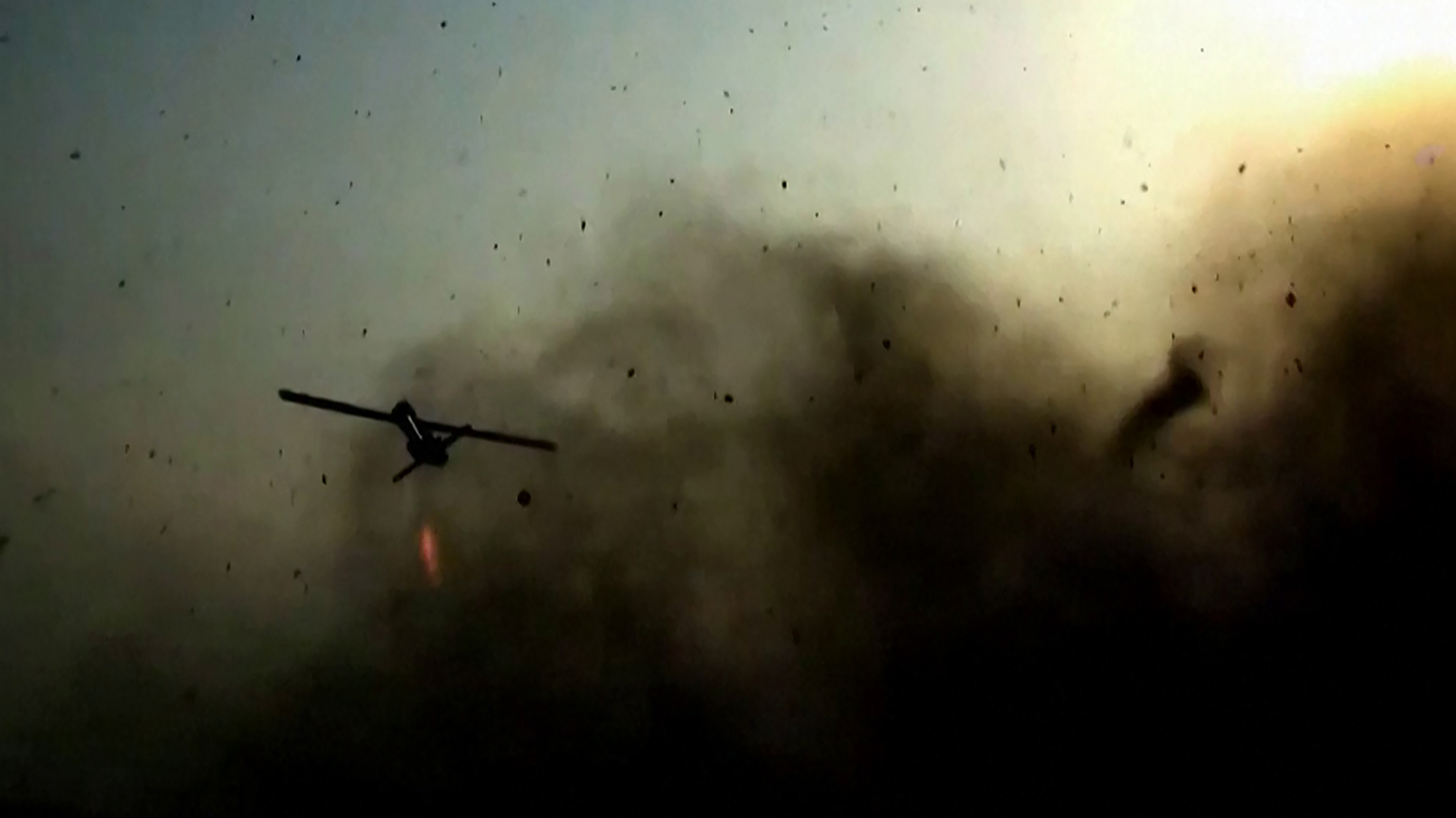
ERBIL (Kurdistan24) — The United States and Iran sharply escalated their military confrontation on Wednesday, with U.S. airstrikes killing seven Iranian military personnel and targeting dozens of military sites across the country, while Tehran launched retaliatory attacks against U.S. military facilities in Jordan, Kuwait, and Bahrain and vowed to keep the Strait of Hormuz closed.
The Iranian army said seven military personnel were killed in a U.S. missile strike on a barracks near the southeastern city of Iranshahr, describing the attack as part of Washington's expanding military campaign.
Fresh U.S. strikes also hit three locations in the southern port city of Bushehr, home to Iran's only civilian nuclear power plant, according to Iran's state news agency IRNA.
"The American enemy attacked three locations in Bushehr today," Bushehr Governor Mohammad Mozafari told IRNA, a day after previous strikes in the province.
CENTCOM targets military infrastructure
The U.S. Central Command (CENTCOM) confirmed it carried out a new seven-hour wave of coordinated strikes against dozens of Iranian military targets.
According to CENTCOM, U.S. fighter aircraft, drones, and naval vessels launched precision-guided munitions against Iranian missile and drone sites, naval assets, and coastal defense systems.
The command said the operation was intended to further degrade Iran's ability to threaten commercial shipping and civilian crews, particularly in and around the Strait of Hormuz.
Earlier, CENTCOM stated that its operations were focused on dismantling Iranian military capabilities used to attack commercial shipping in the strategic waterway.
Trump warns of attacks on power plants and bridges
U.S. President Donald Trump warned that Washington would significantly expand its military campaign if Tehran refuses to negotiate.
In an interview broadcast Tuesday on Fox News, Trump threatened to target Iran's civilian infrastructure, including power plants and bridges.
"Next week it gets really bad for them because next week comes the power plants. Next week comes the bridges," Trump said.
"We're going to knock out all their power plants. We're going to knock out all their bridges unless they get to the table and negotiate."
Iran launches regional retaliation
Iran responded by launching attacks against U.S. military targets across the region, according to statements carried by Iranian state television IRIB.
The Iranian army said it targeted the Al-Azraq Air Base in Jordan using drones.
Jordan's military said its air defense systems intercepted and destroyed three Iranian ballistic missiles after they entered Jordanian airspace early Wednesday. Authorities reported no casualties or material damage.
Iran's Islamic Revolutionary Guard Corps (IRGC) separately announced cruise missile strikes against a U.S. military logistics center in Kuwait and facilities used by the U.S. Fifth Fleet in Bahrain.
Kuwaiti authorities said they intercepted Iranian drones and missiles, while Bahrain's Interior Ministry confirmed air raid sirens were activated across the kingdom.
Iran vows to keep Hormuz closed
The IRGC also declared that the Strait of Hormuz would remain closed until the United States ends what it called its "acts of aggression."
In a statement carried by Iranian media, the Guards warned that additional regional oil and gas export routes could become targets if the conflict continues.
"Oil and gas exports from the region will either be available for everyone or for no one," the statement said.
The IRGC further accused the United States of disrupting global energy supplies and warned that retaliatory military operations would continue.
"The retaliatory operations of the fighters will continue, and the Strait of Hormuz will remain closed until the United States ends its acts of aggression," the statement added.
The Strait of Hormuz is one of the world's most critical maritime chokepoints, carrying a substantial share of global oil and liquefied natural gas exports. Fighting between the United States and Iran, which began in late February, has significantly disrupted commercial shipping and heightened concerns over global energy security.
U.S. officials have repeatedly rejected Iranian claims that Tehran can control navigation through the strategic waterway, maintaining that international shipping routes will remain open despite the escalating conflict.