Lebanon, Israel Agree to Launch Pilot Zones After US-Mediated Rome Talks
A U.S. official said the two days of talks, held on Wednesday under Washington's mediation, ended with "productive and positive discussions."
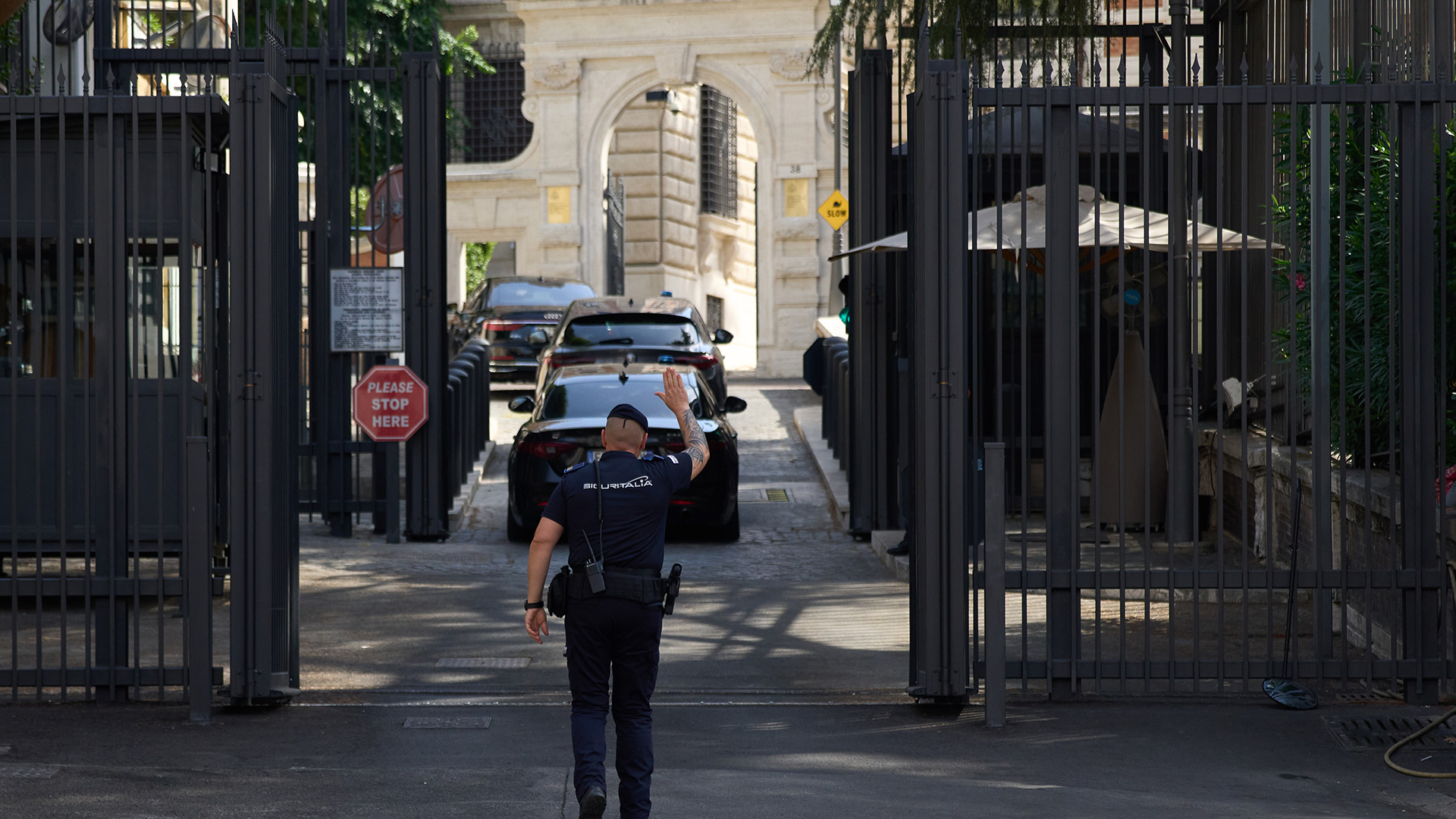
ERBIL (Kurdistan24) — Lebanon and Israel have concluded a new round of U.S.-mediated negotiations in Rome, agreeing to move forward with the implementation of two "pilot zones" in southern Lebanon as part of a broader framework aimed at reducing tensions and advancing a long-term security agreement.
A U.S. official said the two days of talks, held on Wednesday under Washington's mediation, ended with "productive and positive discussions." According to a statement shared by the U.S. Embassy in Beirut, the delegations agreed on the structure and guidelines for the pilot zone process, which is expected to be finalized and implemented in the coming days.
The Rome negotiations followed a framework agreement reached last month after five rounds of talks in Washington. Lebanese officials are seeking progress toward the gradual withdrawal of Israeli forces from southern Lebanon, a key demand in the negotiations.
The framework aims to end the state of war between Israel and the Iran-backed Hezbollah group by establishing pilot security zones in southern Lebanon, deploying Lebanese troops to the area, facilitating the disarmament of Hezbollah, and gradually withdrawing Israeli forces.
However, the agreement does not include a timetable for Israel's withdrawal, a point that has drawn criticism. Hezbollah has rejected the framework, while Israeli officials have insisted their forces will remain in a 10-kilometer (six-mile) security zone along the border for as long as Hezbollah remains armed.
Israeli Foreign Minister Gideon Saar said on Tuesday that Israel is "ready to move forward implementing these two pilot zones," signaling support for the next phase of the agreement.
The U.S. official said negotiators will now proceed to expanded technical discussions focused on implementing all aspects of the trilateral framework with the goal of reaching a comprehensive agreement between Israel and Lebanon.
The current diplomatic effort follows a fragile ceasefire that ended the Israel-Hezbollah war. Despite the truce, Israel continues to carry out occasional airstrikes in southern Lebanon and conducts controlled demolitions in villages near the border where its forces remain deployed.
The Rome talks also come ahead of Lebanese President Joseph Aoun's scheduled visit to Washington on July 21, where he is expected to meet U.S. President Donald Trump to discuss the implementation of the agreement and broader regional security issues.