China, Pakistan Urge Immediate Ceasefire, Return to US-Iran Talks
According to a statement issued by China's Foreign Ministry, Chinese Foreign Minister Wang Yi and Pakistani Foreign Minister Ishaq Dar jointly urged all parties involved to "immediately cease hostilities" and resume dialogue to prevent further escalation.
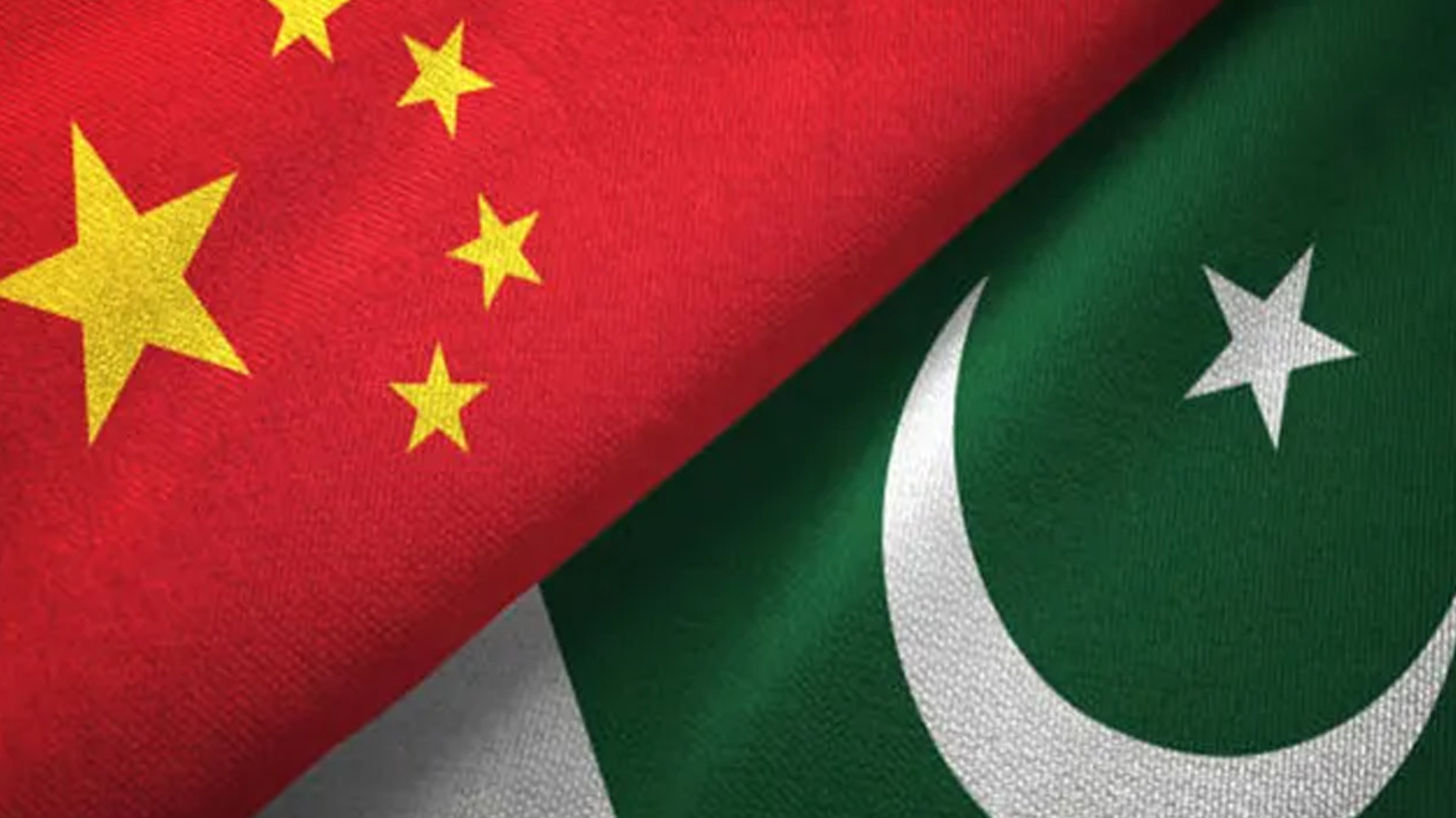
ERBIL (Kurdistan24) – China and Pakistan on Friday called on the United States and Iran to immediately halt hostilities and return to negotiations, expressing concern over the worsening conflict following a meeting between their foreign ministers in Shanghai.
According to a statement issued by China's Foreign Ministry, Chinese Foreign Minister Wang Yi and Pakistani Foreign Minister Ishaq Dar jointly urged all parties involved to "immediately cease hostilities" and resume dialogue to prevent further escalation.
Both Beijing and Islamabad have sought to mediate in the months-long Middle East conflict, which reignited after renewed fighting over the Strait of Hormuz, despite a preliminary peace agreement signed in June aimed at ending the war.
Describing the agreement as "hard-won," Wang stressed the importance of preserving recent diplomatic progress.
"Peace is before our eyes. We cannot fall at the last hurdle and even more so cannot lose what we have gained," Wang said.
The diplomatic appeal came as the United States and Iran exchanged another round of strikes on Friday. Tehran accused Washington of targeting civilian infrastructure, including an airport, a railway station, and two bridges.
In response, Iran said it launched a wave of drone strikes targeting U.S. military allies and infrastructure in Kuwait.
The latest escalation has further undermined hopes for a lasting ceasefire. Although the Strait of Hormuz briefly reopened following the June agreement, Tehran announced last week that the vital shipping route would remain closed "until the U.S. ends its aggression."
Meanwhile, the United States has reimposed a blockade on Iranian ports, adding to mounting regional tensions and raising concerns over global energy supplies.