Gulf on the Brink: Iran–US Clashes Threaten to Collapse Fragile Ceasefire
Missile strikes on UAE, naval confrontations in Strait of Hormuz, and rising oil prices signal dangerous regional escalation
A regional conflict driven by US–Iran rivalry, Israel’s role, and nuclear tensions, fueling military escalation. At its core is the Strait of Hormuz flashpoint, where threats to shipping risk disrupting global oil flows.
Missile strikes on UAE, naval confrontations in Strait of Hormuz, and rising oil prices signal dangerous regional escalation
Iran Expected to Respond Thursday to U.S. Proposal as Washington Pushes for Deal to End War Read More
Trump Says Iran ‘Took Some Shots’ in Strait of Hormuz, Urges South Korea to Join US Mission as Tensions Rise Read More
IRGC Says Trump Must Choose Between ‘Impossible’ Military Option or ‘Bad Deal’ Read More
Trump Cites new Iran Proposal After Canceling Pakistan trip as Islamabad Press Mediation Read More
'TRUMP CANCELS ENVOYS’ PAKISTAN TRIP' Fox News Read More
Iranian FM Departed Islamabad After Talks as Negotiations Remain Unresolved Read More
Trump Extends Ceasefire Window as Iran Divisions Delay Islamabad Talks: Axios Read More
Three Vessels hit by Iran's Gunfire in Strait of Hormuz as Maritime Tensions Escalate Read More
Trump Extends Iran Ceasefire Deadline, Maintains Naval Blockade as Talks Hang in Balance Read More
Trump Accuses Iran of Ceasefire Violations as Strait of Hormuz Crisis Deepens Read More
- Israeli authorities are set to indict three soldiers and one civilian on charges of espionage for Iran.
- The suspects, several of whom were students at an elite Air Force technical school, allegedly utilized the Telegram app to transmit intelligence on sensitive military installations and critical transit hubs.
- This case highlights a sophisticated digital grooming process targeting the Israeli security apparatus, with payments made via cryptocurrency to bypass traditional financial oversight.
The Strait of Hormuz has returned to a state of active military friction following a severe naval clash between U.S. and Iranian forces.
Tehran has branded Gulf states "reckless" while issuing a metaphorical warning that its "fangs" are out.
The escalation, which included missile strikes on the UAE's Fujairah energy hub, a critical bypass for global crude, marks the most significant threat to maritime stability since the April truce.
While the White House characterizes the day's violence as a "trifle," the systemic pressure on global energy corridors continues to mount.
Iran is expected to respond on Thursday to a U.S. proposal aimed at ending the ongoing conflict between the two countries, as diplomatic efforts intensify amid continued military tensions in the Strait of Hormuz.
Sources familiar with the negotiations told CNN that Washington and Tehran are moving closer to agreeing on a short memorandum that could formally halt the war and launch a new phase of talks focused on unresolved disputes, including Iran’s nuclear program, sanctions relief, and maritime security.
The United States and Iran are moving closer to a preliminary agreement aimed at ending the current conflict and opening the door for broader nuclear negotiations, according to multiple U.S. officials and sources familiar with the talks.
On Wednesday, U.S. officials told Axios that Washington and Tehran are discussing a one-page memorandum of understanding (MOU) that would establish a framework for a 30-day negotiation period focused on limiting Iran’s nuclear activities, easing sanctions, and reducing tensions in the Strait of Hormuz. According to the report, Washington expects Tehran to respond within the next 48 hours on several unresolved points, with officials describing the current stage as the closest both sides have come to an agreement since the conflict began on February 28.
U.S. President Donald Trump announced on Wednesday a temporary pause in a key military operation in the Strait of Hormuz, signaling a potential diplomatic breakthrough in ongoing efforts to end the conflict with Iran.
In a post on Truth Social, Trump said the decision followed requests from Pakistan and other countries, as well as what he described as “tremendous Military Success” and “Great Progress” toward a “Complete and Final Agreement” with Iranian representatives.
He added that while the broader U.S. naval blockade on Iran would remain fully in place, the operation known as “Project Freedom” — aimed at enabling the movement of ships through the strategic waterway — would be suspended briefly to assess whether a final deal could be reached.
US Central Command said on Tuesday that the aircraft carrier USS George H.W. Bush (CVN-77) is transiting the Persian Gulf as part of ongoing operations to enforce the naval blockade on Iran and support “Project Freedom” in the Strait of Hormuz, with the carrier carrying more than 60 aircraft on board. The deployment comes amid escalating tensions between Washington and Tehran following the outbreak of conflict on February 28, with the United States intensifying its military presence in the region to secure maritime routes and maintain pressure on Iran.
The move also follows a series of naval incidents in the Gulf, including vessel interceptions and competing restrictions on shipping lanes, underscoring the strategic importance of the Strait of Hormuz as a critical global energy corridor.
Iranian Foreign Minister Abbas Araghchi will travel to Beijing on Tuesday for talks, the foreign ministry said, amid stalled negotiations with the United States to end the Middle East war.
"During the visit, he will meet his Chinese counterpart (Wang Yi) to discuss bilateral ties and regional and international developments," the ministry said in a brief statement.
U.S. President Donald Trump rejects prolonged war but insists Iran must not obtain nuclear weapons, as U.S. boosts military readiness and escorts shipping in the Strait of Hormuz amid rising tensions.
US President Donald Trump said Iran had “taken some shots” but caused little damage in the Strait of Hormuz on Monday, while urging South Korea to join a US-led mission after one of its commercial vessels was reportedly struck.
In a post on Truth Social, Trump said there had been no significant damage to shipping apart from a South Korean cargo ship, describing the situation as part of what he called “PROJECT FREEDOM.” He added that it might be “time for South Korea to come and join the mission.”
US Central Command said that no U.S. Navy vessels have been struck, rejecting claims by Iranian state media that two missiles hit an American warship.
“Iranian state media claims that Iran's Islamic Revolutionary Guard Corps hit a U.S. warship with two missiles,” CENTCOM said in an official X post, adding: “No U.S. Navy ships have been struck.”
Earlier the same day, Fars News Agency, Iranian State Media, reported that the IRGC had targeted a U.S. warship in the Strait of Hormuz, a claim not independently verified and denied by U.S. officials.
CENTCOM emphasized that U.S. forces remain fully operational and continue enforcing the naval blockade on Iranian ports, while supporting maritime security operations under what U.S. officials have described as “Project Freedom,” announced on Sunday.
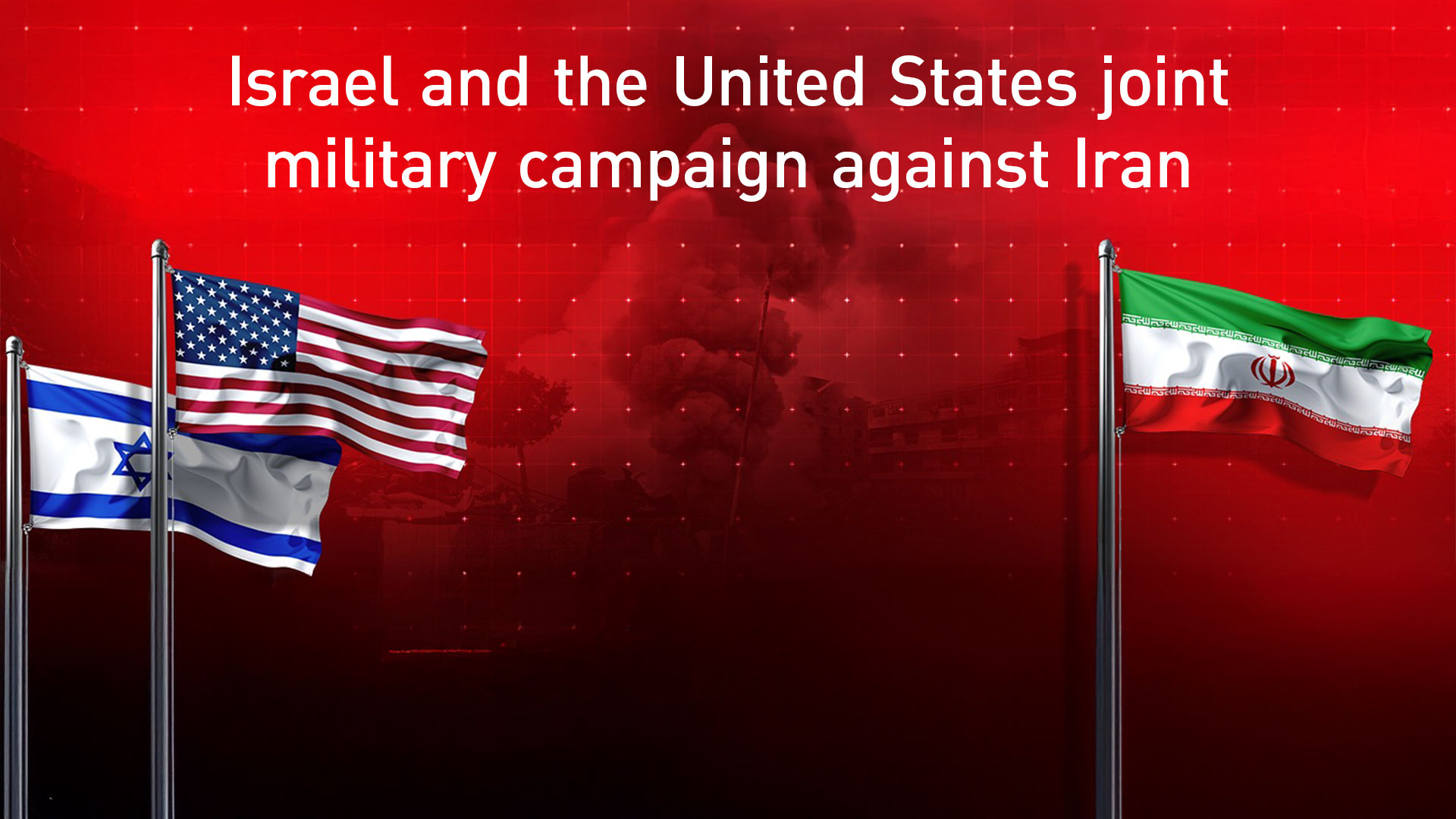
The latest exchange comes amid a broader conflict that began on February 28, when U.S. and Israeli strikes on Iranian targets triggered a regional escalation, according to multiple international media reports at the time.