COVID-19 Updates: Iraq reports 49 new cases; none in Kurdistan Region
Health authorities in Iraq and the Kurdistan Region on Wednesday reported 49 and zero coronavirus cases, respectively, over the preceding 24 hours of testing patients for the new disease, formally known as COVID-19.
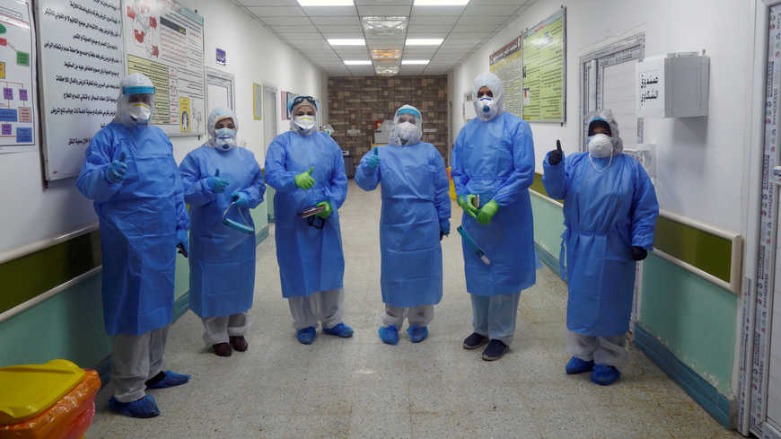
ERBIL (Kurdistan 24) – Health authorities from the Iraqi federal government reported 49 new coronavirus cases over the past 24 hours while their counterparts in the autonomous Kurdistan Region reported zero new infections for the same period.
The Kurdistan Regional Government (KRG) Health Ministry said in a statement that 1,141 recent coronavirus tests had come back as negative. Out of the total, 474 of the examinations had been carried out in Erbil province, 319 in Sulaimani, 312 in Duhok, ten in Halabja, and 26 in the Raparin administration.
Since the outbreak began, the ministry reported, health teams in the Kurdistan Region have performed 48,804 tests, finding 391 cases of the disease including five fatalities. The statement noted that 36 infected patients remain under medical supervision.
The KRG announced on Friday that it was extending its the regionwide curfew until May 10, amid a slight increase in the number of COVID-19 cases.
Related Article: KRG extends curfew amid uptick in COVID-19 cases
The federal Health Ministry in Baghdad issued a statement in which it explained that "specialized laboratories" had conducted 4,242 tests across Iraq in the past 24 hours, excluding the Kurdistan Region. Out of all of them, 49 came back as positive: 31 in Baghdad province, 11 in Basra, three in Karbala, one in Muthanna. The remaining three were from the previous day in the Kurdistan Region's Erbil province, included in Tuesday's KRG Health Ministry figures.
The timing of statements by the two regional and federal ministries sometimes results in such apparent inconsistencies, largely because Iraqi statements are released earlier in the day than the KRG's.
Iraq's total coronavirus cases have now reached 2,480, as reported by the authorities, including 102 deaths and 1,602 recoveries.
Despite its slowed growth, the virus continues to spread globally, even as countries take steps to ease unprecedented restrictive measures to contain the disease. The economic impact is already being felt around the world, with unemployment rising significantly and reduced productive output in multiple industries.
On Wednesday, the KRG's Council of Ministers issued a set of decisions aimed at tackling a looming financial crisis due to the pandemic and measures to contain it, plummeting oil prices, and Baghdad's recent decision to suspend monthly payments of the Kurdistan Region's share of the national budget.
Read More: Kurdistan Region cabinet approves plan for economic crisis caused by COVID-19, oil disputes
In late April, the representative of the World Health Organization (WHO) in Iraq applauded the success of the KRG's efforts to combat the disease.
"I want to congratulate the Kurdistan Region on their achievement in fighting the coronavirus," he said, adding, "The rate of COVID-19 infections and fatalities in the region is very low compared to other Iraqi governorates."
Read More: WHO congratulates Kurdistan Region on coronavirus response
The coronavirus has infected over 3.75 million people worldwide and killed more than 263,000, according to government-reported data compiled by Johns Hopkins University. The actual figures could be dramatically higher due to insufficient testing capabilities or underreporting.
Editing by John J. Catherine