Iran Summons French Envoy Over Cannes Victory Remarks by French Minister
"In a gesture of resistance against the oppression of the Iranian regime, Jafar Panahi takes home a Palme d'Or that rekindles hope for all freedom fighters around the world," Barrot wrote.
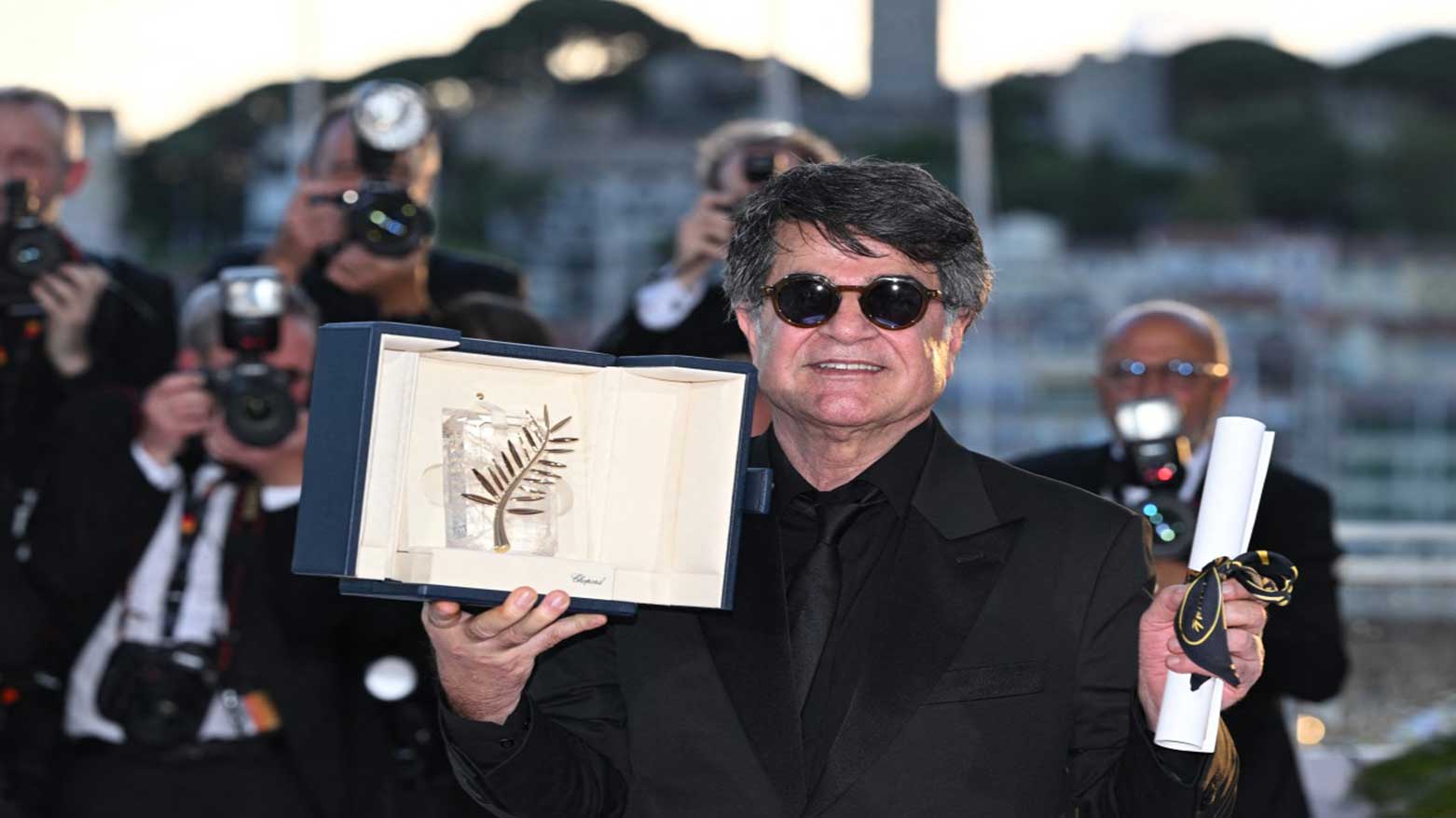
ERBIL (Kurdistan24) — France’s envoy in Tehran was summoned on Sunday after French Foreign Minister Jean-Noël Barrot hailed the Cannes Film Festival victory of Iranian dissident filmmaker Jafar Panahi as “a gesture of resistance” against the Iranian regime, according to Agence France-Presse (AFP).
Barrot’s statement, posted on X following Panahi’s win of the prestigious Palme d’Or on Saturday, described the filmmaker’s achievement as a symbolic act against “the Iranian regime’s oppression.”
"In a gesture of resistance against the oppression of the Iranian regime, Jafar Panahi takes home a Palme d'Or that rekindles hope for all freedom fighters around the world," Barrot wrote.
Dans un geste de resistance contre l'oppression du régime iranien, Jafar Panahi emporte une Palme d'Or qui ravive l'espoir pour tous les combattants de la liberté, partout dans le monde. pic.twitter.com/AAXoUmLg8d
— Jean-Noël Barrot (@jnbarrot) May 24, 2025
Panahi, 64, received the top prize at the Cannes festival for his new political drama, "It Was Just an Accident", which tells the story of five Iranians confronting a man they believe tortured them while in prison. The film, inspired by Panahi’s own time in detention, features several actresses appearing without veils—an open challenge to Iran’s strict mandatory hijab laws.
Iran’s state news agency IRNA reported that the French chargé d’affaires in Tehran was summoned in protest over what it described as “insulting remarks and unfounded allegations” by Barrot. Tehran accused France of “misusing the Cannes Film Festival to promote a political agenda against the Islamic Republic.”
The film’s critical tone and bold defiance of Iranian state controls sparked strong reactions in Iranian media. The conservative Fars News Agency claimed the Cannes jury’s decision was “not uninfluenced by the political issues surrounding Jafar Panahi inside Iran,” suggesting the award was politically motivated. In contrast, reformist outlets such as Etemad, Shargh, and Ham Mihan reported Panahi’s win online but stopped short of giving it front-page coverage, possibly due to timing or editorial caution.
Meanwhile, Iran’s state broadcaster ignored Panahi’s achievement entirely, focusing instead on the government-endorsed “Resistance” film festival, which promotes pro-Palestinian narratives and themes from the Iran-Iraq war.
Panahi, who has faced repeated arrests and has been banned from filmmaking in Iran since 2010, addressed the Cannes audience with a message of national unity. Speaking to journalists after the screening, he confirmed his immediate return to Iran and expressed no fear of arrest. “Not at all. Tomorrow we are leaving,” he said. On Sunday, he posted a photo with his film crew on Instagram with the caption: “Travellers return home.”
This marks only the second time an Iranian director has won the Palme d’Or, following Abbas Kiarostami’s 1997 win for Taste of Cherry. Both Panahi and Kiarostami have spent their careers battling censorship at home, while their work was celebrated abroad.