Türkiye’s Defense Ministry: SDF Must Join Syrian Army "Individually, Not as a Unit"
Türkiye's Defense Ministry reiterated that SDF members must integrate individually into the Syrian army under the March 10 deal, not as a unit, as a DEM Party delegation met with MHP leader Devlet Bahçeli to discuss peace legislation.
ERBIL (Kurdistan24) - Türkiye underscored its position on the future of the Syrian Democratic Forces (SDF) under the March 10 Agreement, as the Ministry of National Defense (MND) reiterated that SDF members must join the Syrian army individually, not as an organized force. The statement came on a day marked by significant political engagements in Ankara, including a rare meeting between the DEM Party’s İmralı delegation and MHP leader Devlet Bahçeli, alongside President Recep Tayyip Erdoğan’s separate talks with Russian President Vladimir Putin in Ashgabat.
In a press briefing outlining the Turkish Armed Forces’ counterterrorism operations, border security measures, and defense industry activities, MND officials addressed the SDF’s status under the March 10 Agreement.
“We have previously expressed that the SDF terrorist organization must integrate into the Syrian army individually, not as a unit, within the framework of the March 10 Agreement,” the ministry stated.
The briefing noted that Defense Minister Yaşar Güler had already articulated this stance during parliamentary budget discussions. The ministry added that despite the agreement, the SDF “continues its activities instead of integrating into the Syrian army,” arguing that this undermines ongoing efforts to establish security and stability in Syria.
According to the ministry, the conduct of “some countries,” through both actions and rhetoric, has encouraged the SDF not to integrate or disarm. The statement concluded that “the SDF terrorist organization’s attempts to buy time are futile. There is no alternative to integration.”
In a parallel political development, a delegation from the Peoples’ Equality and Democracy Party (DEM Party) — consisting of Pervin Buldan, Mithat Sancar, and Faik Özgür Erol — met on Friday with MHP Chairman Devlet Bahçeli at the Turkish Grand National Assembly.
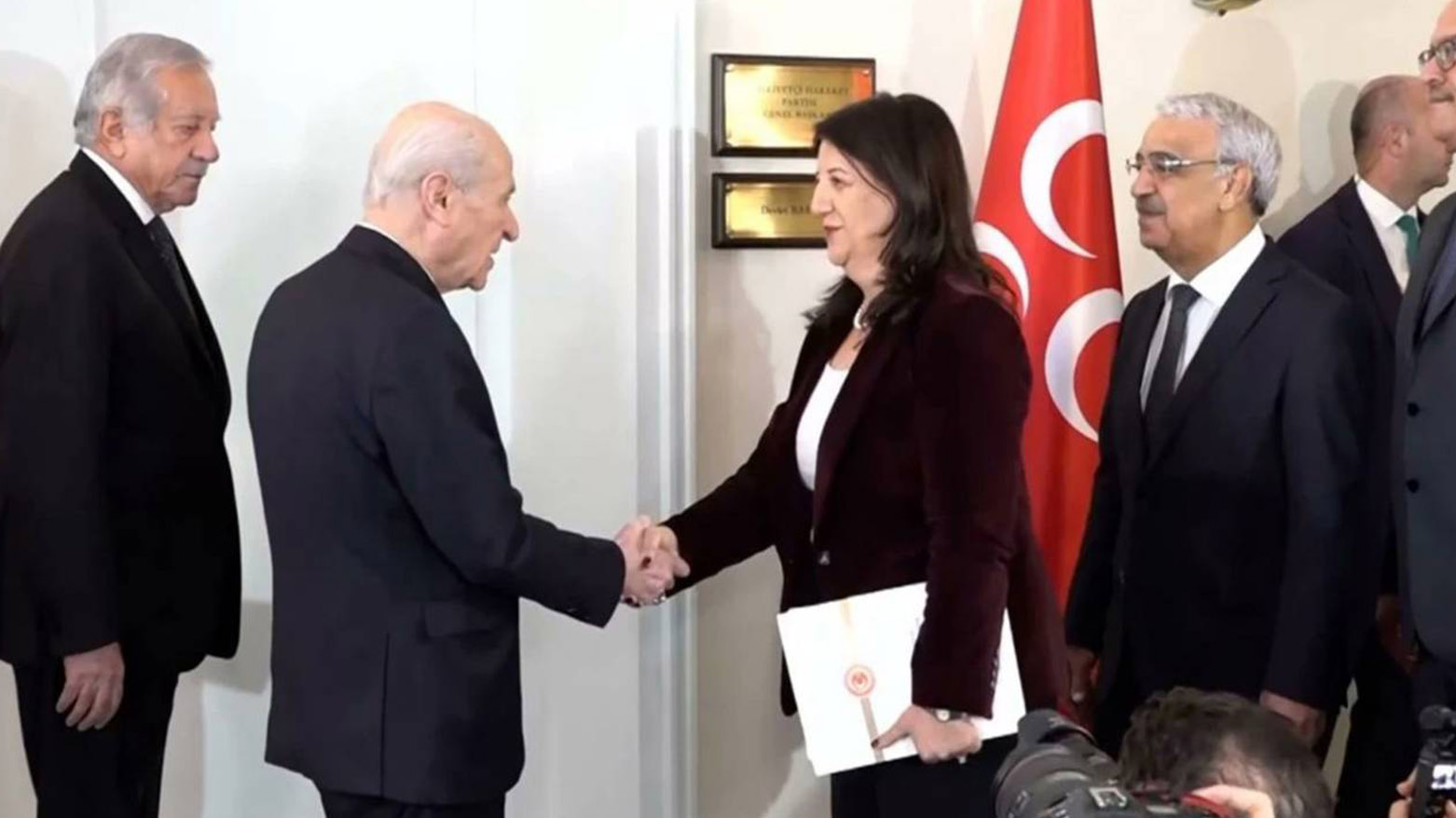
Buldan described the meeting as “very productive,” explaining that the delegation briefed Bahçeli on their 2 December visit to İmralı and subsequent public debates.
“We discussed the stage reached in the process and held consultations on what needs to be done going forward,” she said. “We believe we have entered a second phase, which requires a legal and institutional basis. This legal framework must, of course, be a peace law.”
Buldan added that the delegation conveyed its expectations regarding such legislation and requested Bahçeli’s support, praising his “valuable contributions” since the beginning of the process.
Bahçeli, responding briefly, said: “Pervin Hanım expressed everything transparently. I sign every sentence she said.”
Meanwhile, Turkish President Recep Tayyip Erdoğan held talks with Russian President Vladimir Putin in Ashgabat, where both leaders attended events marking the 30th anniversary of Turkmenistan’s permanent neutrality status.
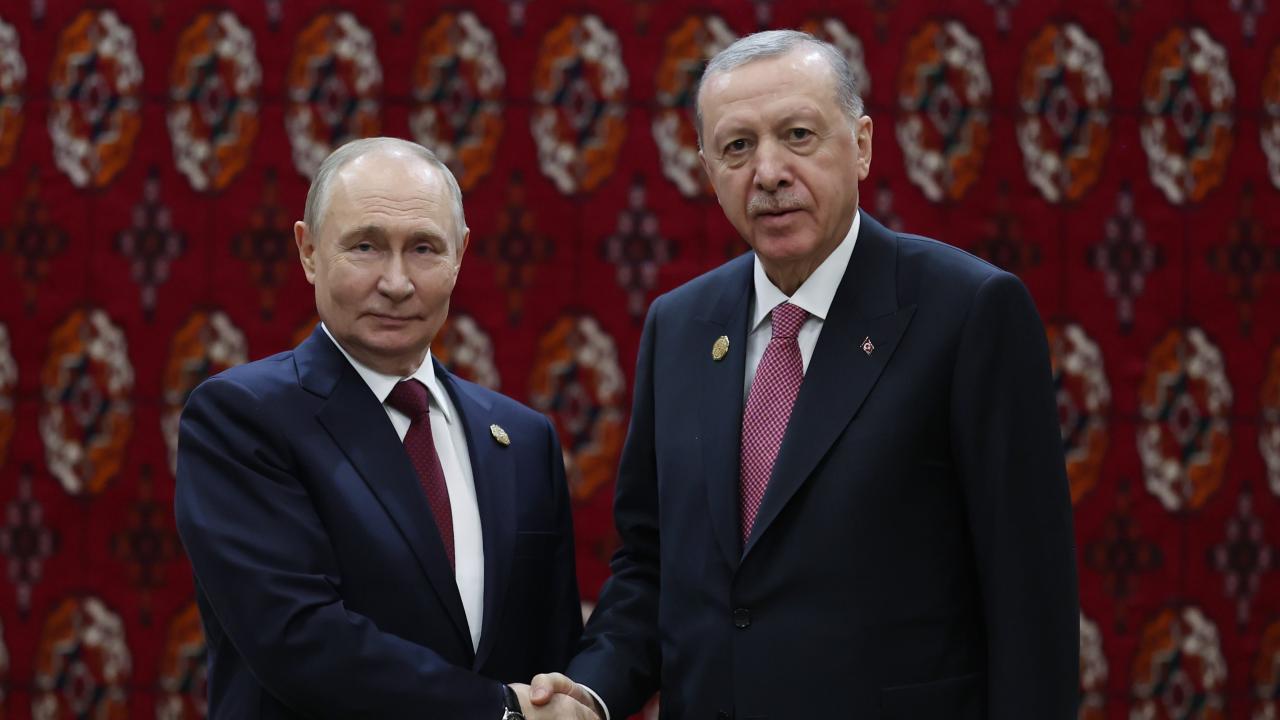
The meeting took place at Erdoğan’s hotel following the “International Peace and Security Forum,” part of his wider diplomatic engagements in the Turkmen capital.
Accompanying Erdoğan were Foreign Minister Hakan Fidan, Energy and Natural Resources Minister Alparslan Bayraktar, National Intelligence Organization (MIT) Director İbrahim Kalın, Presidency Communications Director Burhanettin Duran, Presidential Chief Advisor on Foreign Policy and Security Akif Çağatay Kılıç, and AK Party Deputy Chair Halit Yerebakan.
No further details of the discussions were disclosed, though the high-level participation underscored Ankara’s continued coordination with Moscow amid shifting regional security dynamics.
Türkiye’s reaffirmation of its expectations for SDF integration, the DEM–MHP meeting signaling a potential new legislative phase in the İmralı process, and Erdoğan’s strategic dialogue with Putin collectively highlight Ankara’s active and multifaceted approach to regional policy. With critical political, military, and diplomatic tracks unfolding in parallel, Ankara continues to position itself at the center of evolving regional negotiations, security arrangements, and political processes.