Syria’s Interim President Declares ‘First Day Without Sanctions’ as US Strikes ISIS Targets Hours Later
Syrian Interim President Ahmad al-Sharaa declared Dec. 19, 2025, the first day without Caesar Act sanctions, marking a new phase of recovery, as the US simultaneously struck over 70 ISIS targets in Syria following the deadly Palmyra attack.
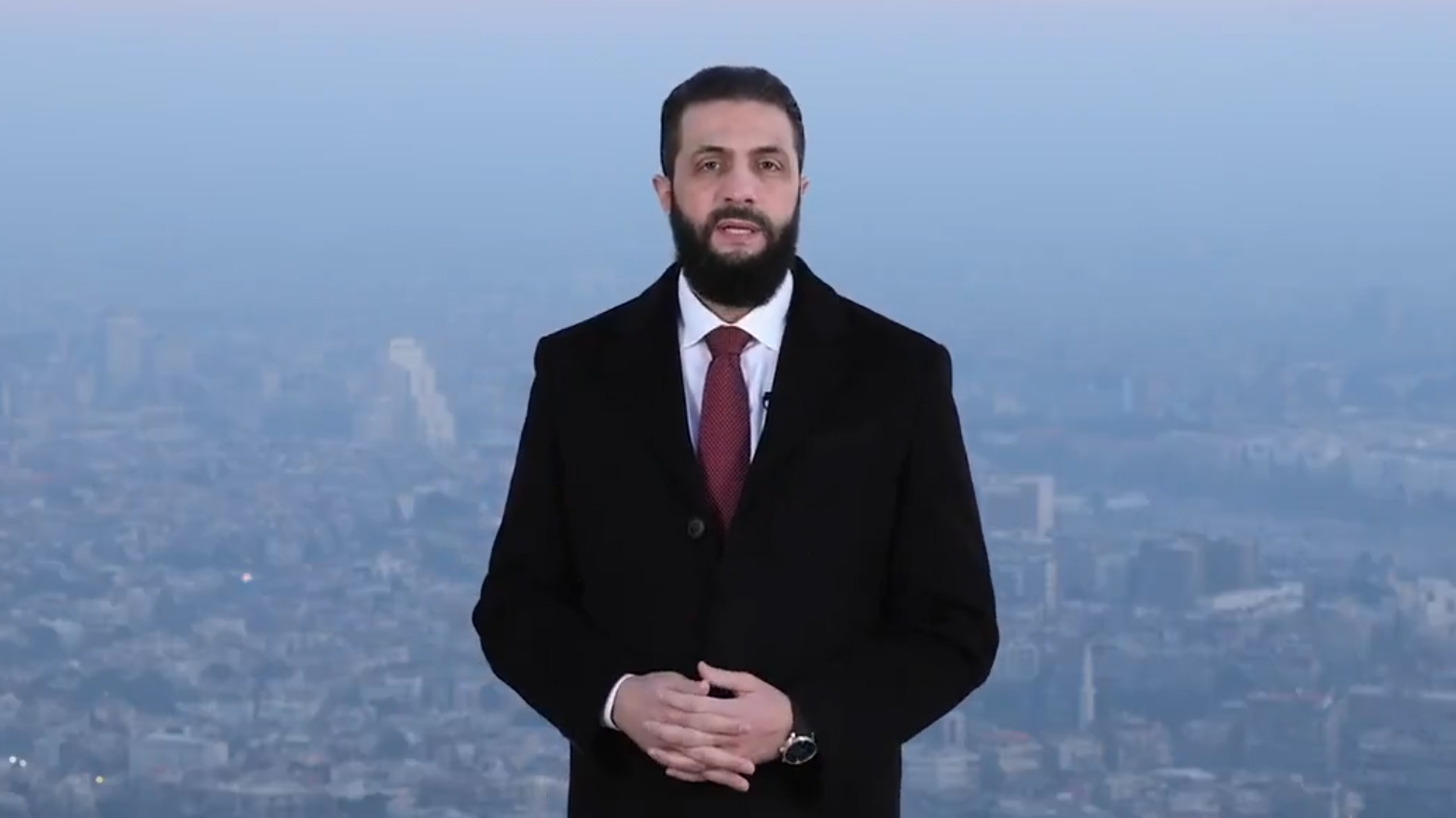
ERBIL (Kurdistan24) - From the heights of Mount Qasioun overlooking Damascus, Syrian President Ahmad al-Sharaa declared what he described as a historic turning point for his country, announcing the formal end of Caesar Act sanctions and proclaiming Friday, as “the first day of a Syria without sanctions.”
In a nationally broadcast speech delivered above the capital, al-Sharaa congratulated the Syrian people and framed the lifting of sanctions as the culmination of “14 years of patience, steadfastness, calm, and sacrifice.” He said the country was entering a new phase of reconstruction and development, while paying tribute to those who lost their lives or endured displacement during years of war.
“Today, Friday, is the first day of a Syria without international sanctions and blockades,” al-Sharaa said, adding that the era of suffering had ended and that the time had come to rebuild the nation “hand in hand” and elevate it to the highest levels of development.
The Syrian president expressed explicit gratitude to US President Donald Trump and members of the US Congress for what he called a historic decision, singling out the repeal of the Caesar Act as a decisive response to the demands of the Syrian people. He also thanked Turkish President Recep Tayyip Erdogan, Saudi Crown Prince Mohammed bin Salman, Qatari Emir Tamim bin Hamad Al Thani, and Arab, Islamic, and European countries that supported Syria during the transition and conflict years.
However, the political breakthrough was immediately followed by a sharp military escalation. The United States carried out strikes on more than seventy Islamic State targets across central Syria, in what President Trump described as “very serious retaliation” for the Dec. 13 attack in Palmyra that killed two US soldiers and a civilian interpreter.
According to a statement from US Central Command (CENTCOM), American forces used fighter jets, attack helicopters, and artillery to hit multiple locations, employing more than one hundred precision-guided munitions. The targets included known ISIS infrastructure and weapons sites. The strikes came after a lone Islamic State gunman carried out the Palmyra attack before being shot dead.
The repeal of the Caesar Act had been publicly confirmed earlier by US Special Envoy for Syria Tom Barrack, who thanked Trump and Congress for dismantling the sanctions framework. Barrack described Syria’s future as resembling “weaving a Damascus rug,” with the country’s diverse communities forming the horizontal threads and cooperation with culturally diverse neighbors forming the vertical ones, ultimately binding “tolerance, prosperity, and—most importantly—trust.”
The near-simultaneous lifting of sanctions and the US military strikes highlighted the complex reality facing post-sanctions Syria: a country stepping into a new economic and diplomatic chapter while still confronting unresolved security threats and active militant violence on its territory.
As Damascus celebrates the end of one of the most far-reaching sanctions regimes in its modern history, the events of Friday underscored that Syria’s transition will unfold under the shadow of both opportunity and continued conflict.