Iraq Sounds Alarm on Desertification, Calls for Urgent Reforms to Protect Food Security
A new report issued by the Central Statistical Organization (CSO) of the Ministry of Planning shows that land at risk of desertification has expanded to 96.5 million dunams, while more than 40 million dunams have already turned into desert.
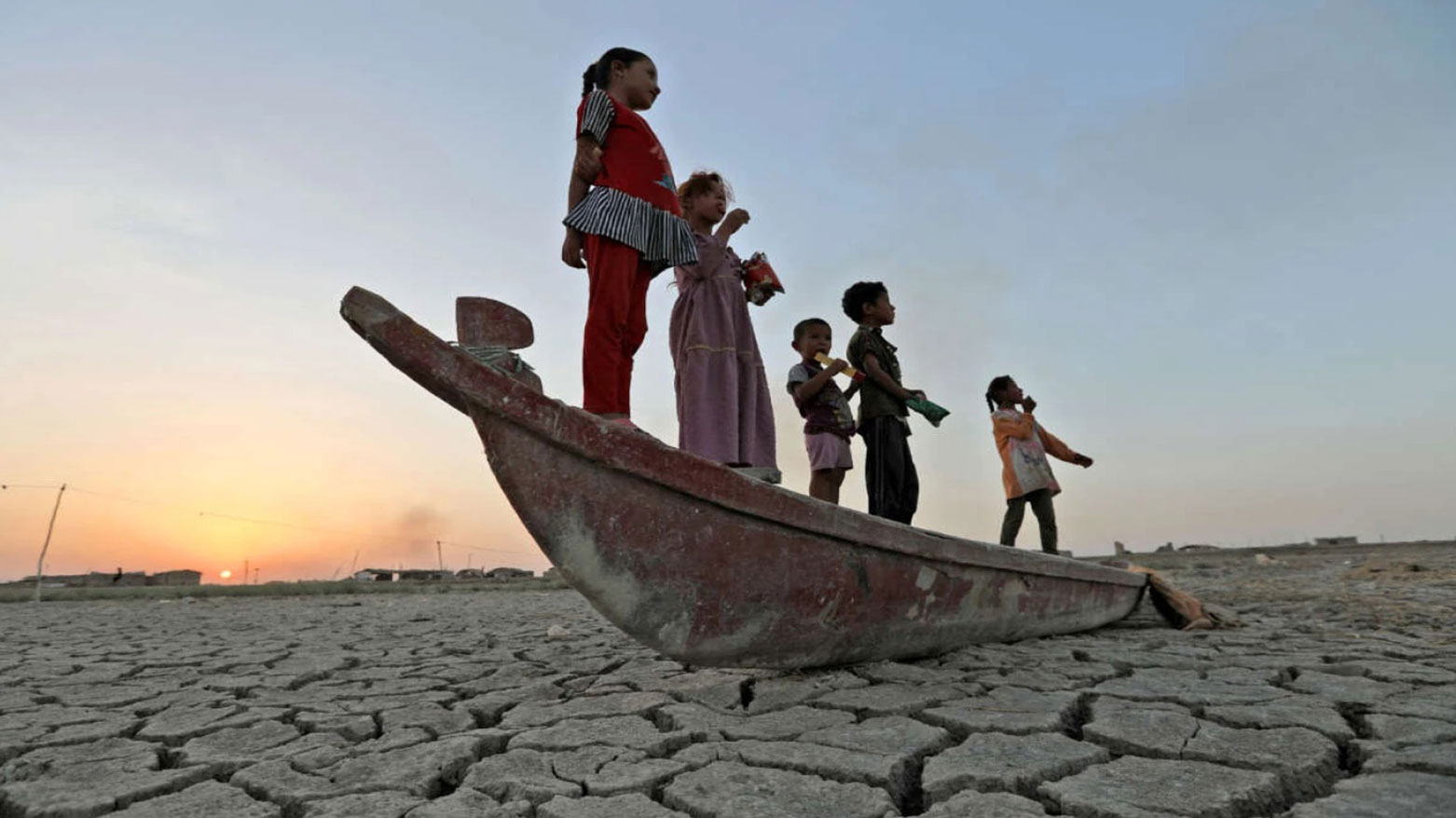
ERBIL (Kurdistan24) — Iraqi authorities and environmental experts are raising the alarm over the accelerating spread of desertification across the country, warning that the phenomenon has moved beyond early warning signs and now poses a direct threat to national food security and livelihoods.
A new report issued by the Central Statistical Organization (CSO) of the Ministry of Planning shows that land at risk of desertification has expanded to 96.5 million dunams, while more than 40 million dunams have already turned into desert. The findings highlight the scale of the environmental challenges facing Iraq, one of the world’s most climate-vulnerable countries.
According to the report, the total cultivated area in 2024 stood at just 11.9 million acres. Of particular concern is the sharp decline in farmland dependent on river water, which has fallen to around 1.5 million acres—an indicator, experts say, of shrinking water flows in the Tigris and Euphrates river systems.
Specialists attribute the worsening situation to a combination of regional and domestic factors. Upstream water policies by neighboring countries, including dam construction and changes to river courses in Turkey and Iran, have significantly reduced Iraq’s share of surface water. At the same time, Iraq ranks among the five countries most affected by climate change, experiencing rising temperatures, prolonged droughts, and declining rainfall.
Domestic water management challenges have compounded the crisis. Experts point to the limited adoption of modern irrigation techniques, overreliance on groundwater wells, declining aquifer levels, and increasing soil salinity as key contributors to land degradation.
“What we are witnessing is not merely a temporary change, but a systematic destruction of the foundations of agricultural production,” said Saleh Mahdi, an agricultural engineer, warning that delayed action could make recovery far more difficult.
The consequences of desertification extend beyond agriculture. Environmental specialists caution that the loss of vegetation has intensified dust storms, affecting public health across the country. Lower river levels have also reduced fish stocks and agricultural output, further pressuring local food supplies.
Social impacts are becoming increasingly visible. The decline in farming capacity has driven waves of rural migration toward major cities, placing additional strain on urban services and increasing Iraq’s dependence on imported wheat, vegetables, and other basic food items.
Once known as the fertile “Land of the Two Rivers,” Iraq has gradually shifted toward a heavy reliance on food imports following decades of conflict, sanctions, and underinvestment in agriculture. Experts say reversing this trend remains possible but requires decisive action.
They stress that adopting modern irrigation technologies, rehabilitating degraded land, and strengthening water diplomacy with neighboring countries are essential steps to preventing an environmental and food-security crisis that could prove difficult to reverse.
Despite the severity of the findings, officials and specialists say the report provides a critical roadmap—one that, if acted upon swiftly, could help Iraq protect its remaining agricultural lands and safeguard future generations.