Damascus Hosts Cultural Exhibition Showcasing Kurdish History and Afrin’s Heritage
Damascus hosted "The Meeting of Jasmine and Olive" exhibition, displaying art, handicrafts, and costumes to celebrate Afrin's Kurdish culture and Syrian diversity.
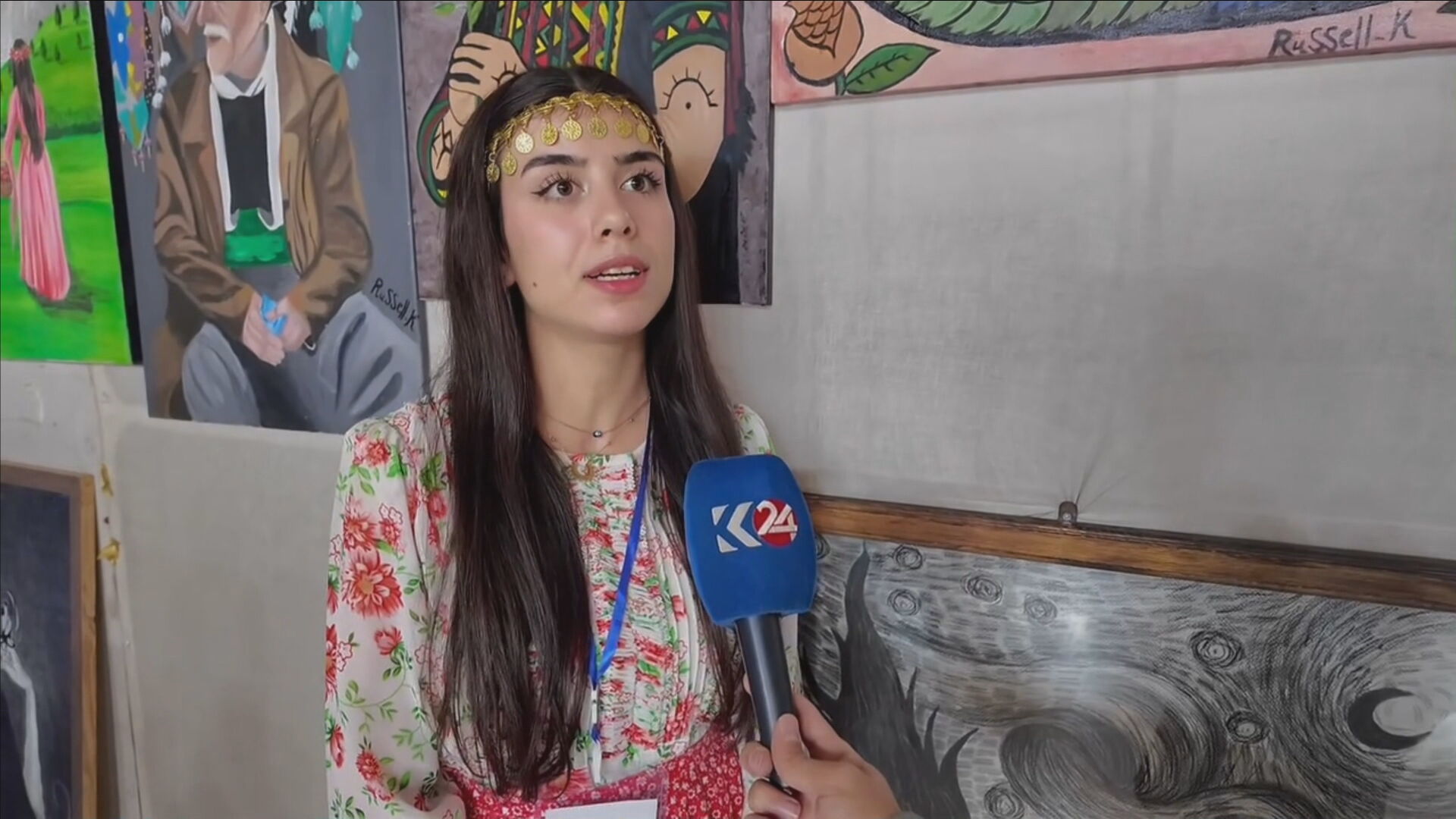
ERBIL (Kurdistan24) — In a significant cultural development within the Syrian capital, the National Library and the adjacent Umayyad Square became the focal points for a comprehensive artistic exhibition dedicated to the heritage of the Kurdish people. Titled "The Meeting of Jasmine and Olive," the event brought together hundreds of artistic works, handicrafts, and cultural displays aimed at projecting the authentic culture of the Afrin region and highlighting the broader Kurdish history.
The gathering served as a platform for expressing the richness of Syrian society, emphasizing a message of peace and the strength found in the cultural diversity of the nation's various religious and ethnic components.
The exhibition was characterized by an extensive collection of visual arts, featuring hundreds of paintings that were specifically curated to narrate elements of Kurdish history.
These works provided a visual documentation of the unique characteristics of the Afrin region, a area known for its distinct cultural identity.
The organizers of the event utilized the prominent venues of the National Library and Umayyad Square to present these themes to a wider audience, seeking to draw attendees' attention to the historical depth and authenticity of the region.
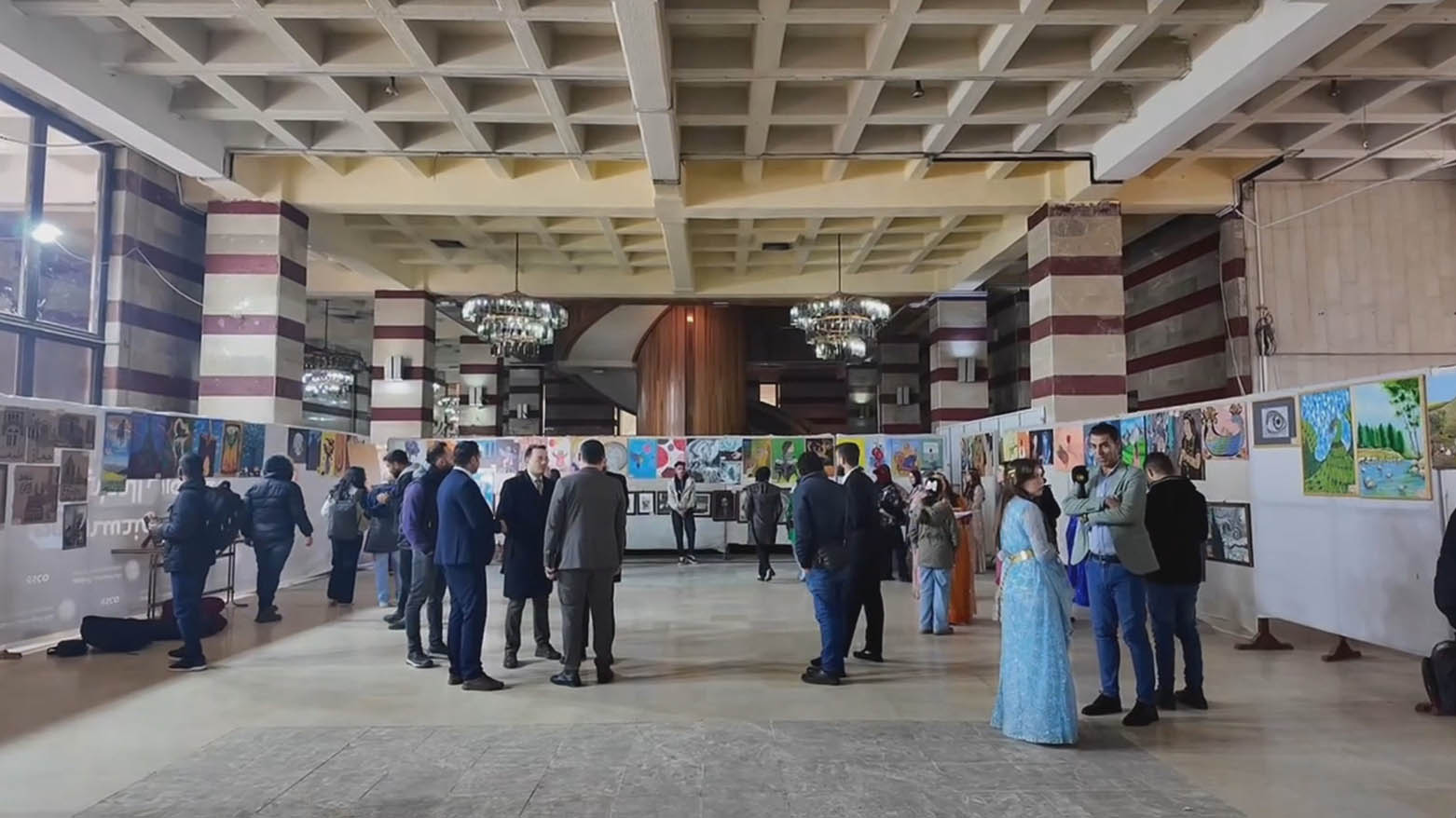
Central to the event’s objective was the promotion of cultural pluralism. By showcasing the specific traditions of the Kurds of Western Kurdistan, also known as Rojava, within the heart of Damascus, the activity aimed to underscore the cohesive potential of Syria’s diverse demographics.
The event was framed not merely as an art show, but as a deliberate effort to convey a message of peace and to demonstrate that the variety of religious and ethnic groups constitutes a fundamental strength for Syrian society.
The "Meeting of Jasmine and Olive" did not limit its scope to static displays of paint and canvas. It included a vibrant array of handicrafts and several artistic and cultural segments designed to explore the nuances of the Kurdish national identity.
These presentations were intended to educate and engage the public regarding the specific heritage of Afrin, ensuring that the distinct cultural markers of the region were represented with accuracy and authenticity.
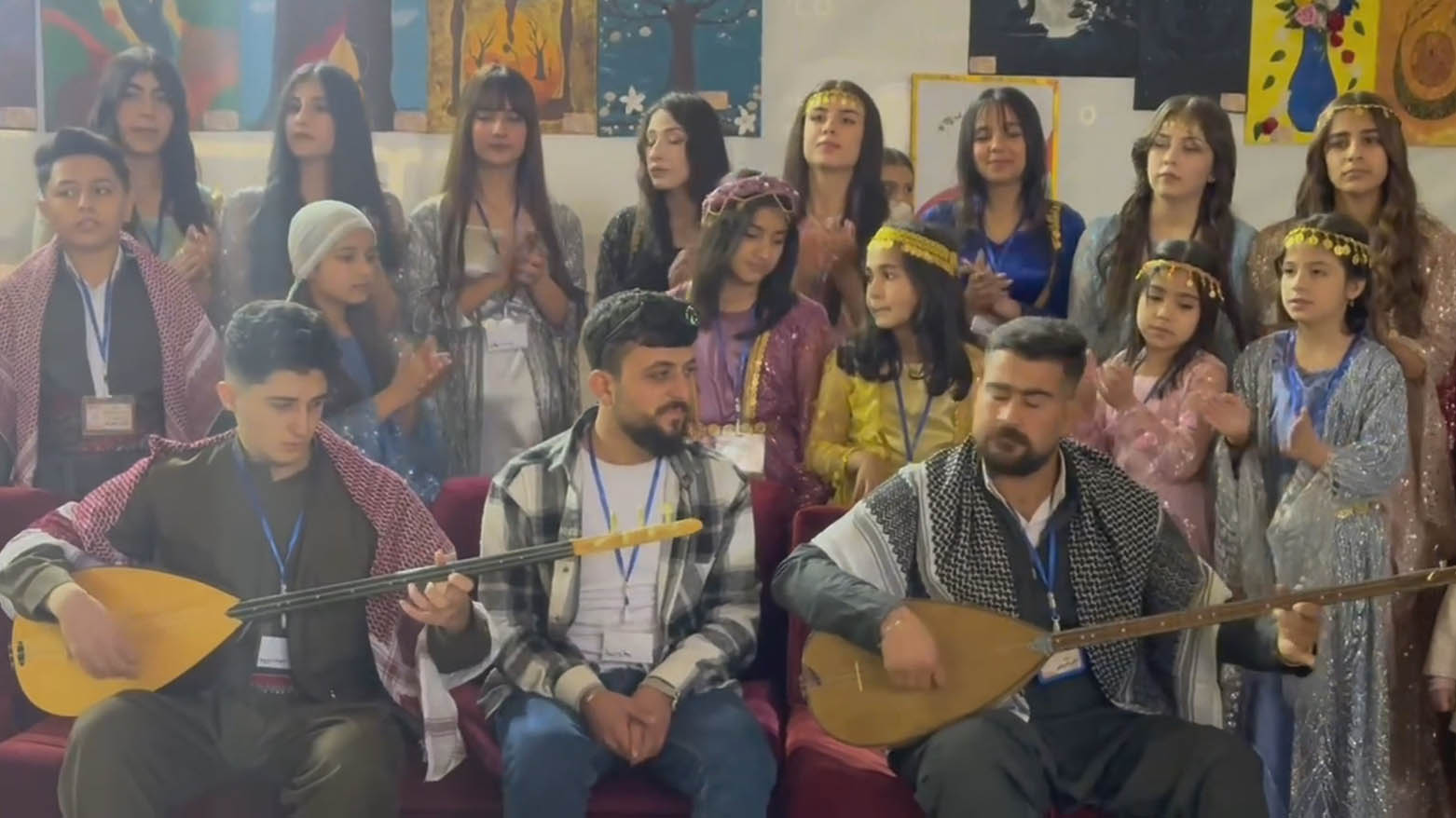
Among the various elements of the exhibition, the traditional sartorial heritage of the region played a defining role.
Folkloric costumes, distinguished by their authentic colors and intricate designs, became the main identity of the activity, offering a tangible representation of the community's history. Participants donned these traditional garments to physically embody the culture they were celebrating. Hanadi Choman, a participant in the activity, emphasized the personal significance of this cultural expression.
"I liked wearing the cultural dress of Afrin to show the authentic culture of the region," Choman said, reflecting on her participation in the event.
She noted the positive reception from the public and the atmosphere of the gathering. "In that exhibition, we saw cultural diversity; it was a very beautiful work, and the people were happy." Her comments highlighted the event's success in fostering a sense of shared appreciation among the attendees, who engaged with the displays of diverse cultural heritage.
The artistic contributions were both personal and extensive. Russell Khalil, another participant in the activity, detailed the specific nature of the contributions made by artists to the exhibition. "We are showcasing Kurdish culture, specifically the culture of Afrin," Khalil stated.
He explained the depth of the artistic engagement, noting, "We participated with six paintings, and each painting is an expression." This statement underscored the intent behind the visual arts displayed; each piece served as a deliberate narrative tool designed to communicate specific aspects of the culture and history being honored.

The event also incorporated performance elements involving the younger generation, ensuring that the transmission of culture extended to the youth. Participating children were central to several artistic scenes presented during the gathering.
Through these performances, the children showcased the authentic culture of the Kurdish people, bridging the gap between historical tradition and the future of the community. The involvement of children was seen as a vital component of the event’s broader mission to preserve and propagate the region's heritage.
Observers monitoring the cultural landscape in Damascus have noted the significance of conducting such activities in the current context.
There is a prevailing belief among these observers that events like "The Meeting of Jasmine and Olive" are crucial for raising the level of understanding among future generations. By institutionalizing the display of diverse cultural histories, such as that of Afrin, the event reinforces the value of cultural diversity as a stabilizing and empowering force for society.
Furthermore, the observers emphasized the utility of art as a medium for social communication. They argued that art represents the best and most effective language for conveying complex messages of identity, history, and peace.
In this view, the hundreds of paintings and handicrafts displayed at the National Library were not just aesthetic objects but communicative instruments capable of bridging gaps between different segments of the population.
The thematic focus on "The Meeting of Jasmine and Olive" served as a symbolic representation of the event's goals, linking the iconic symbols of different regions to suggest a harmonious convergence.
By highlighting the richness and diversity of Syrian society through this specific lens, the activity sought to present a narrative of inclusivity. The presence of handicrafts alongside fine art allowed for a comprehensive depiction of the region’s material culture, offering a multi-dimensional view of life and history in Afrin.

The gathering in Umayyad Square and the National Library provided a high-profile public space for these expressions, validating the importance of the Kurdish component within the national cultural mosaic.
The emphasis on the "authentic culture" of Afrin suggests a concerted effort to preserve specific regional identities against the erosion of time, ensuring that the unique characteristics of the region remain a visible and celebrated part of the country's collective heritage.
Through the combination of visual arts, traditional clothing, and performance, the event successfully drew attention to the deep historical roots of the Kurds in the region.
The presentation of the Kurdish national identity within this framework allowed for a celebration of distinctiveness that simultaneously contributed to the broader theme of national diversity. The positive public reaction, as noted by participants like Hanadi Choman, indicated a public appetite for such cultural exchanges.
Ultimately, the exhibition in Damascus stood as a testament to the enduring power of cultural expression. By focusing on the history and authenticity of Afrin, the organizers provided a space for dialogue and recognition, leveraging the soft power of art to foster an environment of peace and mutual respect among the various components of Syrian society.
The event underscored the idea that the preservation of specific cultural identities, such as that of the Kurds, is integral to the strength and richness of the wider social fabric.
Kurdistan24 correspondent Raman Haso contributed to this report.