147 Kurdish Migrants Stranded in Libya as Families Appeal for Urgent Action
Relatives say the migrants initially attempted to reach Europe through the perilous Libyan route but became trapped after the smuggler responsible for their journey failed to move them onward, citing the dangers of the route. Families
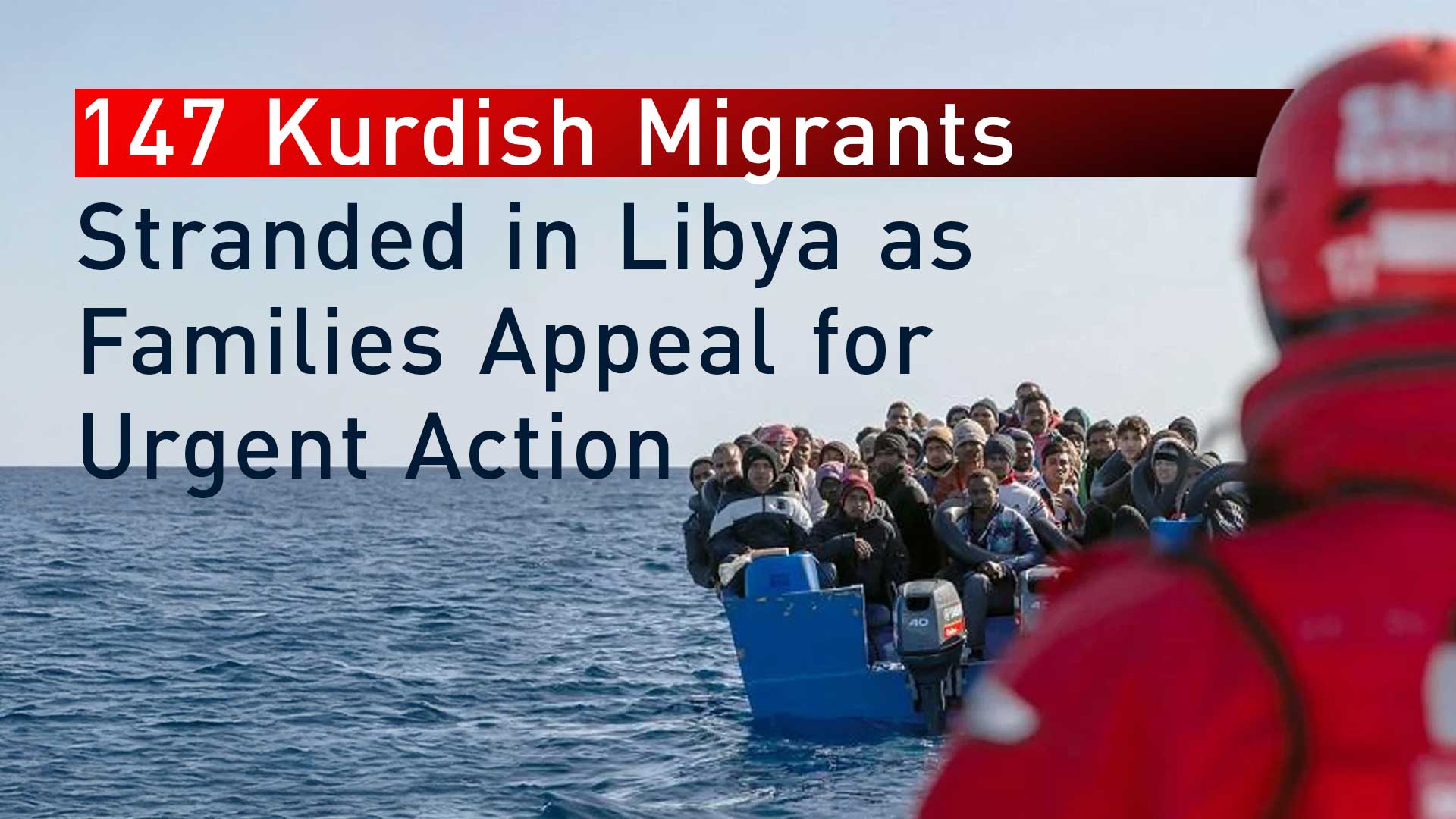
ERBIL (Kurdistan24) – At least 147 Kurdish migrants from the Raparin Independent Administration have been stranded in Libya for nearly six months, with their families warning that the group remains at serious risk amid worsening security and humanitarian conditions in the country.
Relatives say the migrants initially attempted to reach Europe through the perilous Libyan route but became trapped after the smuggler responsible for their journey failed to move them onward, citing the dangers of the route. Families allege the smuggler has also refused to facilitate their return to the Kurdistan Region and is now demanding an additional $3,500 from each migrant in exchange for their release.
According to the families, the smuggler—who is Kurdish and from the Raparin area—has effectively detained the migrants. They further claim he operates through agents and trusted associates inside the Raparin Independent Administration, asserting that their sons were sent through these intermediaries. The families have called on authorities to arrest those involved and take firm legal action against human smuggling networks.
The case comes amid sustained efforts by the Kurdistan Regional Government (KRG) to rescue and repatriate its citizens stranded in Libya, one of the world’s most dangerous migration corridors. On Nov. 7, 2025, the KRG announced the successful return of 25 Kurdish citizens who had been arrested and detained in Libya, less than two weeks after facilitating the repatriation of 40 others.
All recent repatriation operations have been fully funded and coordinated by the KRG, with returnees receiving medical examinations and assistance upon arrival at Erbil International Airport before being reunited with their families. Testimonies from previous returnees have described brutal beatings, starvation, and deadly medical neglect inside Libya’s detention centers.
International organizations and human rights groups have long documented widespread abuses in Libya’s migrant detention system, which operates amid ongoing political fragmentation and the dominance of armed groups and smuggling networks.
Against this backdrop, families of the 147 stranded migrants are urging the KRG to intervene urgently, citing the government’s recent successful repatriation efforts as a source of hope. They say swift action is needed to secure the migrants’ safety and bring them home before their situation deteriorates further.