Iraqi PM Urges European Repatriation of ISIS Detainees Following Transfer Operation from Syria
Iraqi PM Sudani urged French President Macron to ensure EU nations repatriate ISIS detainees transferred from Syria, as Iraq processes 7,000 prisoners weekly.
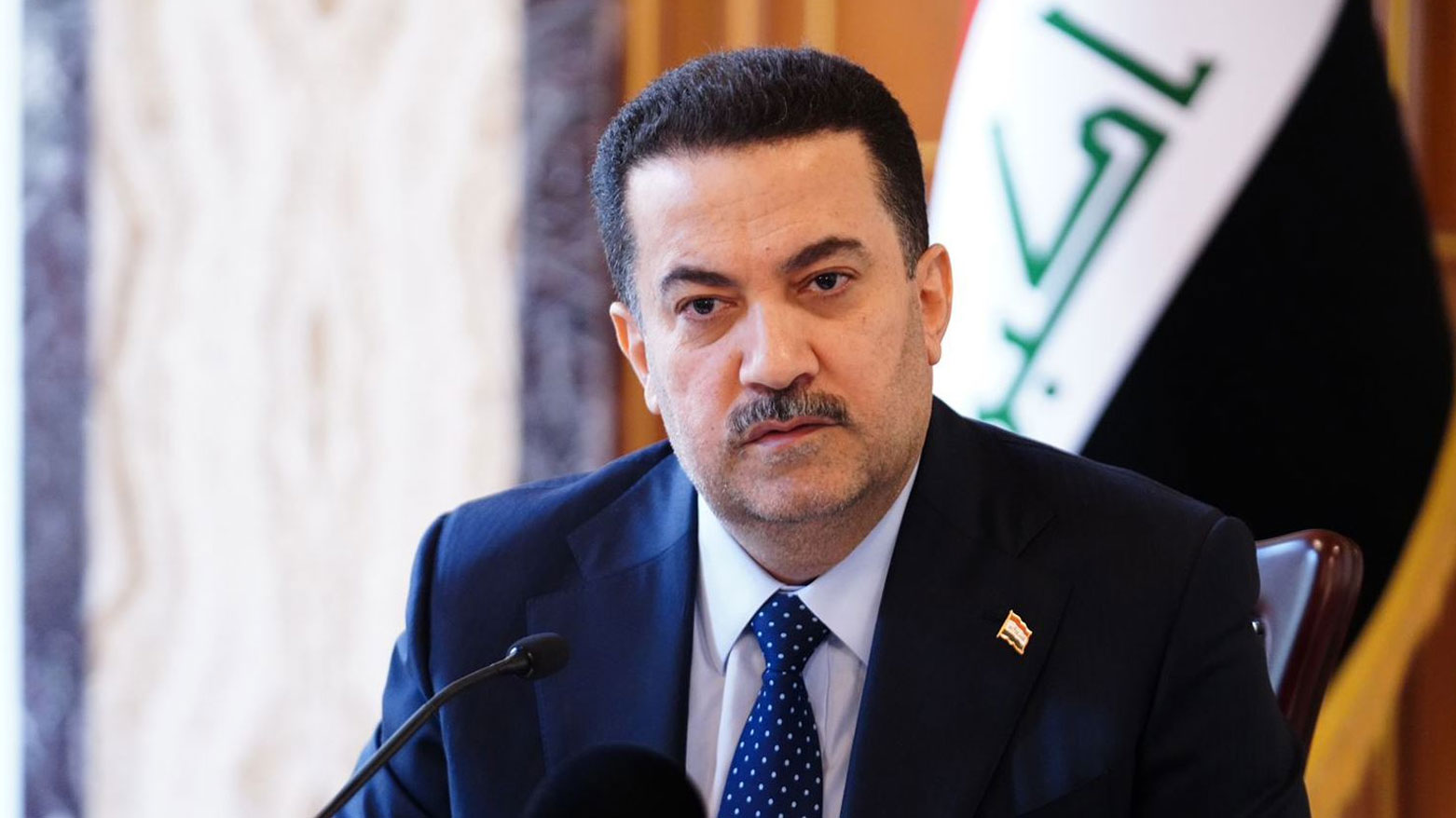
ERBIL(Kurdistan24) - Iraqi Prime Minister Mohammed Shia al-Sudani called on European nations to repatriate their nationals affiliated with the Islamic State (ISIS) on Friday, asserting that foreign governments must assume legal and logistical responsibility for detainees currently being transferred from Syria into Iraqi custody.
In a telephone conversation with French President Emmanuel Macron, Sudani emphasized the necessity for international cooperation regarding the disposition of thousands of foreign fighters and their families.
According to a report by Agence France-Presse (AFP), the Iraqi premier told Macron that European countries should take back IS detainees that were transferred from Syria to Iraq as part of a United States operation.
The diplomatic exchange on Friday followed a series of significant security and judicial developments in Baghdad earlier in the week, marking a new phase in the post-caliphate management of extremist detainees.
During the call, Sudani "stressed the importance of countries around the world, particularly European Union member states, assuming their responsibilities by receiving those individuals who hold their nationalities," according to a statement from his office cited by AFP. The Prime Minister further argued that these nations should be responsible for prosecuting the individuals within their own legal systems.
The urgency of Sudani’s appeal to the French President aligns with a rapidly expanding legal framework within Iraq designed to process the influx of detainees.
On Thursday, the Iraqi judiciary announced that it would launch legal proceedings against the Islamic State group detainees transferred from Syria. This judicial mobilization indicates Baghdad’s intent to formalize the status of these individuals quickly, even as it pressures Western allies to relieve the burden of housing foreign nationals.
Coordination with the United States
The push for European repatriation coincides with intensified coordination between Baghdad and Washington regarding the stability of the Syrian theater.
On Thursday, just a day prior to his conversation with Macron, Prime Minister Sudani received U.S. Special Envoy for Syria Tom Barrack in Baghdad to discuss the regional security architecture.
According to an official statement from the Iraqi Prime Minister's press office, the meeting focused on the evolving situation in Syria and the broader implications for Middle Eastern stability.
Sudani stressed to the American envoy that security and stability in Syria are vital not only for Iraq but for the wider region. He underscored the importance of preserving Syria’s territorial unity and preventing further instability that could spill across the porous border.
During these discussions, the officials laid the groundwork for strengthening cooperation in counterterrorism.
Barrack conveyed the gratitude of U.S. President Donald Trump for the Iraqi government’s efforts to promote regional stability.
The envoy praised Iraq’s role during what he described as a critical period for the Middle East, signaling Washington’s support for Baghdad’s management of the complex security challenges emanating from the Syrian conflict.
The dialogue between the Iraqi PM and the U.S. Envoy to Syria also extended beyond immediate security concerns, touching upon economic cooperation and sustainable development as essential components of lasting regional security.
However, the immediate focus remained on the operational realities of the detainee transfer, a process that is currently being implemented under strict security protocols.
Mass Transfer of Detainees
The scale of the operation to move detainees from Syria to Iraq is substantial, representing a major logistical undertaking for the Iraqi security apparatus.
The meeting with the U.S. envoy came amid this heightened regional security coordination, as Iraq moves forward with a comprehensive plan to transfer ISIS prisoners from Syria to secure detention facilities inside the country.
Data provided by Iraq’s Interior Ministry reveals the magnitude of the influx. Interior Ministry spokesperson Miqdad Miri confirmed that the transfer process is being implemented under strict security measures. According to Miri, approximately 7,000 ISIS prisoners are being transferred weekly.
The demographic breakdown of these transfers highlights the core of Sudani’s grievance with European powers. Of the approximately 7,000 individuals being moved across the border each week, around 5,000 are identified as foreign nationals, while only 2,000 are Iraqi citizens.
This disparity places a significant custodial burden on the Iraqi state for individuals who hold citizenship elsewhere, prompting the Prime Minister’s direct appeal to the European Union.
The detainees are being distributed among high-security prisons in several provinces to prevent concentration in a single location. The Interior Ministry specified that facilities in Nasiriyah, Hillah, and Nineveh provinces have been designated to receive the incoming prisoners.
Fortifying the Border
To safeguard the transfer process and prevent any security breaches or infiltration attempts during this sensitive operation, Iraqi authorities have established a robust defensive posture along the frontier with Syria.
The Interior Ministry detailed the establishment of three distinct defensive security lines designed to ensure the integrity of the border zone.
The first line of defense is overseen by the border guards, tasked with immediate surveillance and interdiction at the crossing points. The second line is manned by the Iraqi army, providing heavy support and depth to the defensive perimeter.
The third line is secured by the Popular Mobilization Forces (PMF), adding an additional layer of manpower and security infrastructure.
The Interior Ministry has characterized these measures as a reflection of Iraq’s broader commitment to counterterrorism, border protection, and regional security.
By maintaining these defensive lines, Baghdad aims to manage the risks associated with the movement of thousands of combat-hardened detainees while simultaneously preventing the movement of active insurgent cells between the two nations.
A Dual Track Strategy
The events of late January 2026 illustrate a dual-track strategy by the Iraqi government. On the operational track, Baghdad is working closely with the United States to secure the physical transfer of detainees, fortify its borders, and process individuals through its judicial system.
The sheer volume of transfers—7,000 per week—necessitates the rigorous security architecture described by the Interior Ministry and the continued support of the U.S. administration, as conveyed by Barrack.
On the diplomatic track, however, Sudani is leveraging these operational realities to apply pressure on European partners.
By highlighting the ratio of foreign to Iraqi detainees in his call with President Macron, the Iraqi Premier is signaling that while Iraq is willing to secure the region, it expects the international community, particularly the European Union, to share the legal and custodial burden for its own citizens.
The convergence of the judicial announcement on Thursday, the meeting with the U.S. envoy regarding regional stability, and the Friday phone call with the French President underscores the complexity of the issue.
As the Iraqi judiciary prepares to launch legal proceedings against the transferees, the question of whether European capitals will heed Baghdad's call to repatriate their nationals remains a central point of friction in the ongoing effort to resolve the legacy of the Islamic State's territorial defeat.