Kurdistan Region President Welcomes Syria–SDF Agreement as Step Toward Peace and Stability
“We welcome and support the agreement between the Syrian government and the SDF,” the president said, adding that dialogue and political solutions remain the only viable path toward lasting peace and stability for all the communities involved.
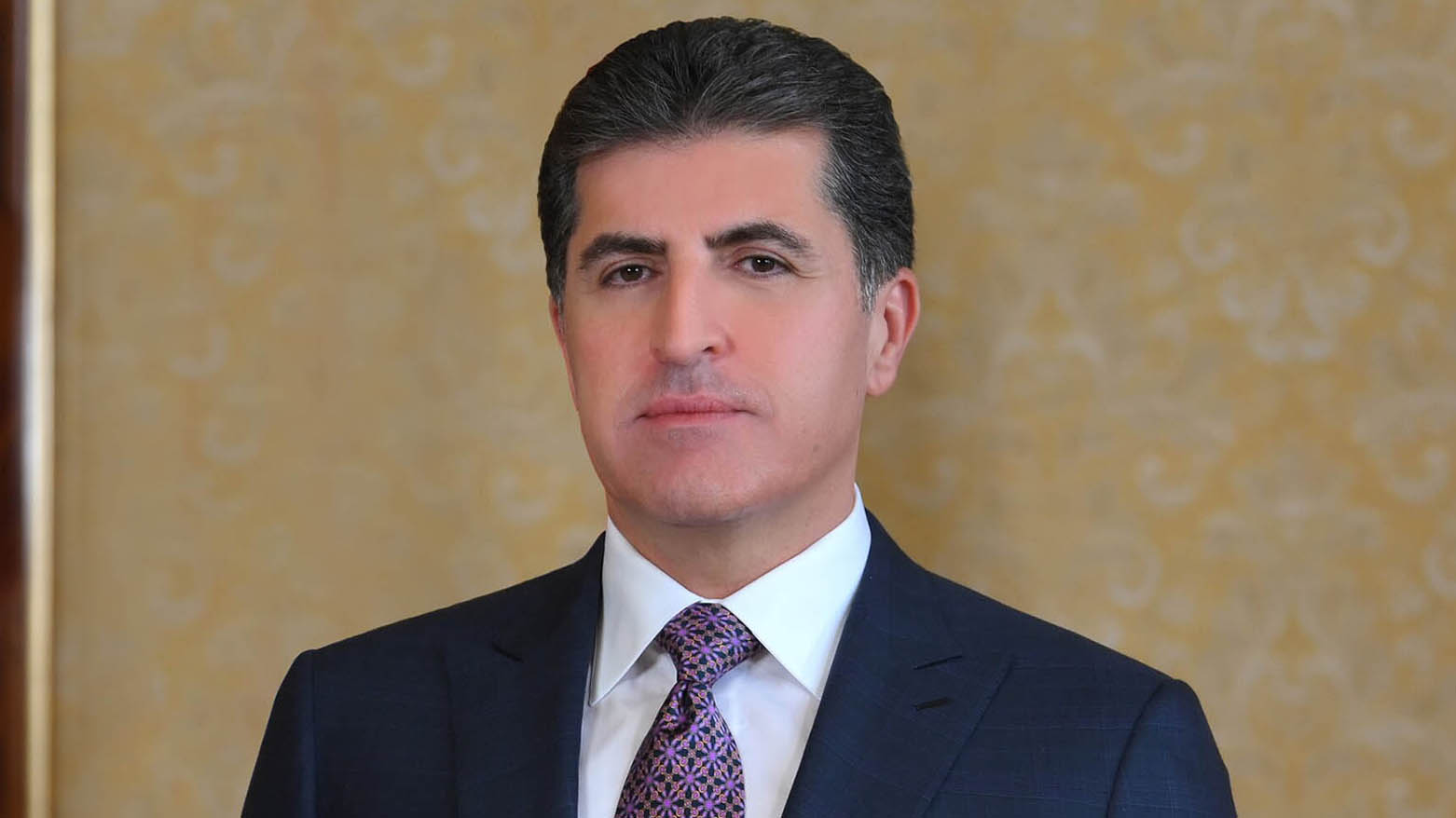
ERBIL (Kurdistan24) — Kurdistan Region President Nechirvan Barzani on Friday welcomed the agreement reached between the Syrian government and the Syrian Democratic Forces (SDF), describing it as a significant step toward ending the conflict and advancing stability and coexistence in Syria.
In a statement released by the Kurdistan Region Presidency, Barzani expressed support for the accord, which includes a ceasefire, integration of military and administrative institutions, protection of Kurdish civil and educational rights, and the facilitation of internally displaced persons (IDPs) returning to their homes.
“We welcome and support the agreement between the Syrian government and the SDF,” the president said, adding that dialogue and political solutions remain the only viable path toward lasting peace and stability for all the communities involved.
Barzani noted that the agreement could lay the groundwork for social peace and harmonious coexistence across Syria’s diverse communities, while also helping protect the rights of Kurds and other groups within a future Syrian constitutional framework.
He further expressed hope that the deal would contribute to rebuilding a unified Syria and bring broader peace to the region.
The SDF and the Syrian government recently reached a comprehensive accord aimed at ending hostilities and integrating military and administrative structures in Western Kurdistan (northeastern Syria).
According to details released by the SDF, the agreement establishes a full ceasefire and calls for military forces to withdraw from current frontlines, marking a major step toward stabilizing areas affected by years of conflict.
Under the security arrangements, Syrian Interior Ministry forces are expected to deploy in the centers of Hasakah and Qamishlo, while local internal security forces, known as Asayish, will gradually be integrated into the state security framework.
Militarially, the accord provides for the formation of a new division made up of three SDF brigades, along with a special brigade formed from Kobani forces, operating within the Aleppo province military structure.
The agreement also restructures civil governance, placing institutions linked to the Democratic Autonomous Administration of North and East Syria (DAANES) under official Syrian state authority, while civil servants are expected to continue their duties under the new system.
A key component of the deal includes guarantees for Kurdish civil and educational rights, as well as measures to support the safe return of internally displaced persons to their areas of origin.
Officials view the agreement as a significant political and security development that could reshape governance and strengthen stability in northeastern Syria while opening the door for reconstruction and renewed cooperation across Syrian territories.