International Consensus Welcomes Syria-SDF Agreement, Citing Hope for Ceasefire and Political Progress
The EU, UN, and several European states welcomed the Syria–SDF agreement, urging good-faith implementation, a full ceasefire, civilian protection, and steps toward stability and political transition.
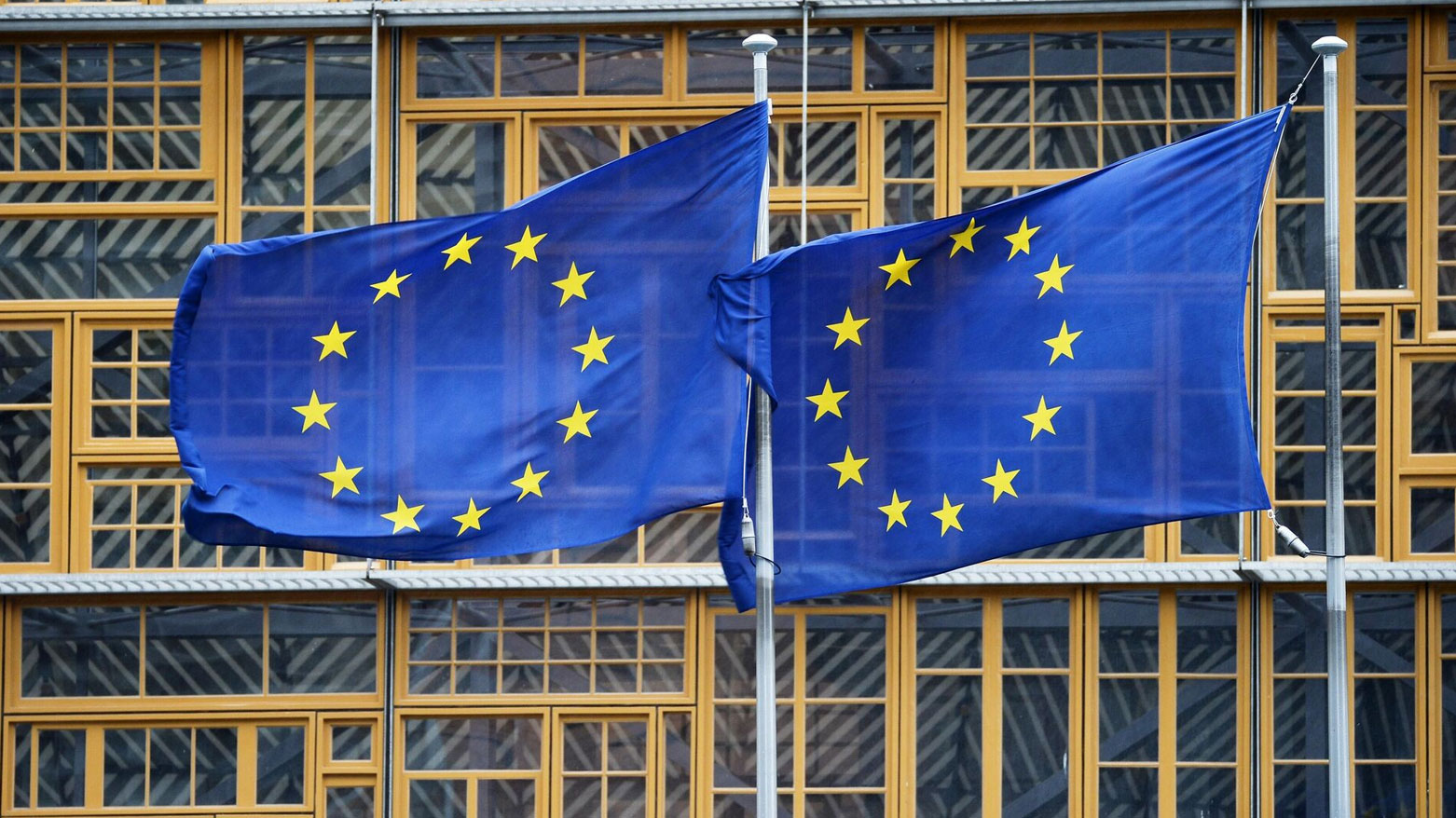
ERBIL (Kurdistan24) - The European Union, the United Nations, and several European governments on Friday welcomed the agreement reached between the Syrian government and the Syrian Democratic Forces (SDF), describing it as a critical step toward stability, civilian protection, and a broader political transition in Syria.
The European Union said it welcomes the agreement between Damascus and the SDF and called for its implementation in a spirit of good faith and consensus. EU spokesperson for foreign affairs and security policy Anouar El Anouni said in a statement published on the bloc’s official website that a full ceasefire is essential to enable humanitarian assistance, protect civilians, and allow the return of internally displaced persons. He stressed that stability in northeast Syria is vital for the success of a comprehensive political transition in Syria and for safeguarding the rights of the Syrian people.
El Anouni affirmed the European Union’s full readiness to support the implementation of the agreement, urging all parties to ensure the security of camps and detention centers and to work to prevent the resurgence of ISIS.
Separately, the spokesperson for the United Nations Secretary-General said that António Guterres welcomes the agreement between the Syrian government and the SDF and called on all parties to guarantee its full and effective implementation.
The Netherlands also welcomed the agreement, describing it as an important step toward Syria’s unity and stability. Dutch Foreign Minister David van Weel said in a post on X: “I welcome the agreement between the Syrian government and the Syrian Democratic Forces, as a permanent ceasefire, alongside commitments related to integration, the rights of Syrian Kurds, and the return of displaced persons, represents an important step toward a stable and unified Syria.”
Switzerland issued a similar statement, welcoming the agreement and emphasizing its contribution to Syria’s stability. The Swiss Foreign Ministry said in a post on X that the agreement provides an important framework for a ceasefire and for advancing a comprehensive political transition, encouraging continued efforts toward building a state for all Syrians.
Spain also welcomed the agreement, with the Spanish Foreign Ministry saying in a statement published on its official website that the deal represents an essential step toward enhancing prospects for stability in the country. The ministry said the agreement paves the way for a definitive cessation of hostilities and improves access for humanitarian assistance to affected populations.
The international reactions come as the agreement between the Syrian Democratic Forces and Damascus enters its implementation phase. In a detailed briefing, SDF Commander Mazloum Abdi outlined firm security and administrative red lines governing the deal. Abdi said the agreement prevents the marginalization of Kurdish communities and ensures that Syrian army forces will not be stationed in Kurdish cities, including Kobani and the Jazira region.
Abdi stressed that security and defense in Kurdish areas will remain under exclusive SDF control, with any coordination with the Syrian army limited to national-level strategic matters and specific integration tasks in Hasakah and Qamishli. He said governance in Kurdish regions will remain in the hands of local residents and that existing institutions will continue operating as established.
He confirmed that a limited number of Syrian army personnel were allowed to enter Hasakah and Qamishli solely to facilitate the integration process, without authority to assume control. Abdi also said the agreement protects the distinct political, administrative, military, educational, and cultural character of Kurdish areas, acknowledging that while it does not fully meet all aspirations, it represents a necessary step under current circumstances.
As international support coalesces around the Syria–SDF agreement, attention now turns to its implementation, with global and regional actors emphasizing that sustained stability, civilian protection, and political progress depend on adherence to its terms.