Iranian FM Signals Firm Stance Ahead of Planned Nuclear Talks with U.S. in Oman
Araghchi said Iran is entering the diplomatic process “with open eyes and a steady memory of the past year,” stressing that Tehran is engaging in good faith while remaining firm on its rights.
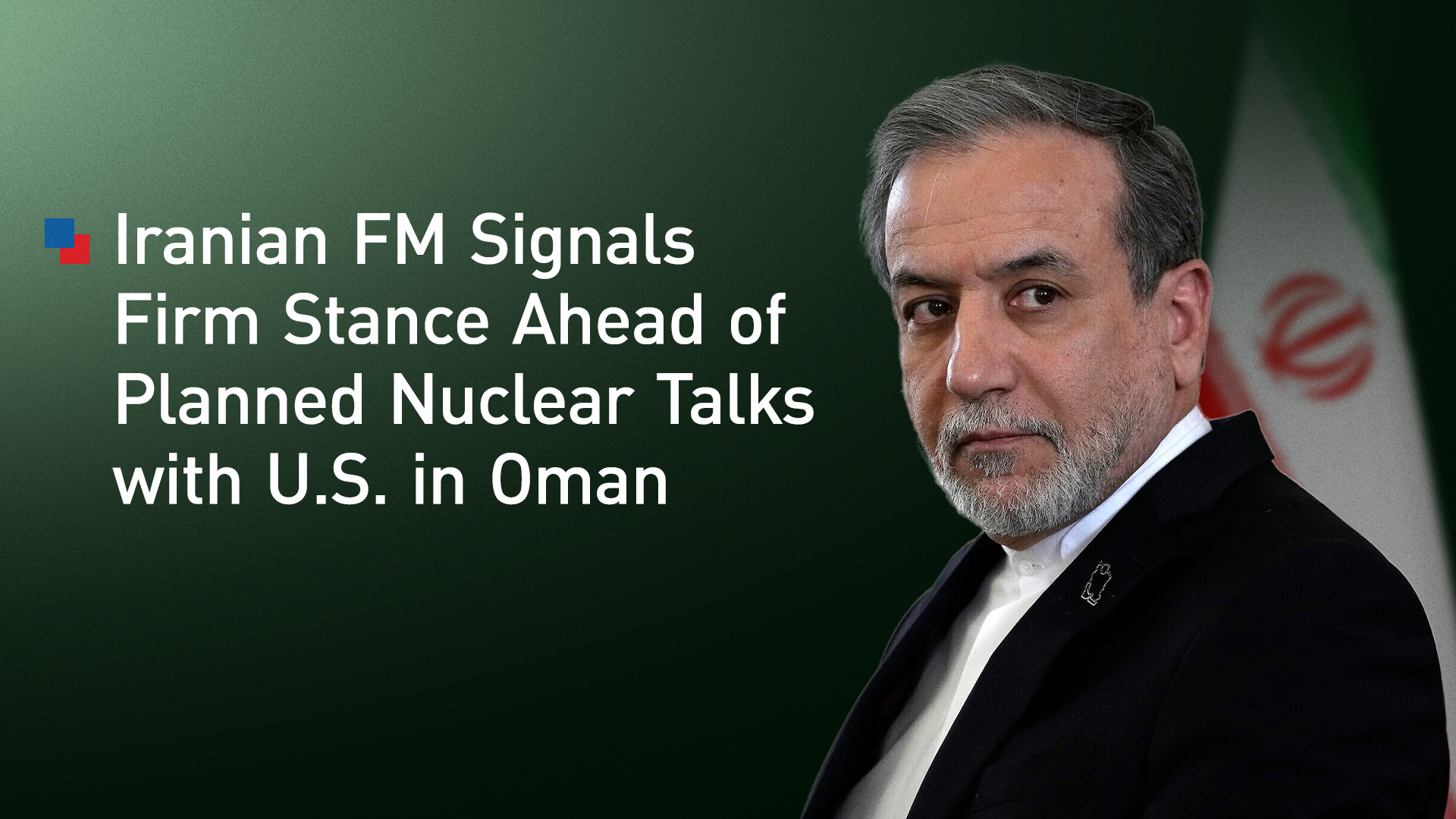
ERBIL (Kurdistan24) – Iranian Foreign Minister Abbas Araghchi on Friday emphasized Tehran’s commitment to diplomacy while underscoring its determination to safeguard national interests, as indirect nuclear negotiations with the United States are set to take place in Muscat, Oman.
In a statement posted on X, Araghchi said Iran is entering the diplomatic process “with open eyes and a steady memory of the past year,” stressing that Tehran is engaging in good faith while remaining firm on its rights. He added that commitments must be honored and that “equal standing, mutual respect and mutual interest are not rhetoric—they are a must and the pillars of a durable agreement.”
The remarks come days after Araghchi confirmed that nuclear talks between Iran and the United States are scheduled to begin at around 10 a.m. on Friday in the Omani capital. He expressed appreciation to Oman for facilitating the meeting, thanking Muscat for making the necessary arrangements.
The announcement followed reports of uncertainty surrounding the discussions. On Wednesday, Axios reported that the negotiations were at risk of collapsing after U.S. officials reportedly declined to change the location or format of the talks. Despite those concerns, Iranian media indicated that indirect negotiations would proceed in Muscat, signaling a renewed diplomatic effort to ease longstanding tensions over Iran’s nuclear program.
According to Iran’s Tasnim news agency, the talks are expected to focus exclusively on Iran’s nuclear activities and the potential lifting of sanctions. Iranian officials have stressed that discussions will not address Tehran’s ballistic missile program or its defense capabilities.
The United States has long opposed Iran’s nuclear program, arguing it could lead to the development of nuclear weapons, while Iran maintains that its nuclear activities are strictly peaceful and intended for civilian use. Washington has also sought to curb Iran’s missile program, a demand Tehran has consistently rejected.
The planned meeting follows several rounds of indirect negotiations held in Oman and Italy in April and May last year. Those talks ended after five rounds when a 12-day Israeli attack on Iran disrupted diplomatic momentum.
Despite ongoing uncertainties, confirmation of the Muscat talks has raised cautious expectations that diplomatic channels between Tehran and Washington may reopen after months of heightened regional tensions.