KRG Pays Over 11 Billion Dinars a Month for Medicine Amid Healthcare Funding Crisis
KRG Health Minister Saman Barzanji says the Region spends over 11.2 billion dinars monthly on medicine as Baghdad supplies only 41 percent of needs, warning disputed census figures could harm healthcare rights and the 2026 budget.
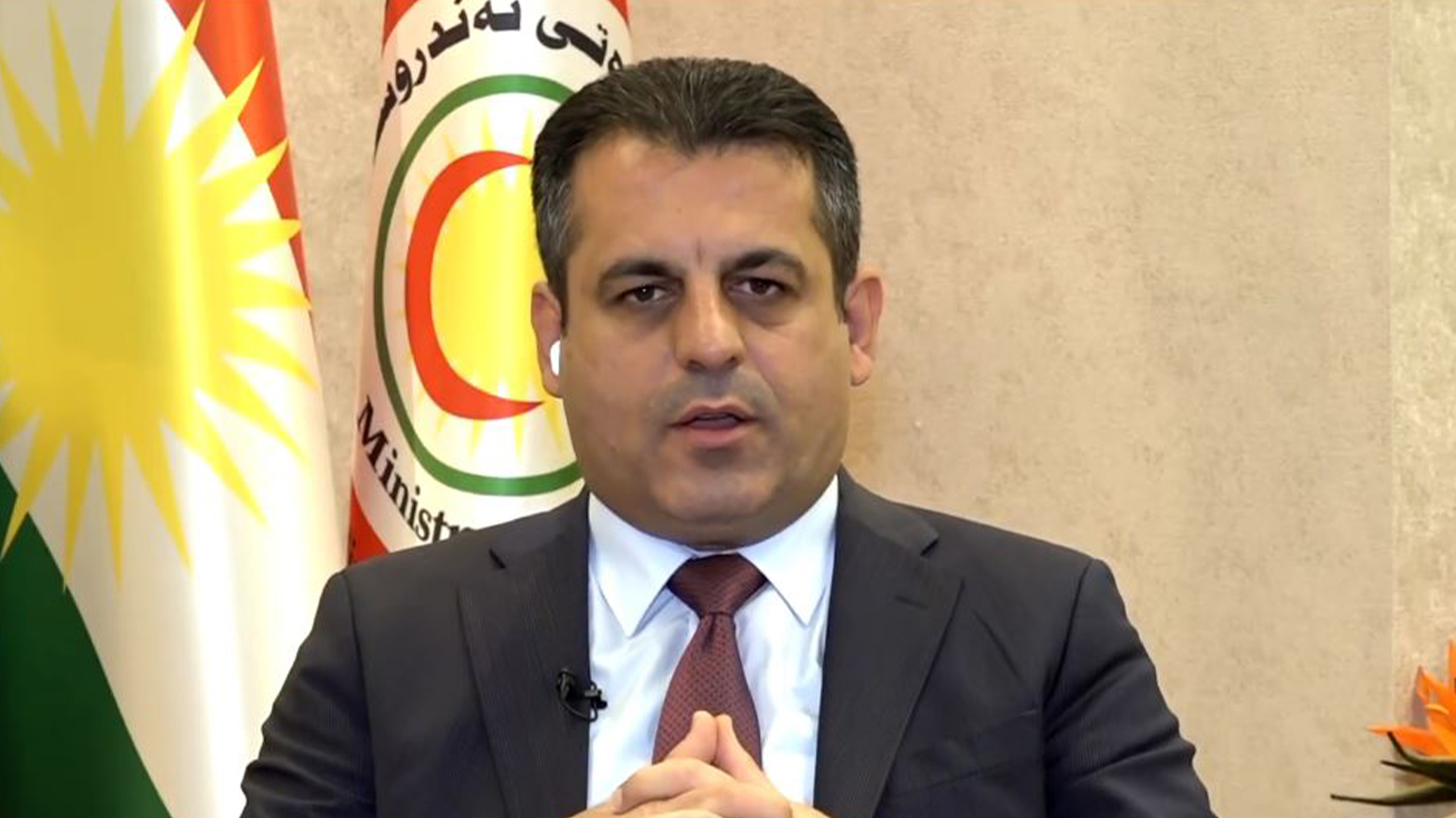
ERBIL (Kurdistan24) - On Wednesday, Dr. Saman Barzanji, Minister of Health of the Kurdistan Regional Government, told Kurdistan24 that the Kurdistan Region formally rejects the results of Iraq’s general population census, warning that the figures could lead to the erosion of the healthcare rights of its citizens.
Barzanji said Iraq’s Ministry of Planning failed to adhere to the agreements and decisions previously reached between Erbil and Baghdad, particularly regarding the disputed territories under Article 140 and the exclusion of displaced people from being counted against the Kurdistan Region’s share.
He said: “This census is a major injustice, and we suspect the process has been politicized, because it will have a direct negative impact on the 2026 budget and on public services.”
Baghdad provides only 41 percent of medicines
Addressing the shortage of medicine, Barzanji revealed that the federal government supplies only 41 percent of the Kurdistan Region’s pharmaceutical needs. To bridge this major gap, and under an order from Masrour Barzani, Prime Minister of the Kurdistan Regional Government, the Region spends 11 billion and 200 million Iraqi dinars every month to purchase medicine and medical supplies.
The minister clarified that this expenditure is not limited to general medicines, but also covers cancer treatments, heart disease medications, and the repair of medical equipment—items that Baghdad is supposed to provide under the framework of the “sovereign budget.”
Pressure on the Kurdistan Region’s health sector
In another part of his remarks, Barzanji stressed that the Kurdistan Region currently provides healthcare services to more than one million and 200 thousand displaced persons and refugees. He added that large numbers of citizens from other Iraqi provinces travel daily to the Region’s hospitals for treatment, placing heavy pressure on the Region’s budget and medicine supplies, without corresponding federal support.
Barzanji called for the healthcare rights of citizens not to be sacrificed to political disputes and urged that the full financial entitlements of the Kurdistan Region’s health sector be secured in the upcoming budget.
As medical costs rise and political tensions harden, the Kurdistan Region’s health system stands at the crossroads of finance and fairness, where every figure carries consequences for patients’ lives.