Ahmed al-Sharaa Issues General Amnesty for Prisoners and Wanted Individuals in Syria
Syrian President Ahmed al-Sharaa issued a general amnesty for crimes committed before Feb. 17, excluding torture and major offenses, a day after SDF commander Mazloum Abdi announced a separate amnesty in Western Kurdistan.
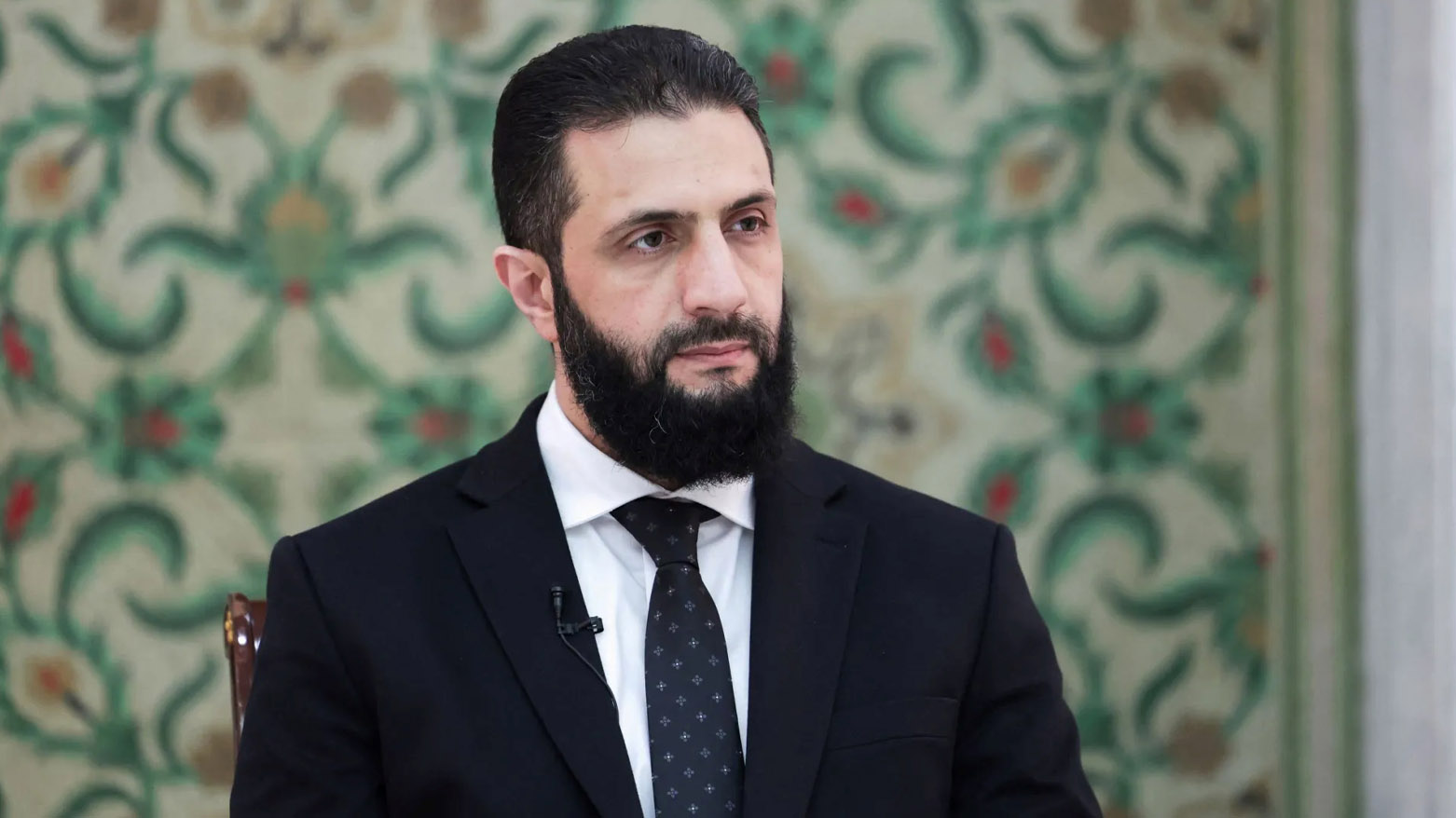
ERBIL (Kurdistan24) - Syrian President Ahmed al-Sharaa has issued a legislative decree granting a general amnesty for prisoners and wanted individuals in Syria, covering crimes committed before Feb. 17, 2026.
On Wednesday, al-Sharaa signed Legislative Decree No. 39 of 2026, which provides full and partial pardons for a range of penalties, including misdemeanors and certain felonies.
According to the five-page decree, full amnesty applies to all misdemeanor penalties and violations, as well as several specified crimes, including smuggling, foreign currency offenses, and certain consumer protection-related crimes.
The decree stipulates conditional amnesty for kidnapping offenses, provided that perpetrators release abducted individuals without ransom and without causing physical harm, or surrender them to the relevant authorities within one month of the decree’s issuance.
Individuals in possession of unlicensed weapons are granted a three-month period to surrender their arms in order to benefit from the amnesty.
Those who have escaped from prisons or are currently wanted by authorities are given a 60-day window to surrender themselves to security authorities or the public prosecution to qualify for the pardon.
The decree emphasizes that the amnesty applies only to public penalties and does not nullify personal rights or compensation claims owed to victims, which must be settled separately.
Excluded from the amnesty are serious and sensitive crimes, including torture, human trafficking, and major violations classified as crimes against the Syrian people. Offenses such as prostitution-related crimes, exam fraud, and cases adjudicated by the Supreme Judicial Council are also excluded.
The Minister of Justice has been tasked with forming a medical committee to examine applicants seeking amnesty on health grounds. All applications must be submitted within two months to the Public Prosecution Office or prison administrations.
The decree enters into force upon publication in the official gazette, with all relevant authorities obligated to implement its provisions.
The announcement comes one day after Mazloum Abdi, Commander-in-Chief of the Syrian Democratic Forces (SDF), declared a separate general amnesty for prisoners in areas under SDF control in Western Kurdistan.
Speaking at a large public gathering in Hasakah, Abdi stated that the “phase of war has ended” and that the region is entering a period of stability and coexistence. He said detainees held during recent fighting would also be released.
Abdi described the Jan. 29 agreement as a roadmap for institutional integration, noting that the SDF would be reorganized under the umbrella of the Syrian Ministry of Defense while maintaining protections for fighters and commanders.
He also said existing security structures and Asayish forces would continue operating under the Ministry of Interior framework, and that integration of institutions has already begun, with employees and officials remaining in their posts within a new administrative structure.
Framing the amnesty as part of a broader transition from conflict to stability, Abdi presented the decision as a step toward reconciliation, institutional integration, and long-term security.