Maliki’s Candidacy Deepens Shiite Rift as U.S. Sets Deadline for Withdrawal: Sources
Coordination Framework Divided; Fatah Insists Maliki Remains Sole Official Nominee
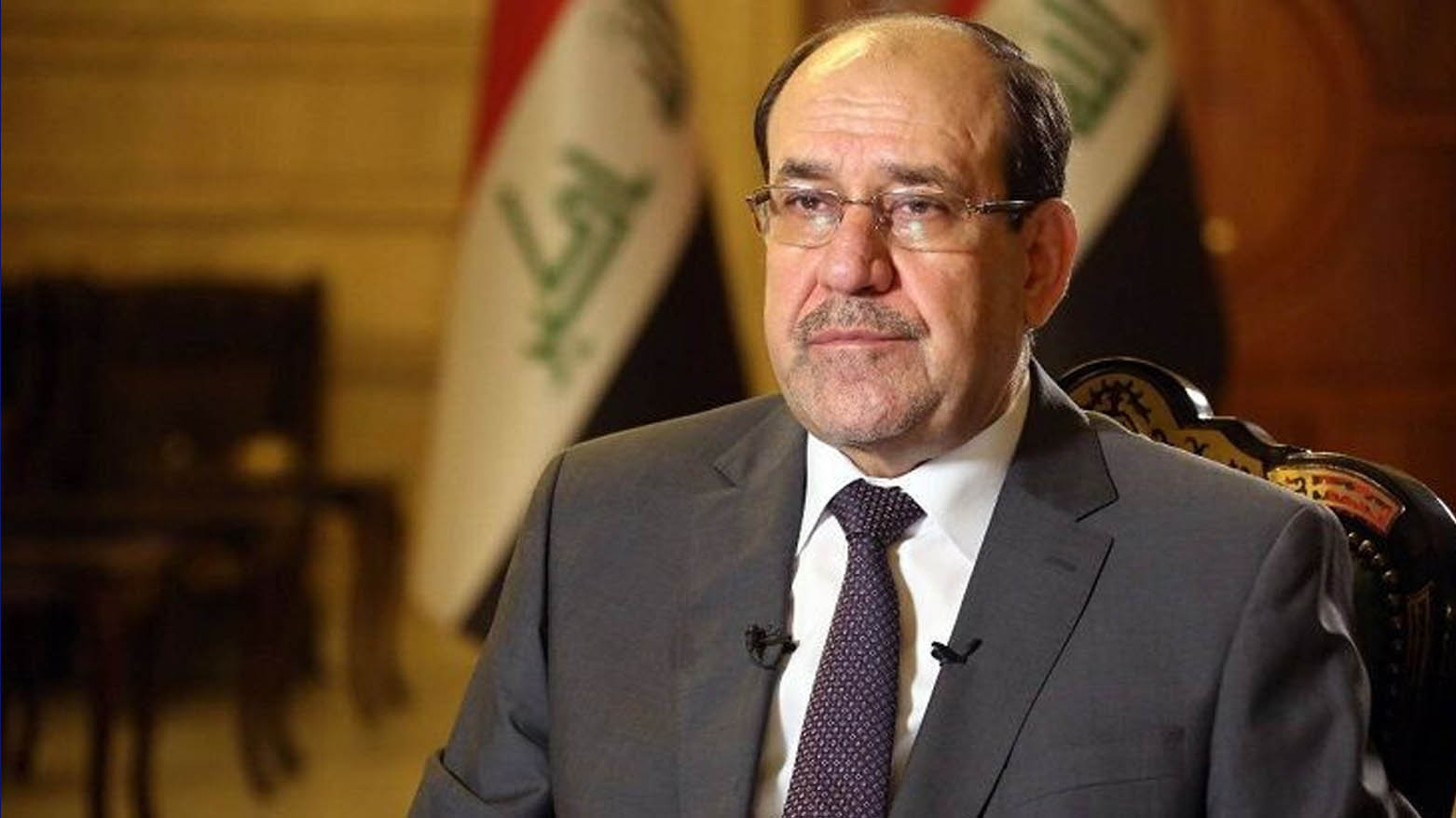
ERBIL (Kurdistan24) — Disagreements over the candidacy of Nouri al-Maliki have paralyzed recent meetings of Iraq’s Shiite-led Coordination Framework, with one leader from the National al-Hikma Movement claiming that the United States has set a deadline for Maliki to withdraw.
On Saturday, Fahd al-Jibouri, a leader within the al-Hikma movement, told Kurdistan24 that Washington has “clearly delivered a final deadline” to Maliki and Shiite factions, requiring him to step aside by Sunday.
Al-Jibouri predicted that the Coordination Framework would convene before the deadline expires to reach a decisive resolution. He suggested that the most likely outcome would be Maliki’s withdrawal and the nomination of an alternative candidate for the post of prime minister.
He attributed the Framework’s failure to hold regular meetings in the past week to deep internal divisions and conflicting views among Shiite leaders regarding whether to maintain Maliki’s candidacy or replace him.
Instead of full leadership gatherings, he said, smaller bilateral and trilateral meetings are currently being held in an attempt to find a compromise before the deadline.
However, a senior figure from the Fatah Alliance offered a contrasting position, insisting that Maliki remains the Coordination Framework’s sole official nominee for prime minister.
Mahmoud al-Hayani, a Fatah leader, on Saturday told Kurdistan24 that the Framework is expected to meet in the coming days and that Maliki continues to be the only formally endorsed candidate.
He argued that Iraq is entering a critical phase marked by new challenges and developments, requiring what he described as a “strong personality” to lead the government.
“Maliki has not withdrawn and remains determined to assume the premiership,” al-Hayani said, while adding that Maliki has expressed willingness to comply if the Coordination Framework formally requests his withdrawal.
Regarding potential alternatives, al-Hayani confirmed that names such as Abu Ali al-Basri, Hamid al-Shatri, and Saleh al-Hasnawi have been discussed as possible substitutes, though priority remains with Maliki.
Addressing reports that the administration of U.S. President Donald Trump might veto Maliki’s return, al-Hayani dismissed what he described as unilateral statements attributed to Trump.
“We do not consider these messages an official U.S. government position unless they are formally communicated through Congress,” he said. However, he noted that if Tom Barrack, the "U.S. representative to Iraq," were to formally declare a veto, it would then be regarded as an official American stance.
Al-Hayani also expressed support for Fuad Hussein as a candidate for Iraq’s presidency, arguing that a leadership combination of Maliki as prime minister and Hussein as president would be suitable for the country’s next phase.
He praised Hussein’s tenure as foreign minister, highlighting his ability to build strong relations with neighboring countries, major powers, Europe, the United States, and Asia.
The competing narratives reflect intensifying political maneuvering within Iraq’s Shiite political bloc at a sensitive juncture. The Coordination Framework—an alliance of primarily Shiite parties formed after the 2021 parliamentary elections—has played a decisive role in government formation.
Any internal fragmentation within the bloc could significantly reshape Iraq’s executive leadership and its balance of relations with both Washington and Tehran.
The unfolding debate also underscores the broader geopolitical dimension of Iraq’s premiership selection, as Baghdad continues to navigate complex ties with the United States and Iran while facing domestic security, economic, and governance challenges.