US Mediates Negotiations Between Syrian Government and Druze Leadership for Detainee Exchange
U.S.-mediated negotiations are underway between Druze cleric Hikmat al-Hijri and Damascus to exchange detainees following July’s deadly violence in Sweida.
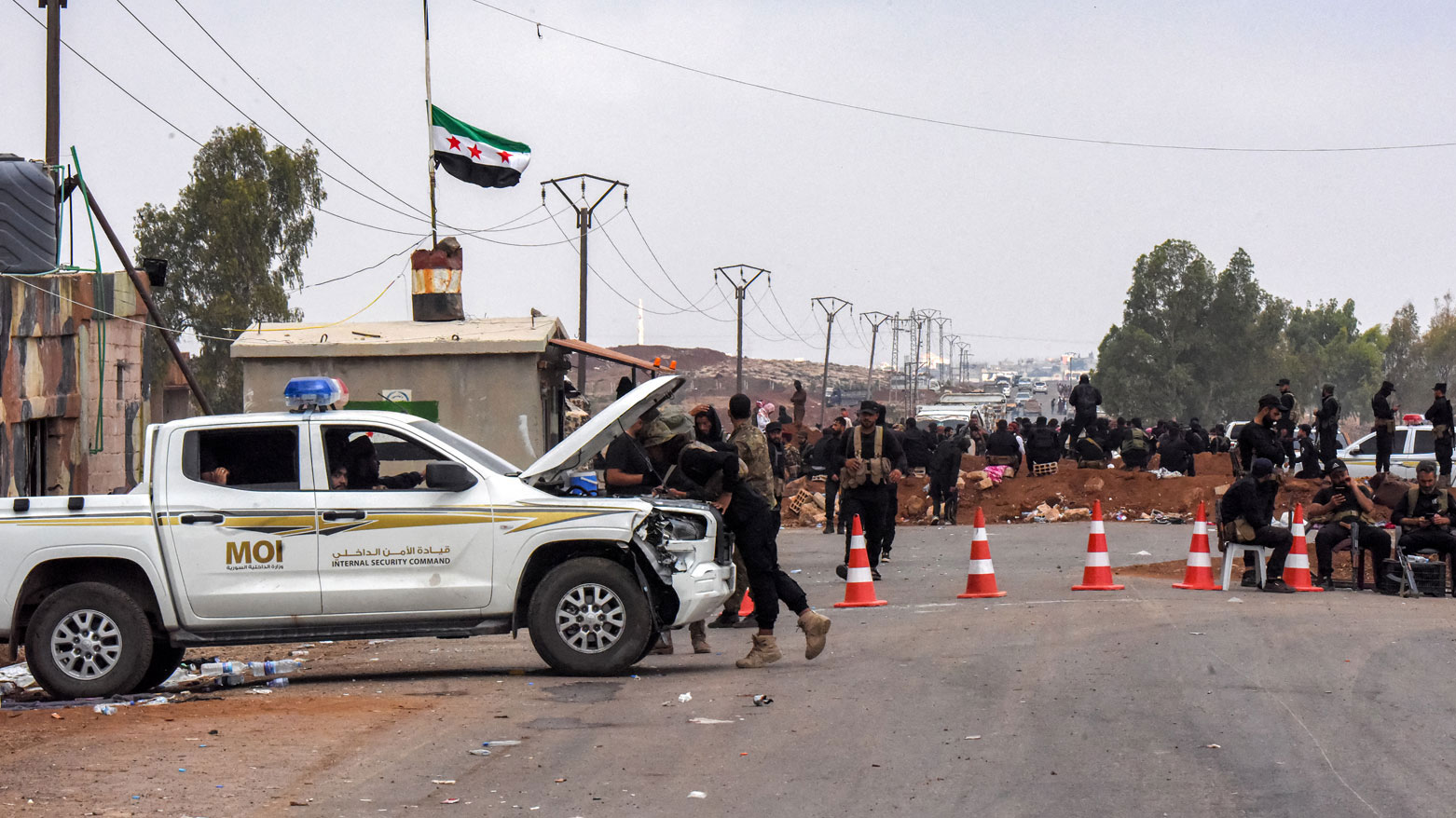
ERBIL (Kurdistan24) - The United States is mediating negotiations between a senior Druze religious authority in Sweida and the Syrian government over a detainee exchange linked to last summer’s deadly violence in southern Syria, a Druze source familiar with the talks said.
According to the source, who requested anonymity, “there are currently U.S.-mediated negotiations between Sheikh Hikmat al-Hijri and the government in Damascus focused solely on the file of detainees and prisoners.”
Sweida province, a stronghold of Syria’s Druze minority, witnessed a week of clashes beginning July 13 between Druze gunmen and Bedouin fighters. The violence escalated after the intervention of government forces and armed tribal fighters siding with the Bedouins.
The mediation aims to secure the release of 61 civilians from Sweida currently held in Adra Prison since the July events, in exchange for the release of 30 personnel from Syria’s Ministries of Defense and Interior detained by the National Guard operating under al-Hijri’s authority, the source said.
According to the Syrian Observatory for Human Rights, more than 2,000 people were killed in the violence, including 789 Druze civilians.
Witnesses and rights groups reported violations and summary executions targeting members of the Druze minority during the unrest.
A ceasefire was reached on July 20, but tensions have persisted, and access to Sweida remains difficult. Residents accuse Damascus of imposing a siege on the province, where tens of thousands remain displaced—an allegation the government denies. Several aid convoys have entered the area since then.
In August, dozens of small factions united under the banner of the “National Guard” to consolidate military efforts under al-Hijri, considered one of the most hardline Druze authorities regarding relations with Damascus. A segment of fighters from Rijal al-Karama, one of Sweida’s most prominent armed groups, also joined the formation.
Since then, al-Hijri has called for a separate region to protect the Druze community and established de facto authorities controlling Sweida city and surrounding towns, areas that remain outside government control.
During the violence, Israel carried out strikes near the presidential palace and on the General Staff headquarters in Damascus, repeatedly pledging to protect the Druze minority.
The outcome of the U.S.-brokered negotiations could mark a significant step toward de-escalation in a province that remains volatile months after the bloodshed.